Diji Aderogba stands at the intersection of narrative filmmaking and street photography, a creative hybrid whose work continually negotiates the relationship between movement, memory, and the everyday. Of course, we encountered him as a filmmaker, but Aderogba has also cultivated a distinct visual voice in photography, one that resonates with the flâneur’s gaze, observant, unscripted, and rooted in the worlds he passes through with a camera in hand. Born in Abeokuta, Ogun State, Aderogba’s creative instincts were shaped early by a fascination with stories and the mechanics of storytelling. As a child, he found himself asking how films were made, lingering on the choices behind camera positions, edits, and performances, a curiosity that would eventually pull him toward filmmaking. This early cinematic interest grew into a multifaceted career. After studying and training under veteran filmmaker Tunde Kelani at the Mainframe Film and Media Institute, Aderogba emerged as a storyteller deeply invested in narratives that reflect social realities, emotional nuance, and human complexity. His documentary Hidden Euphoria received a nomination for Best Documentary at the Africa Magic Viewers’ Choice Awards, while his feature film About a Boy won the Audience Choice Award at the Nollywood Week Film Festival in Paris, affirming his ability to connect with audiences across geographies. His directorial range expanded further with the Showmax original series Ghana Jollof, a project that combined humour, cultural observation, and character-driven storytelling. Across these works, Aderogba has consistently demonstrated a sensitivity to everyday life and an interest in how ordinary moments can reveal larger truths. Beyond film sets and scripted environments, however, exists another mode of seeing that defines his practice. Photography, for Aderogba, operates as a parallel language, one grounded in presence, walking, and observation. Based in London, he returned to photography as a daily ritual, moving through streets with a camera and allowing moments to present themselves without premeditation. This approach echoes the classic idea of the flâneur, a figure who navigates urban life attentively, absorbing its rhythms, gestures, and chance encounters.
His photographic images reflect this sensibility. Whether documenting people, spaces, or fleeting interactions, Aderogba’s photographs are attentive to colour, skin, light, and proximity. They resist spectacle, opting instead for intimacy and restraint. The images feel less like statements and more like pauses, moments caught mid-breath, anchored in lived experience rather than performance. There is a clear dialogue between Aderogba’s film and photographic work. Both practices rely on attentiveness, patience, and an openness to what unfolds naturally. In film, this manifests through narrative arcs and character development. In photography, it appears through framing, timing, and an awareness of one’s own presence within a space. Together, they form a cohesive visual philosophy rooted in observation and empathy. Diji Aderogba’s work ultimately invites viewers to slow down and look closely. Whether on screen or on the street, his images suggest that meaning often resides in movement, in passing moments, and in the quiet interactions that define everyday life. Through his lens, photography becomes not only a tool for documentation but a method of remembering, witnessing, and belonging. In this article, together with Random Photo Journal, Diji Aderogba is exploring through Marrakesh, Morocco.
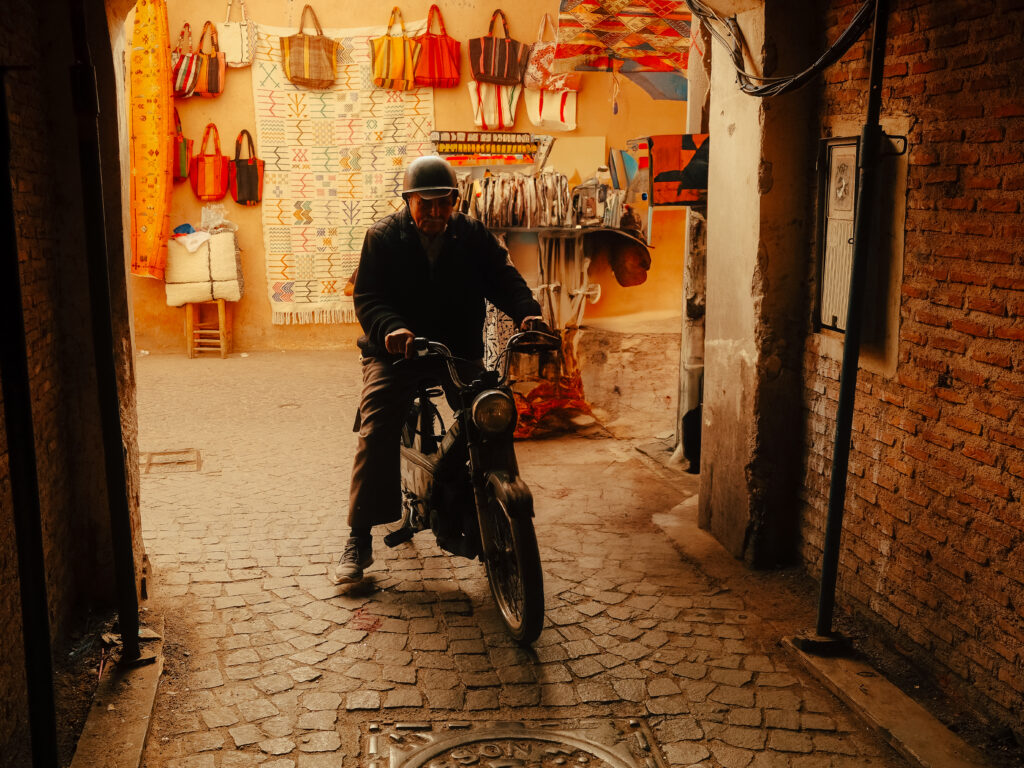
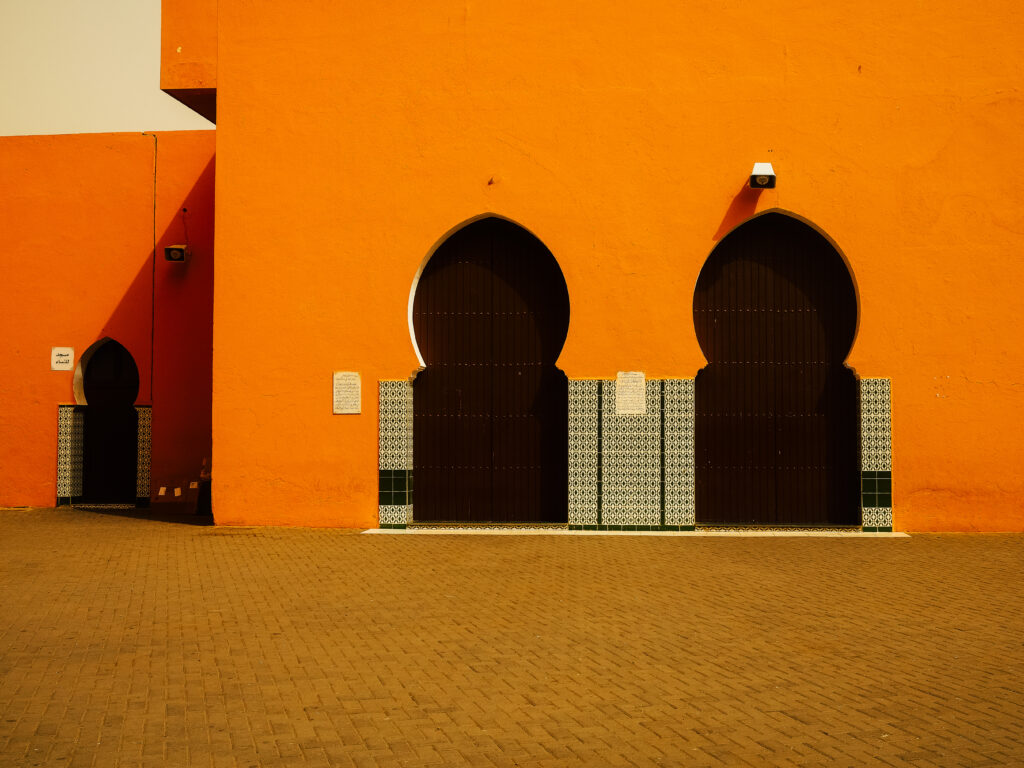
Orange recurs consistently across your images. At what point in your process does that decision happen, at capture, in post, or subconsciously through selection, and what are you correcting for or emphasising when you let that colour dominate?
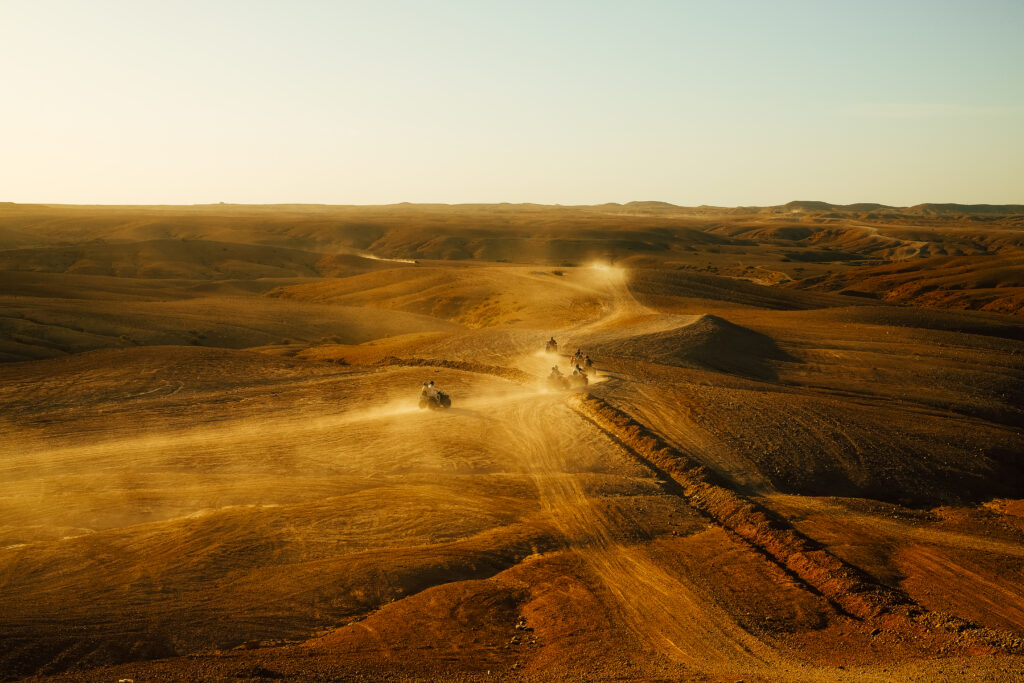
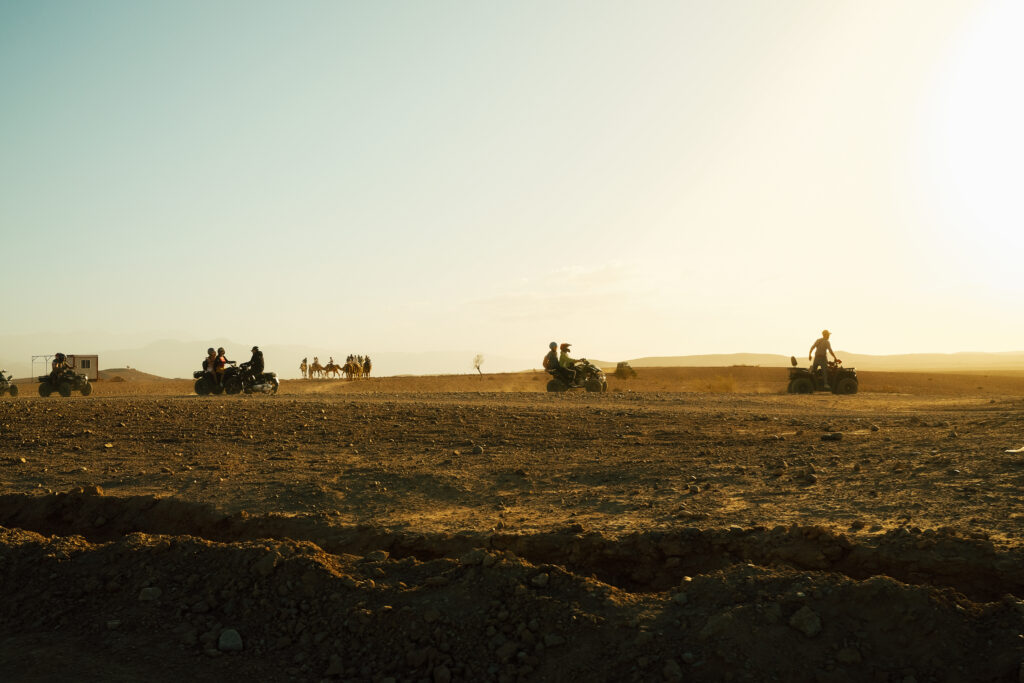
I love this orange/yellow color in my photographs — some people call it warm lol, but really, it’s just a preference during capture and post-production. Sometimes, it’s just subconscious because my mind and eyes see orange. Just like the way I love to capture the colors red, blue, and green when I’m out taking photos. When I got to Marrakech, almost everywhere had a touch of yellow and orange, so it was easy to just focus on these colors. And to be honest, I didn’t really do intense editing because the color was already there to work with. In other news, it’s everything that made the color consistent.
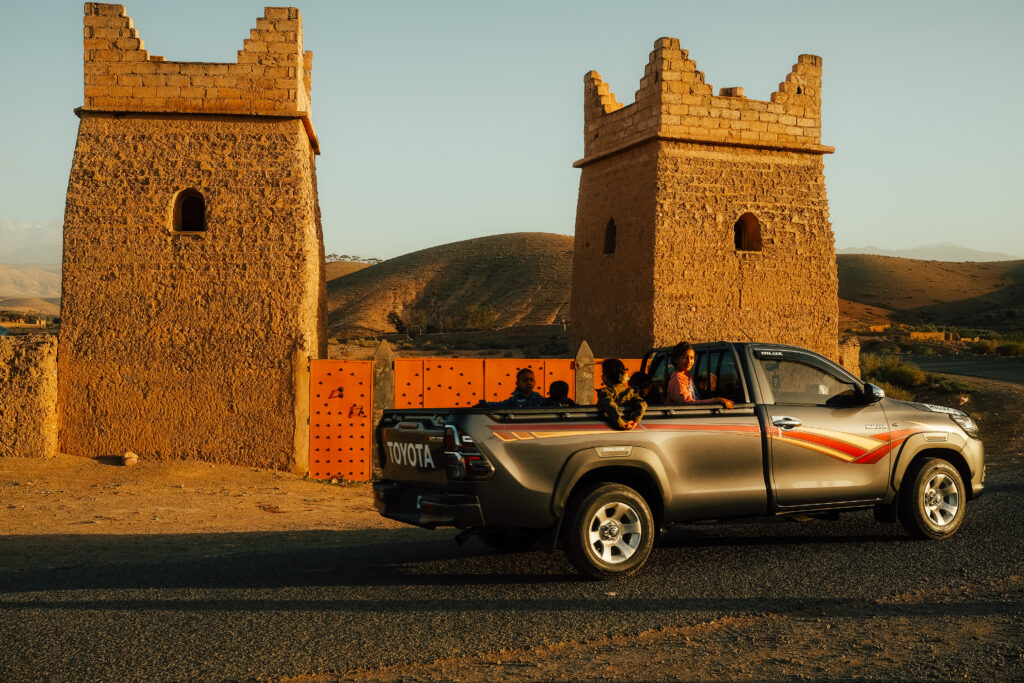
When you take your camera out into the street, what is the first thing that catches your eye: colour, gesture, contrast, or something else, and how does that instinct shape the way you walk within a space?
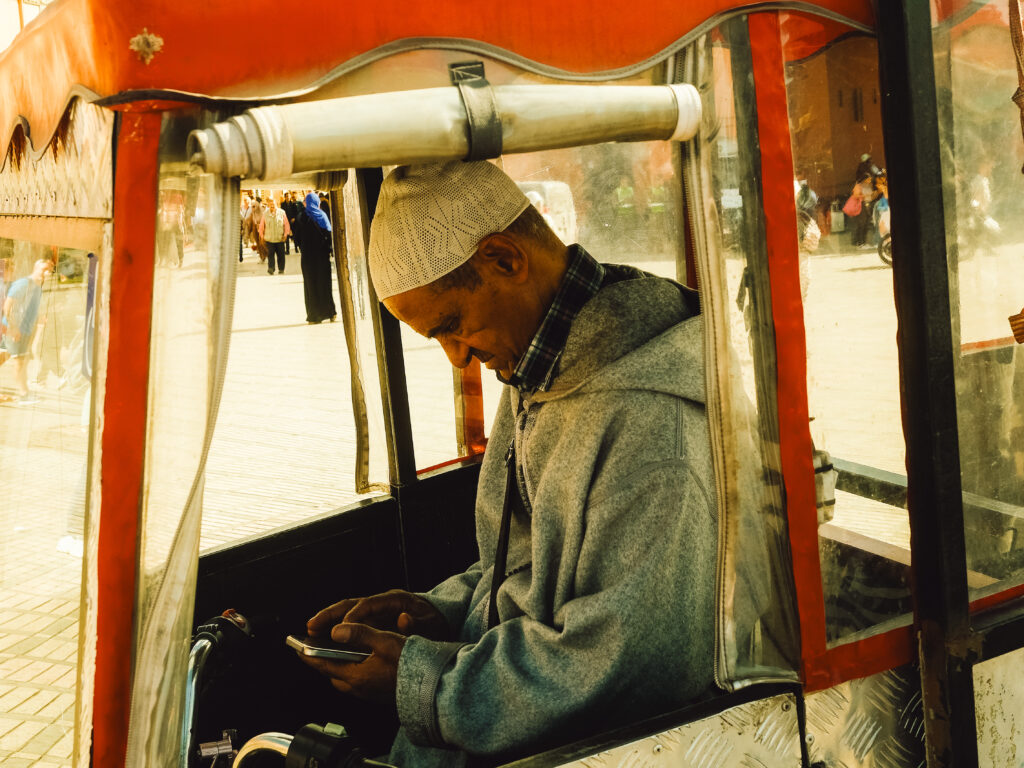
Not to sound cliché, but 99% of the time I go out to take photos, I never prepare for anything because the street will always give different things at different times. Even when you go to one street consistently for a year, each day will give you different things to capture. On days I actually have things on my mind, it’s always subjects — people who are going about their day and pursuing different things. Sometimes, I also focus on shapes, shoes (yes, I know that’s weird)… I get my best work when I go out with an open mind and just photograph things and people that speak to me and look interesting to me. Bonus point: I take a lot of contrasting colors too!
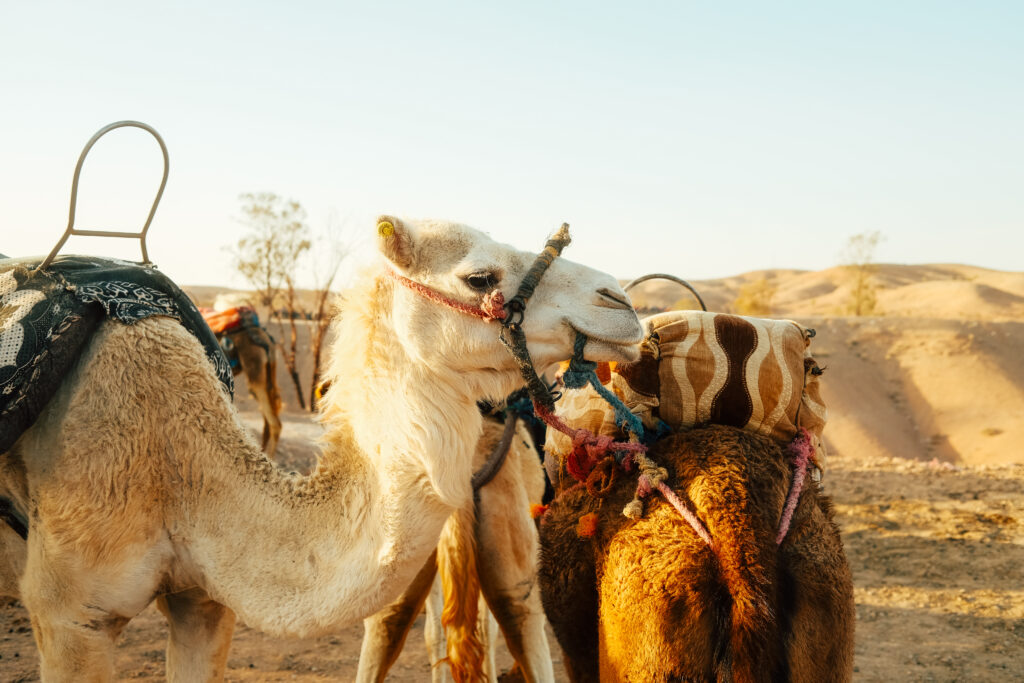
How has your experience as a filmmaker, particularly in narrative work like About a Boy and Ghana Jollof, influenced the way you see and document fleeting or ordinary scenes through photography?
I’m definitely a better photographer because I’m a film director — definitely! In terms of composition, framing, just everything, mise-en-scène is key to me. That’s why it will always be about capturing the moment and composing carefully. For example, when I’m on the street taking photographs, I mostly slow down a lot because I pay attention to things and people around me, unless of course the street is giving me so much to handle at the same time lol. So yeah, being a filmmaker definitely adds to the way photography shapes me. Also, you know, the major difference between film and photography is motion versus still images — at the end, it’s all about storytelling, and I’m so happy to be using both photography and filmmaking as tools to tell stories
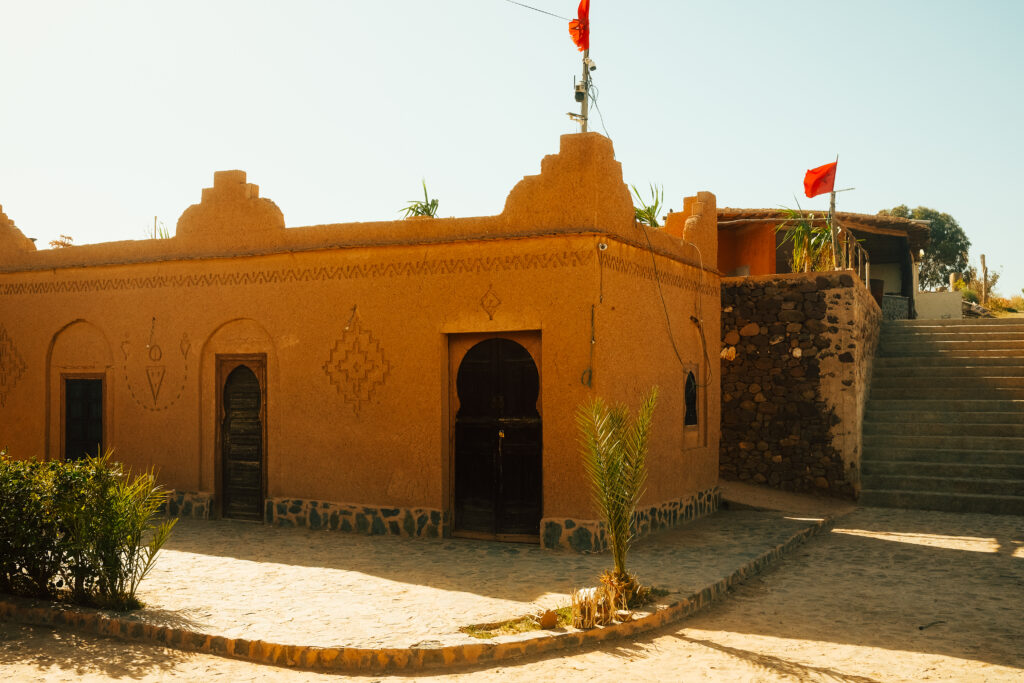
In your practice of walking, observing, and collecting moments with your camera, how has movement itself become a language or method for understanding memory and lived experience?
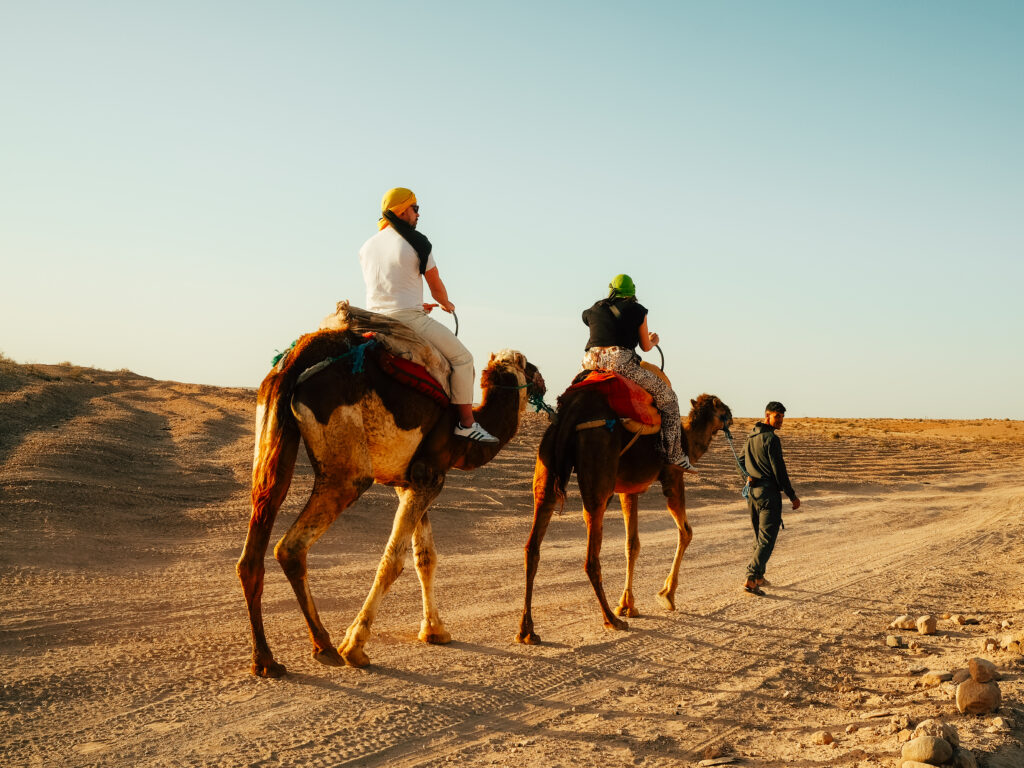
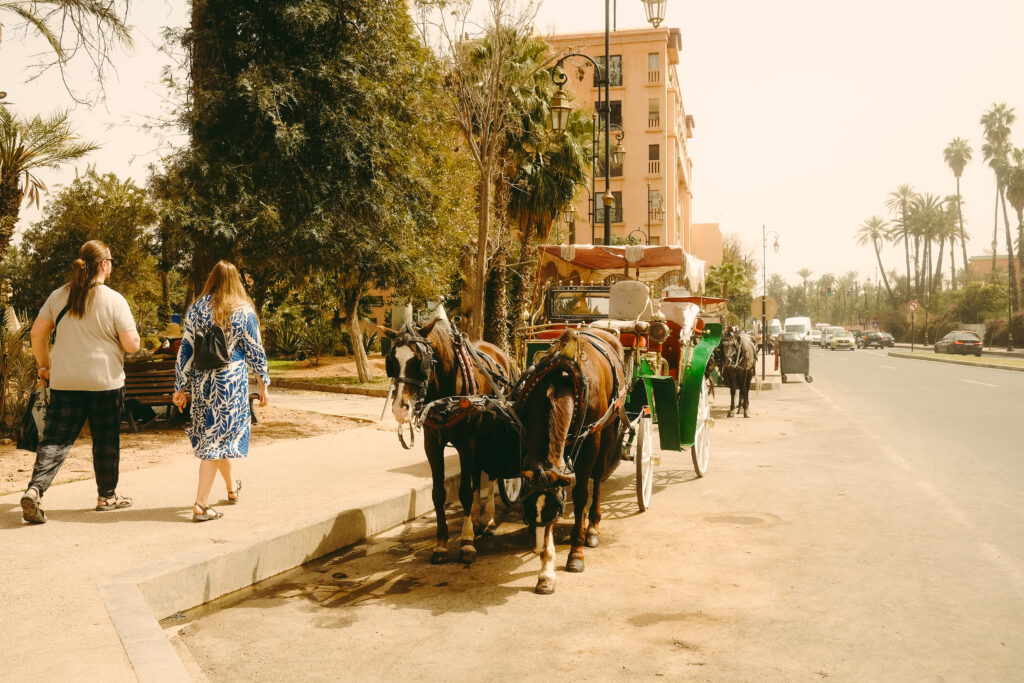
I really like this question. Guys, I have walked! I have walked so much that sometimes I actually just walk in my dreams. So yeah, walking to capture moments on the street has really helped me and shaped my photography into something beautiful. For example, when I traveled to Marrakech, I walked 80% of the time I stayed there because it helps your mind open up to different beliefs, people, areas, and ways of life. As a street photographer, outside is my office! It’s where I gather emotions, thoughts, memories, and experiences of people and places I witness. Without these walks, none of this would be possible!
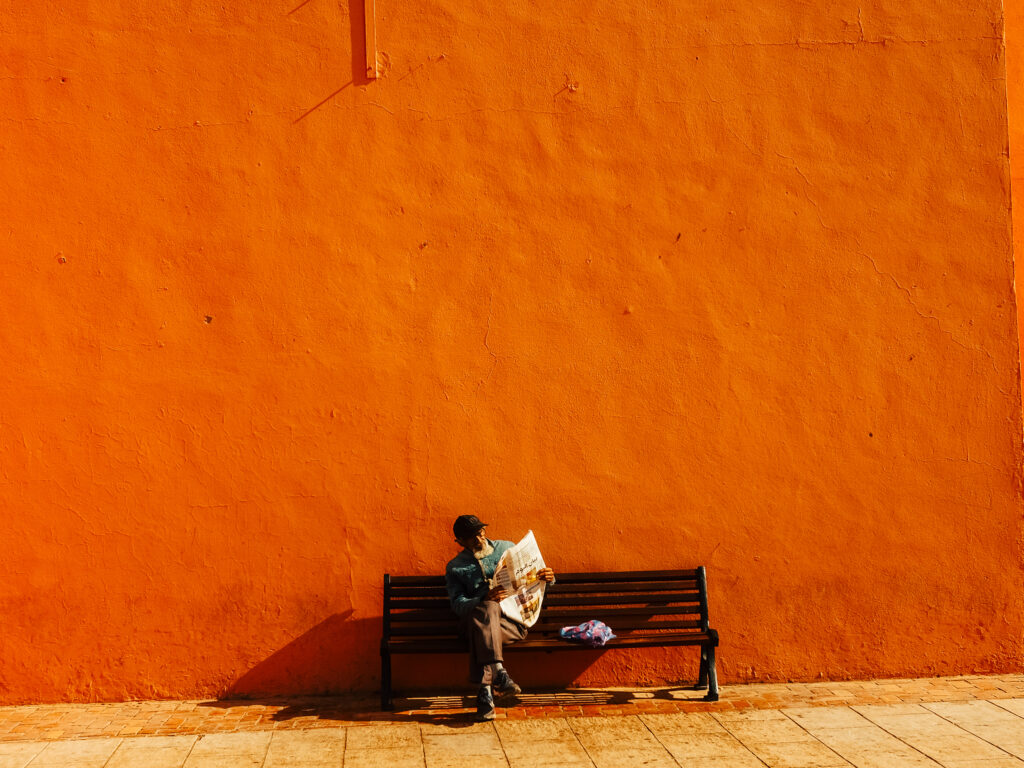
In your street photographs, colour and skin often sit in quiet tension. When you frame a shot, are you consciously thinking about skin tone against the environment, or does that relationship reveal itself only after the image is made?
To be honest, only when I do street-style fashion photography do I think about skin tone. But when I do general documentary street photography? I don’t think about all that! I only frame because I love what I see. Thinking about it now and checking some of my images, I think you are right! I really pay attention to colors, and I think my editing also tilts toward these things. I also think that’s what people call “style” when asked about my style of photography. So let’s just say it’s subconscious and definitely a thing after the images are made. But yes, I actually pay attention to colors and contrast! This is why I love colors like red, yellow, blue, green, orange, etc., because they stand out and make everything pop.
What is one photographic or scholarly habit you carry into every place you photograph, regardless of where you are? What do you need to always do to feel prepared?
That’s definitely observing! I don’t go out or anywhere and bring my camera out immediately. Sometimes, I even go out just to observe and see, without having plans to take photos. So yeah, I observe and see a lot to know what the environment is saying before I bring my camera out to take photos. The moment my camera is up, it’s GO TIME! It’s just like athletes — they play with whatever they’re dealt with and get accustomed to their environment before the actual work. So for me, as a photographer, I observe, set up my camera, and observe more. I hope I’m not sounding cliché
Are there other photographers whose work you enjoy and have, in turn, inspired the way you photograph or see photography?
Definitely! Andre D. Wagner is first on the list! Oh? What a photographer! What a man! He inspires me a lot, and I’m definitely a big fan of his work. Oh, I’m a fan! Simbarashecha is another person I follow and study his work. He does more street-style fashion, but he’s a great photographer. Faizal Wescott is another street photographer I follow. When we talk OGs: Martin Parr, Gordon Parks (he inspires me a lot to shoot more street work), Saul Leiter, etc.