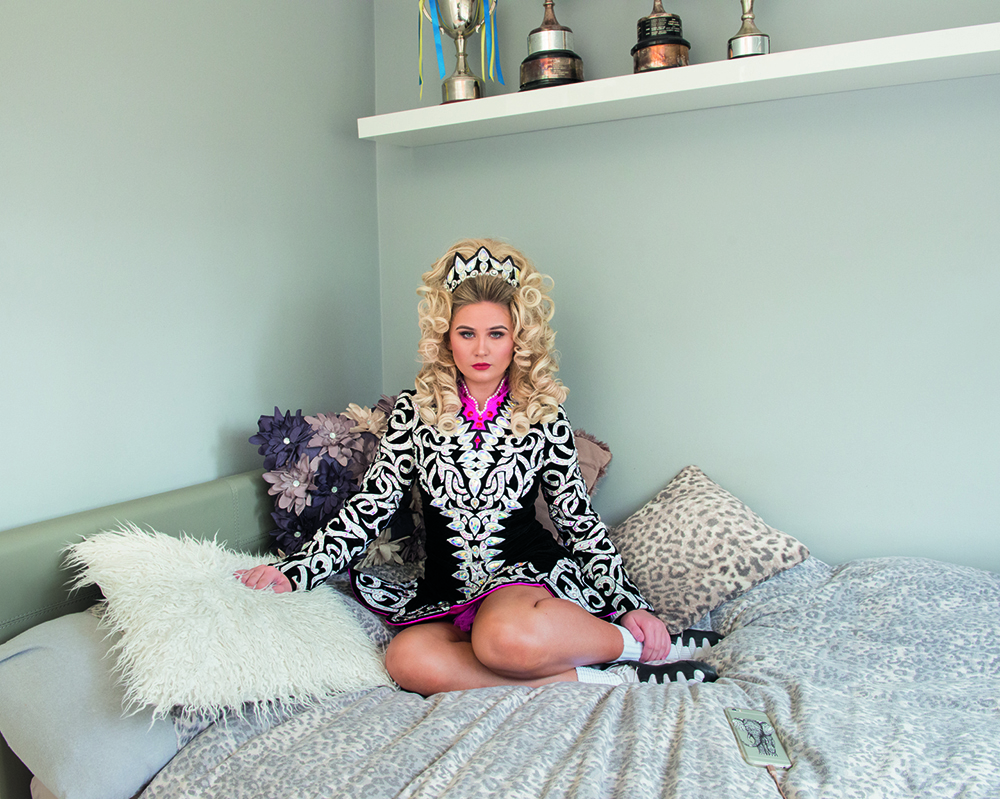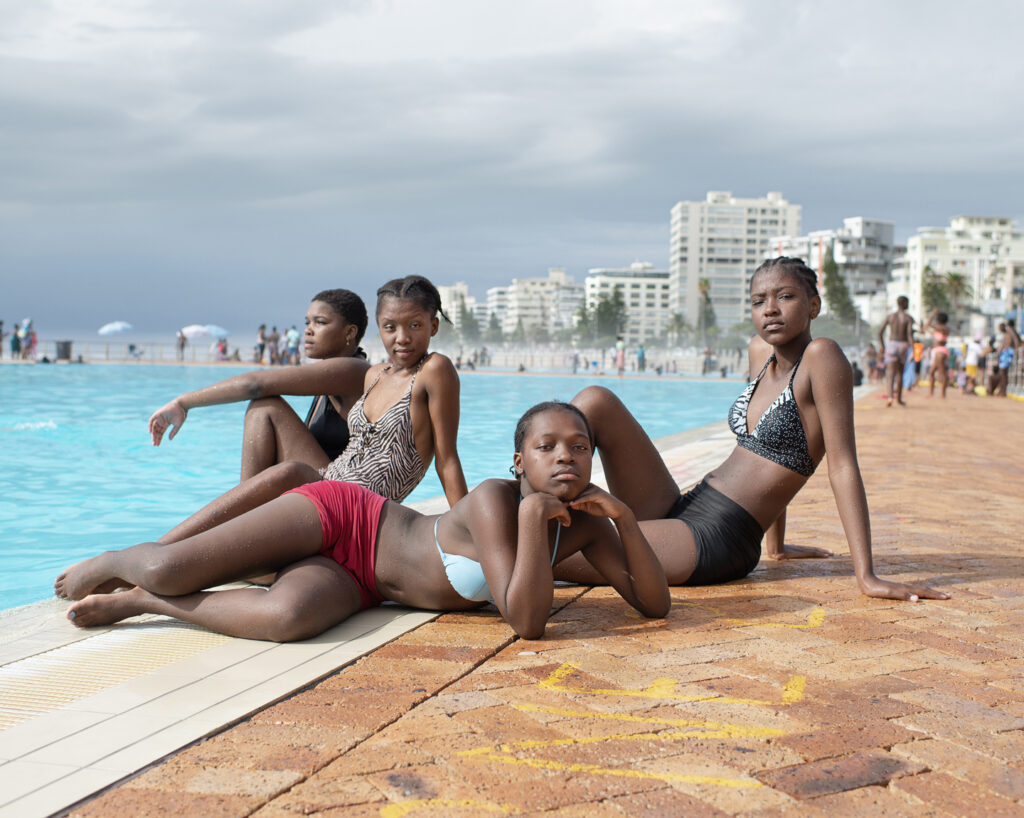
Michelle Sank’s photographic practice is grounded in a long-term attention span, proximity, and an ethics of a careful lens. Born in South Africa and based in the United Kingdom, Sank has spent decades working within social documentary photography, developing a body of work that centres around youth culture while remaining deeply attentive to the social environments these young people inhabit. Since they are honest, her images resist spectacle and show the exact humdrum of young people’s lives. It unfolds quietly, shaped by trust and a sustained interest in how identity forms within everyday conditions. Across Michelle’s practice, youth is not treated as a theme to be aestheticised, but as a social reality to be encountered. Adolescence and early adulthood appear in her work as states of negotiation, moments when individuals are learning how to occupy space, relate to others, and understand themselves in relation to wider social structures. Whether photographed on the street, at home, or in communal spaces, Michelle’s subjects are rendered with dignity and psychological presence.
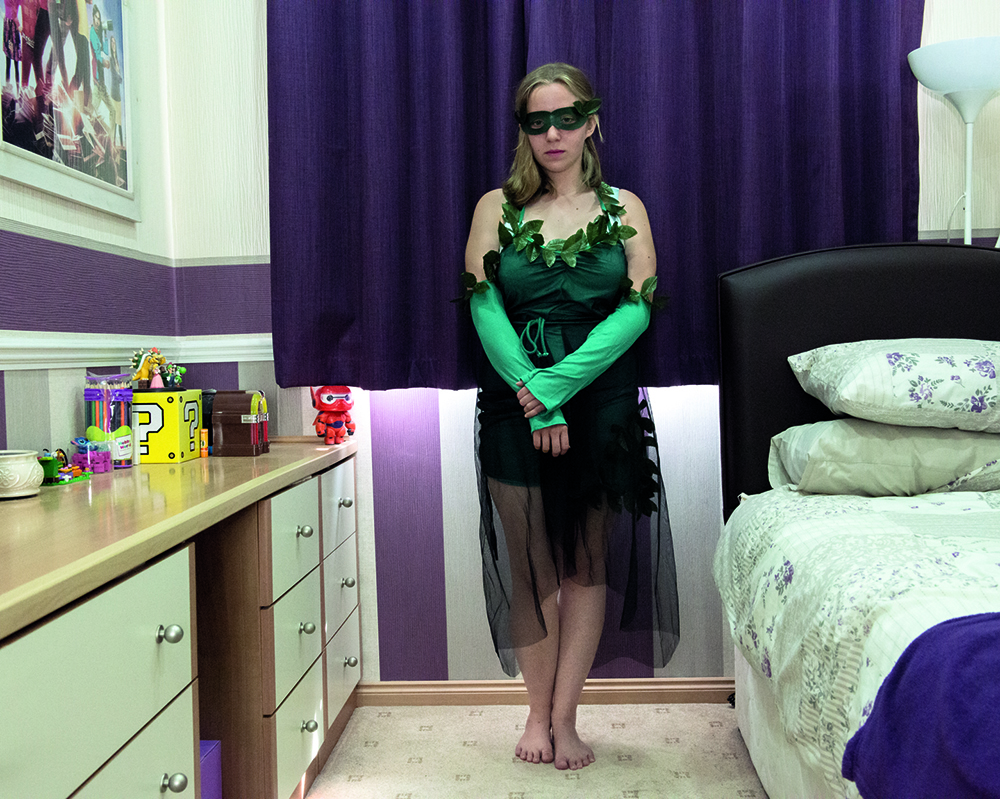
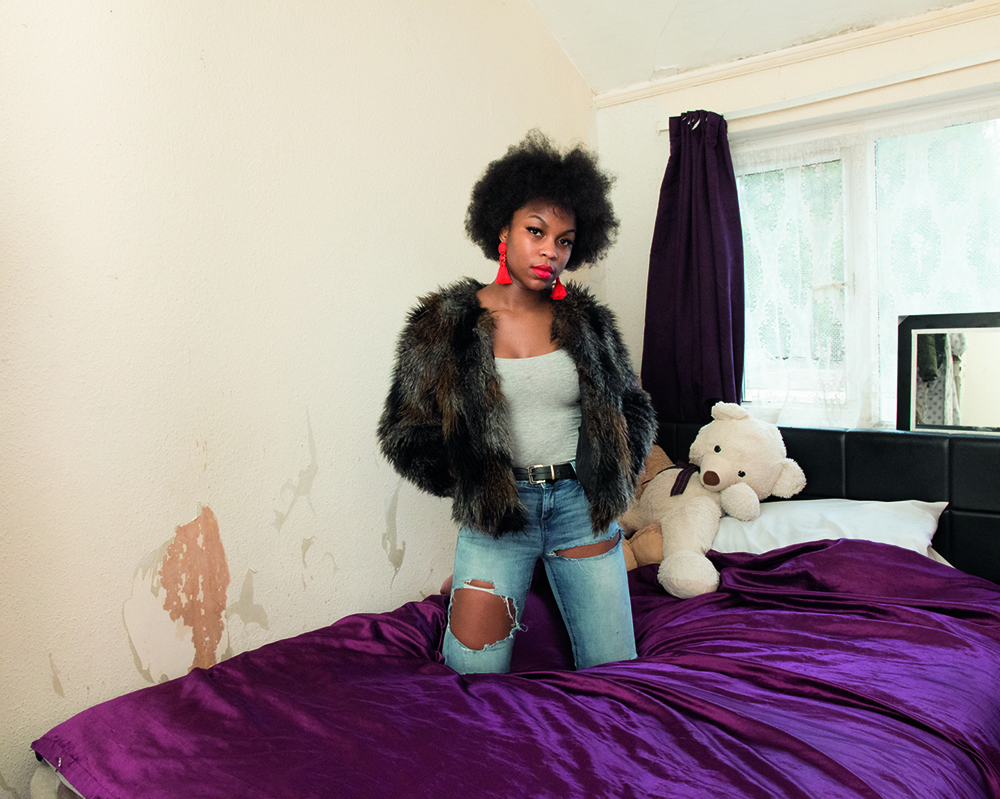
Much of Sank’s early recognition came through projects that focused on young people living within specific social and political contexts. In series such as Teenagers Belfast, Endgame, and Young Carers, she documented youth shaped by conflict, responsibility, and constraint, without collapsing those lives into narratives of deficit. Her portraits are restrained and direct, allowing the complexity of each individual to remain intact. The photographs suggest that identity is not fixed but continually formed through circumstance, relationship, and environment. This attention to the neighbourhoods becomes especially pronounced in My Self, a project made in collaboration with Multistory, in which Sank photographed young people in their bedrooms across the UK’s Black Country. Here, private space becomes a site of self-construction. Posters, clothing, furniture, and personal objects quietly speak to aspiration, belonging, and cultural affiliation. Rather than framing these interiors as sociological evidence, Sank allows them to function as extensions of the subject, revealing how young people author themselves within the limits and possibilities of their surroundings.
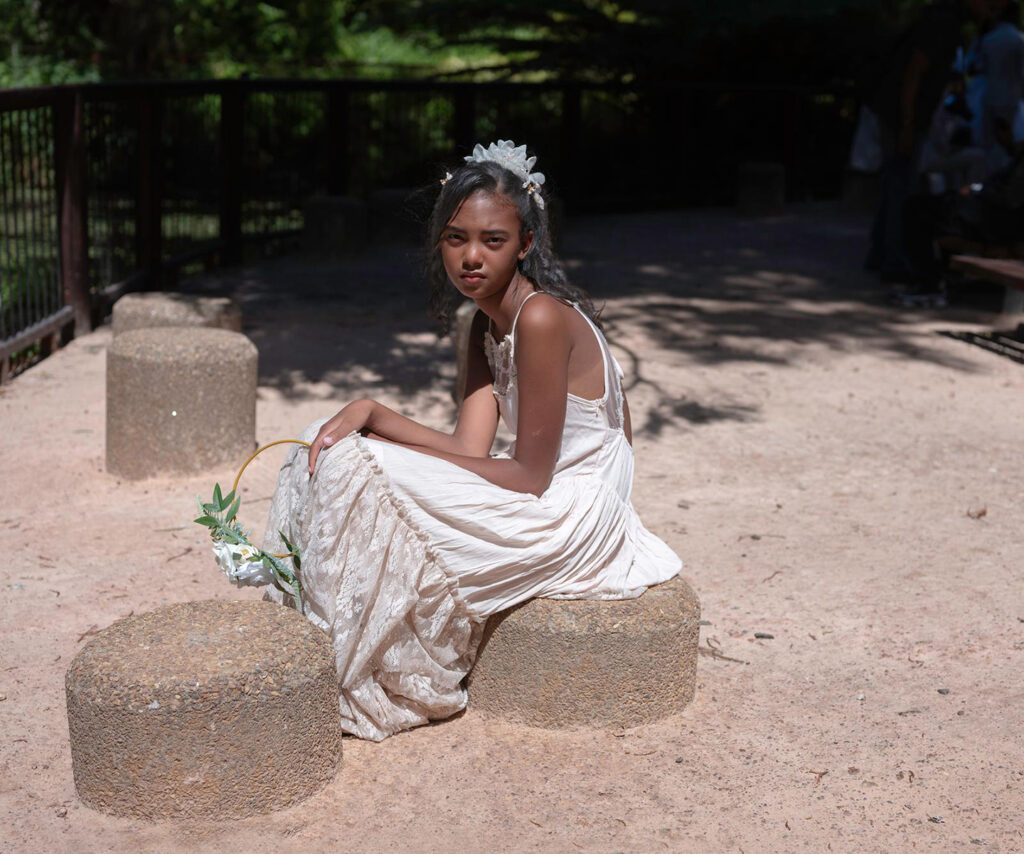
Questions of self-perception and social pressure are further explored in more of her work, including award-winning projects that examine body image among young people. Her work navigates a difficult terrain, addressing vulnerability, desire, and conformity without moral judgment. Michelle’s portraits remain calm and unsensational, creating space for readers to consider how contemporary visual culture shapes self-worth, particularly during formative years. While youth remains central to her practice, Sank’s work consistently expands outward into broader considerations of place, community, and collective memory. Projects such as Sixteen, made in Cornwall, and Reality Crossings, produced in Mannheim, Germany, situate young people within regional, economic, and migratory contexts, revealing how geography and class inflect opportunity and self-understanding. These works underscore Sank’s commitment to photographing people in relation to the social systems they navigate rather than isolating them from context. Her more recent project Ballade marks a return to Cape Town, her birthplace, where she photographed people along the Sea Point Promenade, a public space layered with post-apartheid histories and contemporary social tensions. Here, Sank’s gaze widens to include a cross-section of ages and backgrounds, yet her sensitivity to youth culture and social interaction remains evident. The promenade becomes a shared stage, a site where personal histories, leisure, and public life intersect. The work feels both observational and personal, shaped by memory as much as by present-day encounter. Across all of these projects, Sank’s approach is defined by collaboration and duration. She does not arrive to extract images, but to build relationships, often returning to communities over time. This commitment allows her photographs to carry a sense of mutual recognition, where subjects appear neither performed nor surveilled, but engaged. Her work suggests that social documentary photography, at its best, is less about revelation and more about attention.
Michelle Sank’s practice ultimately asks what it means to be young. Her photographs propose that youth culture is not a subculture on the margins, but a vital site where social values, pressures, and possibilities become visible. By situating young people within the textures of their everyday lives, she expands the language of documentary photography, positioning it as a living archive shaped by shared presence.
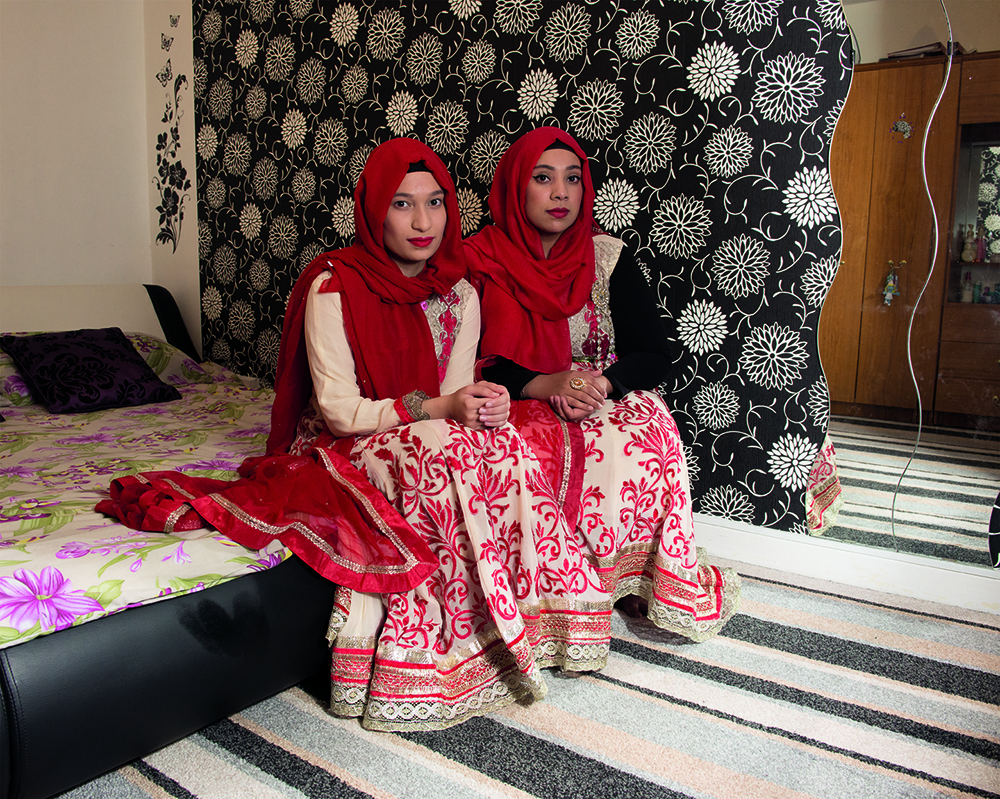
Your work returns repeatedly to youth, not as a symbol of becoming, but as a condition of being. What is it about this stage of life that continues to hold your attention, and how has your understanding of youth changed over time as you photograph it?
I am continuously drawn to the way young boys and girls interpret their understanding of masculinity and femininity. Having left the purity of their childhood worlds, they seem to take on the trappings of the grown-ups they mimic and the status quo as set out in popular culture and media. I think the work is somewhat autobiographical too, where I identify with this transition, the potential awkwardness and the emergence of an individual self. It is also the freedom of expression in terms of stance, cultural coding and dress where they emerge as ‘gem-like’ and celebratory.
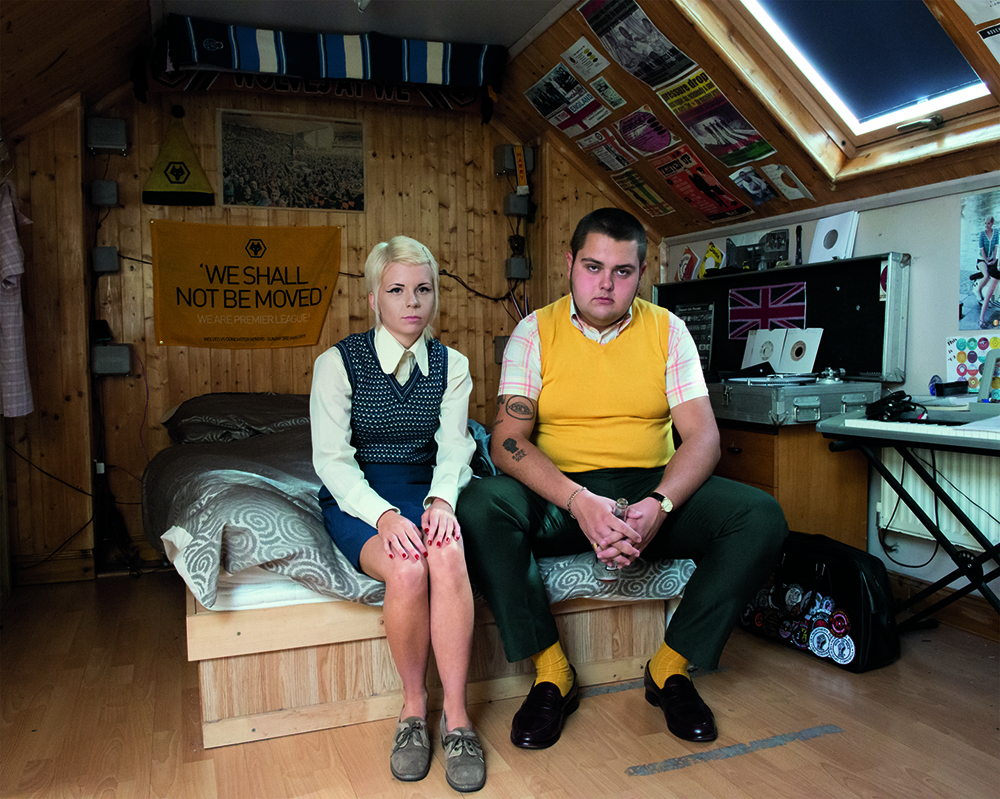
Trust and proximity are palpable in your portraits. How do you navigate the ethics of looking when working closely with young people, particularly when their vulnerability, confidence, and self-awareness are all in flux?
My practice is symbiotic. I have always felt that the interaction I have with my subjects is as important and sometimes even more important than the resulting photograph. When I come across them, it is often a moment of wonderment and an appreciation of beauty within that moment, and the environment – something that I think is palpable to the people I am working with, and hence a mutual respect develops.
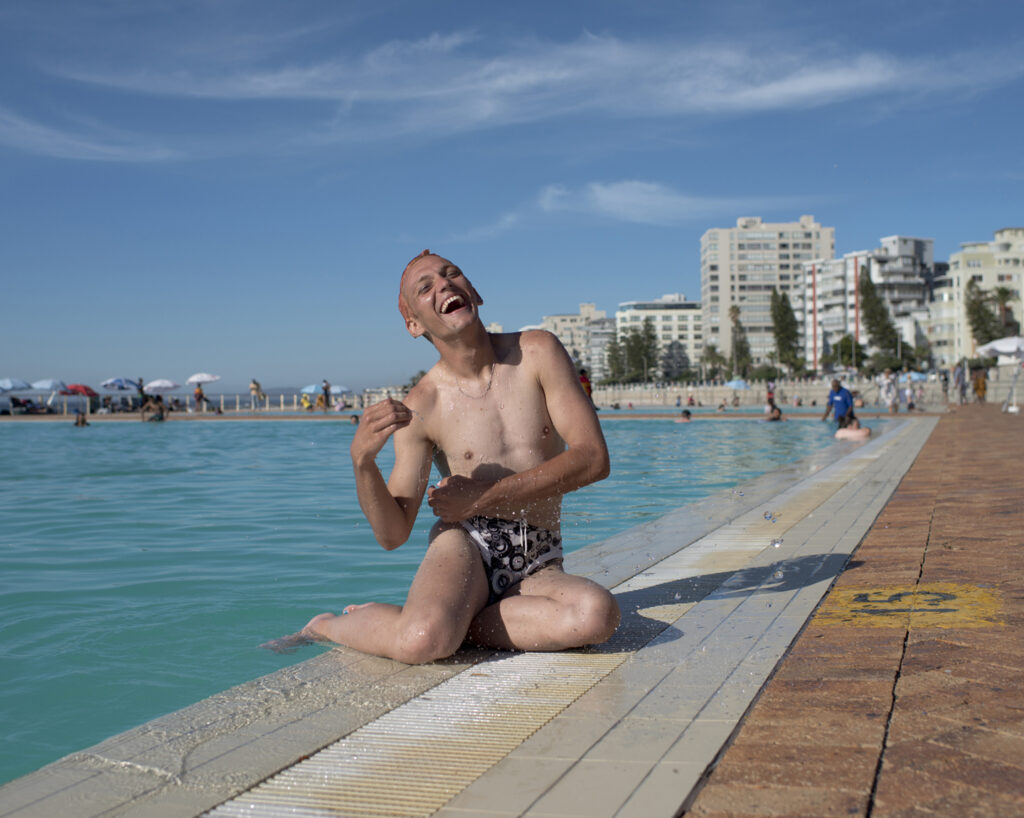
Many of your images sit at the intersection of person and place, where bedrooms, streets, and public spaces seem to shape identity as much as the subjects themselves. Do you think the environment is an active participant in the photograph rather than just a backdrop?
Yes, I do – I feel the environment sets up a context and narrative for the portrait. It is as if some signs and metaphors enhance the understanding of the portrait.
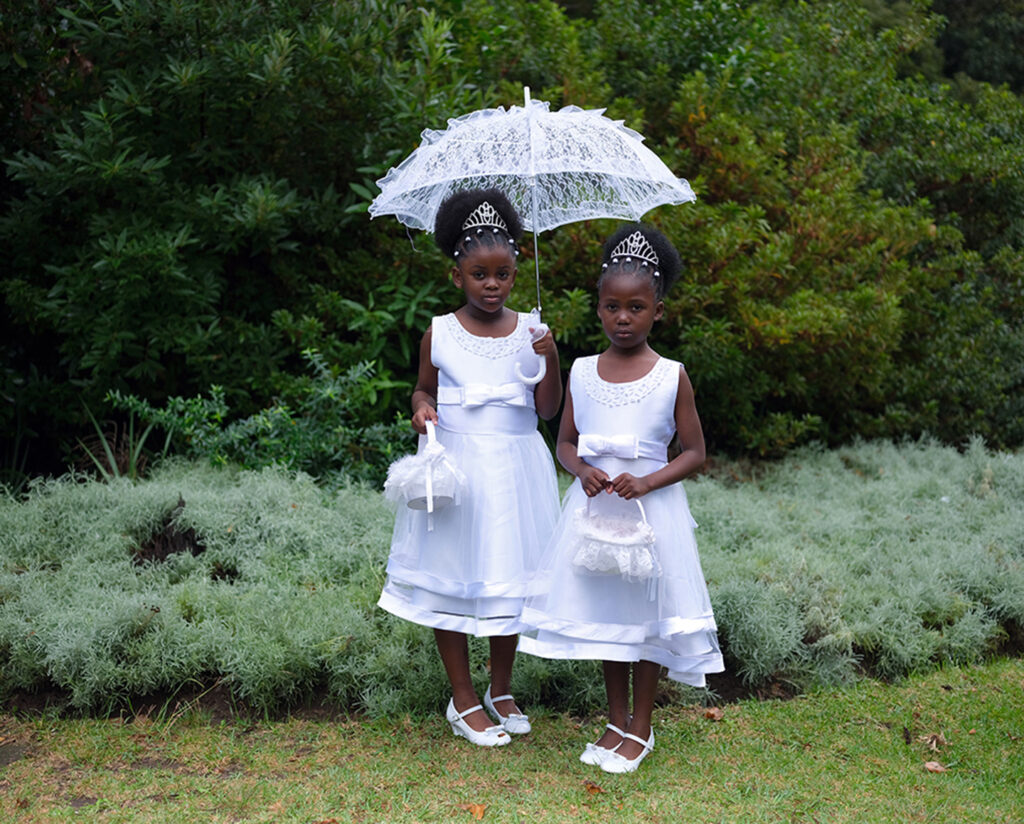
Your portraits resist both spectacle and sentimentality, even when addressing emotionally charged themes such as body image, responsibility, and social pressure. What do you consciously refuse in your practice, and why is restraint such an important part of how your work functions?
I have never been drawn to photograph the sensational, but rather look for the spectacular in the ordinary. The quieter moments where something is revealed are what I gravitate towards.
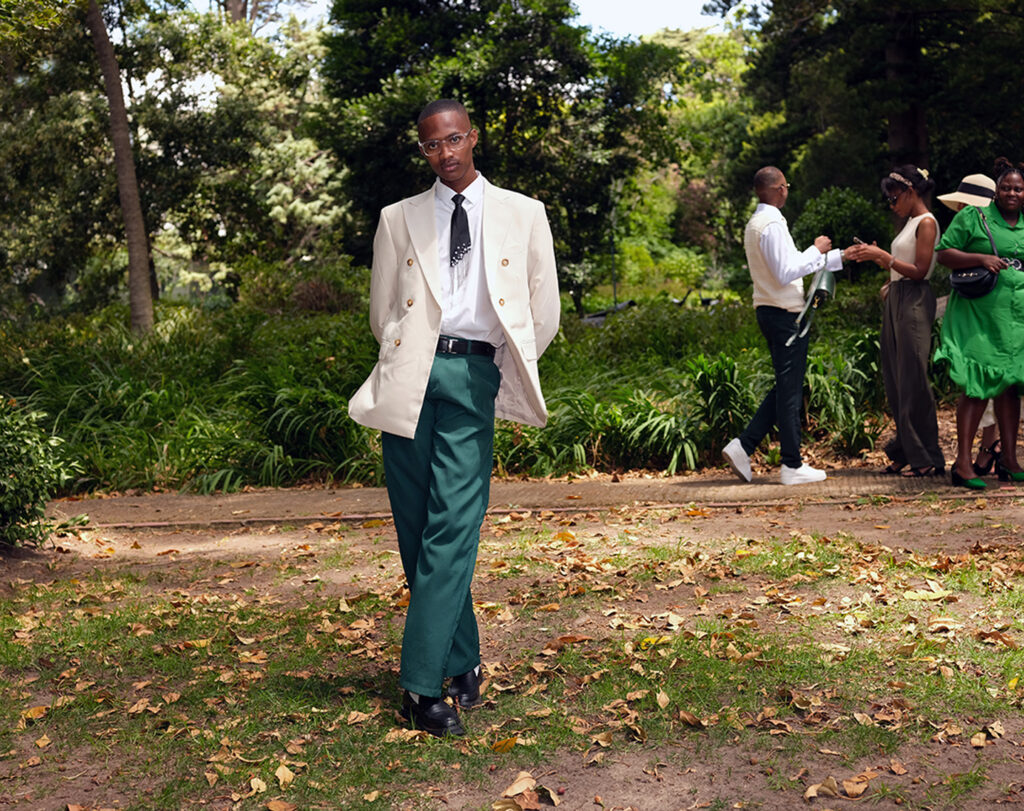
Time appears to be one of your key materials. You return, you linger, you allow relationships to develop. In an era of accelerated image-making and instant circulation, what does slowness make possible for you that speed does not?
The slowness of the image making and the careful regard allow the camera to simulate a stage set where tableaus can unfold – it is as if the subject interprets this as a space of individual revelation or performance.
Are there other photographers or lens-based artists whose work you enjoy and draw inspiration from?
David Goldblatt, Phillip di Corcia, Katy Grannan, Alec Soth, Phillip Toledano, Mark Steinmetz, Jurgen Schaderberg, Billy Monk, Samuel Fosso
Looking back across your practice, from early projects to more recent work, what do you feel photography has taught you about responsibility, both to the people you photograph and to the audiences who encounter their images later on?
To be ethical, to take responsibility for how and where the images are used, and to ensure they stay within the context in which they were taken. My practice is not covert, and that is very important to me.