
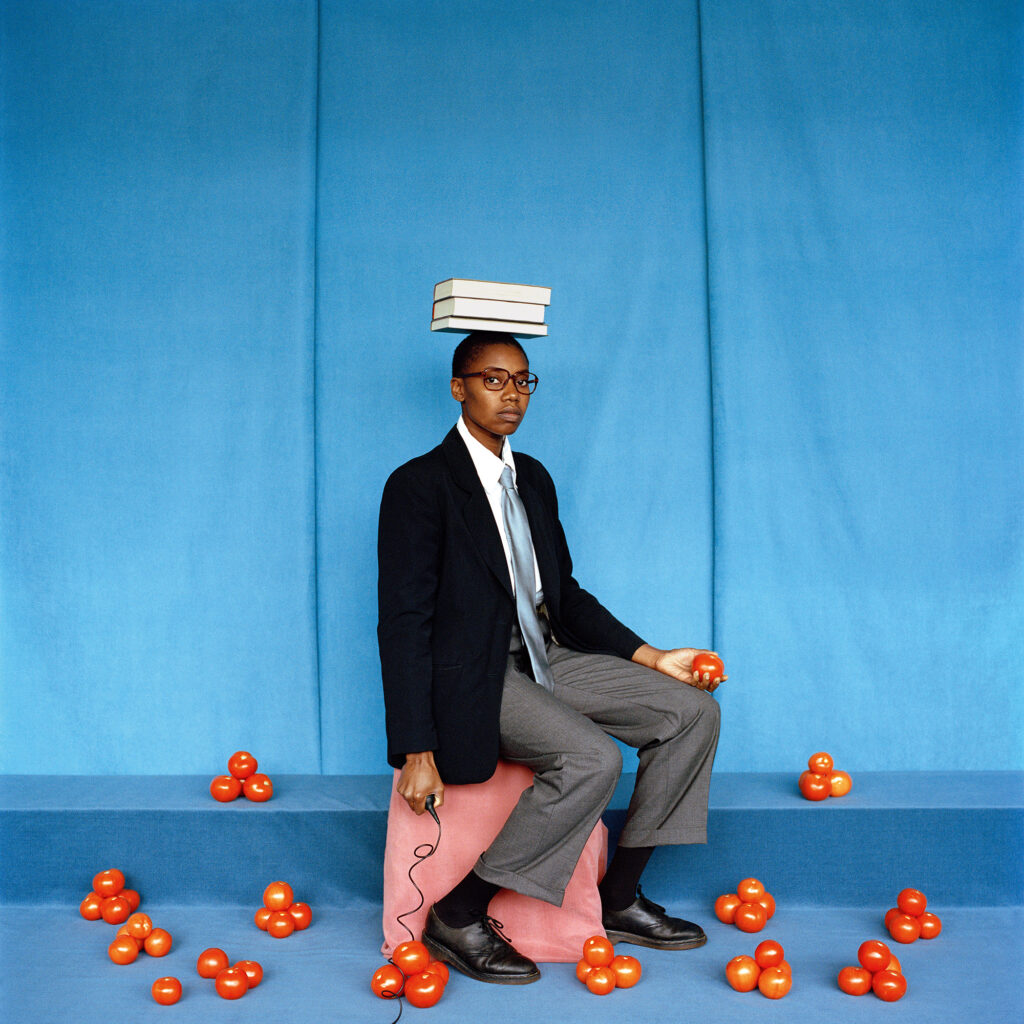
There is no single definitive number of Black curators working in contemporary art globally, as the field is fragmented across museums, independent spaces, biennials, and academic institutions. Black Curators remain significantly underrepresented, even though the influence of Black Art has grown in recent decades. While there are possibly hundreds of Black curators worldwide, only a few hold visible positions in major museums, biennials, and international exhibitions. Naturally, this imbalance has shaped which artists are collected and exhibited, how African and diasporic histories are interpreted and whose narratives enter the canon of contemporary art. This leads us to say that in a contemporary art world increasingly concerned with questions of restitution, representation, and historical repair, few curators have approached these issues with the intellectual rigour and clarity of Awa Konaté.
Awa Konaté plays a meaningful and increasingly visible role within contemporary photography, especially in shaping how African and diasporic image practices are presented, contextualised, and understood. Her significance lies in how she frames conversations rather than simply selecting work. Her curatorial approach often engages with archives, memory, and representation, particularly how images carry histories shaped by colonial and postcolonial structures. She contributes to a broader shift where curators are not just presenters, but critical thinkers working on how images mean.
It would be more accurate to say that many observers, including us, interpret Konaté’s work as being driven by a strong sense of care, responsibility, and cultural commitment. From her public work and statements, Awa Konaté has consistently focused on African and diasporic archives, Feminism, Black cultural memory, access to art education for underrepresented communities and institutional critique around representation. Through her platform Culture Art Society, she has built intellectual programs that centre Black histories, working-class audiences, and community-led learning. She is and has been a curator operating from a place of cultural solidarity and long-term commitment rather than detached academic interest, and that is why her projects demonstrate sustained engagement with Black cultural heritage and diasporic knowledge systems. Her exhibitions often prioritise restorative narratives and collective memory, and her institutional collaborations have consistently aligned with her founding values of re-engineering the conditions under which history is seen, studied, and understood.
Awa’s career has unfolded across Europe, Africa, and the Middle East, where she has collaborated with institutions such as the Serpentine Galleries, Kunsthal Charlottenborg, and The Barbican Centre, while also maintaining an independent curatorial voice through Culture Art Society. This dual positioning, both inside and outside institutional frameworks, has allowed her to challenge traditional exhibition formats while still engaging with major public platforms
What distinguishes Konaté within a crowded global curatorial field is not only her thematic focus on Africa and its diaspora, but her structural critique of how knowledge circulates. Through Culture Art Society, she has advocated for arts education and cultural resources to reach Black working-class communities, an ambition that challenges the art world’s long-standing hierarchies of access and expertise.
Photographers featured in this interview, curated by Awa Konaté, include:
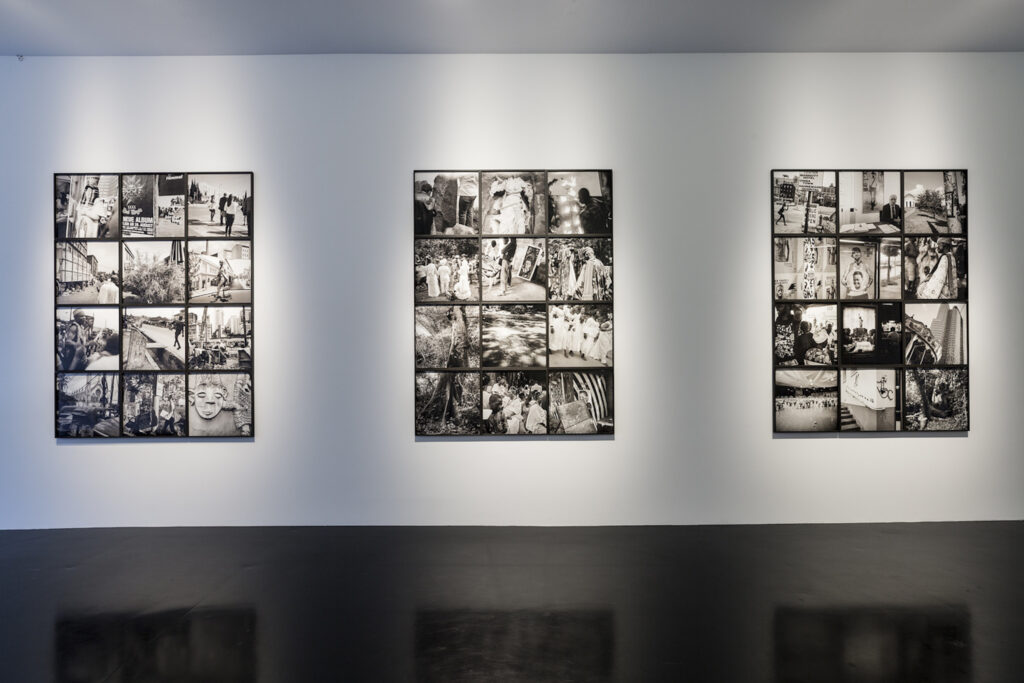
Akinbode Akinbiyi — Passageways
Born in 1946, Akinbode Akinbiyi is a British-Nigerian photographer based in Berlin whose decades-long practice documenting African urban life has made him one of the most internationally recognised voices in African photography.
Ala Kheir — By the River
Sudanese photographer and cinematographer Ala Kheir (b. 1985) is a co-founder of the Sudanese Photographers Group and has played a key role in mentoring and connecting photographers across Africa.
François-Xavier Gbré — L’Épave, 2021
Working between France and Côte d’Ivoire, Gbré documents architecture and landscapes to reveal the traces of history and rapid urban transformation embedded in everyday spaces.
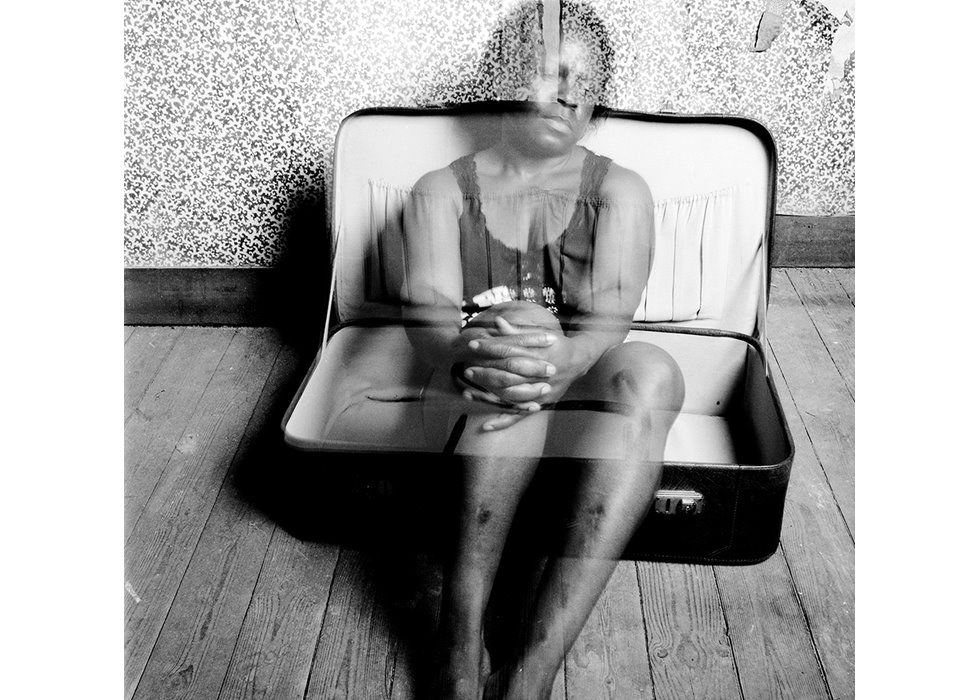
Hélène Amouzou — Belgïe, 2009
Born in Togo, Amouzou began photographing while seeking asylum in Belgium, using self-portraiture to confront invisibility, migration, and bureaucratic identity.
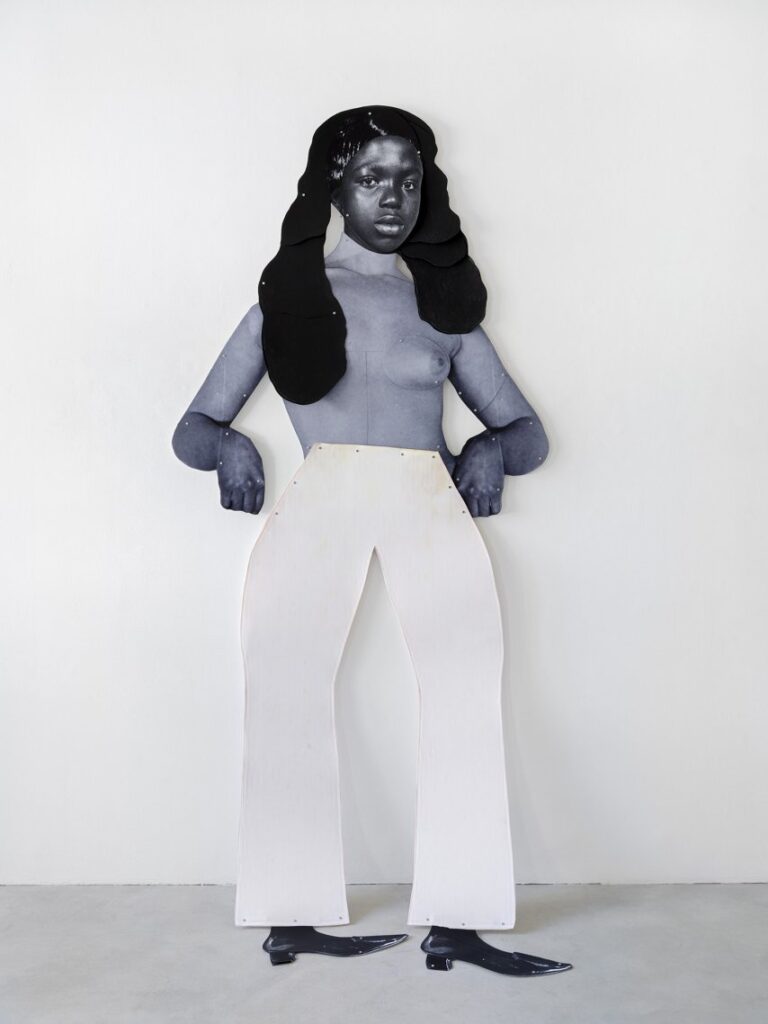
Frida Orupabo — Big Girl II, 2024
A sociologist-turned-artist, Orupabo uses collage and video to interrogate race, gender, and colonial image archives, reshaping found material into powerful narratives of Black identity.
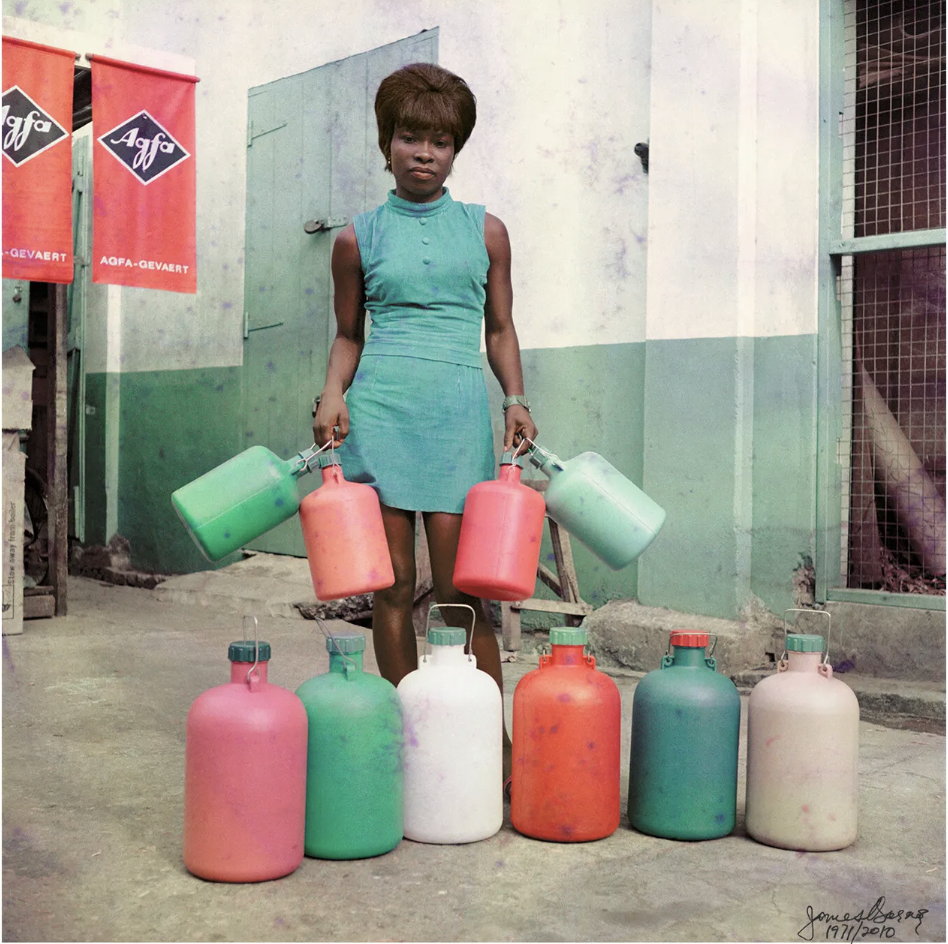
James Barnor — Sick-Hagemeyer Shop Assistant, Accra, 1971
James Banor is the pioneer of Ghanaian studio and photojournalistic photography. Barnor documented modern life in Accra and London during the post-independence era.
Lindokuhle Sobekwa — Omama Bathwelinyanda, 2020
Born in 1995 in Katlehong, Sobekwa is part of South Africa’s “born-free” generation, using photography to explore family trauma, addiction, and township life through deeply personal storytelling.
Sanlé Sory — Bobo a gogo, 1975
Sanlé Sory was the founder of Volta Photo Studio in 1960. Sory became known for documenting the vibrant nightclub and youth culture of Bobo-Dioulasso during the 1960s and ’70s.
Silvia Rosi — Self-Portrait as My Father, 2019
Rosi’s self-portraiture explores migration, family memory, and hybrid identity, drawing on both studio photography traditions and personal archival imagery.
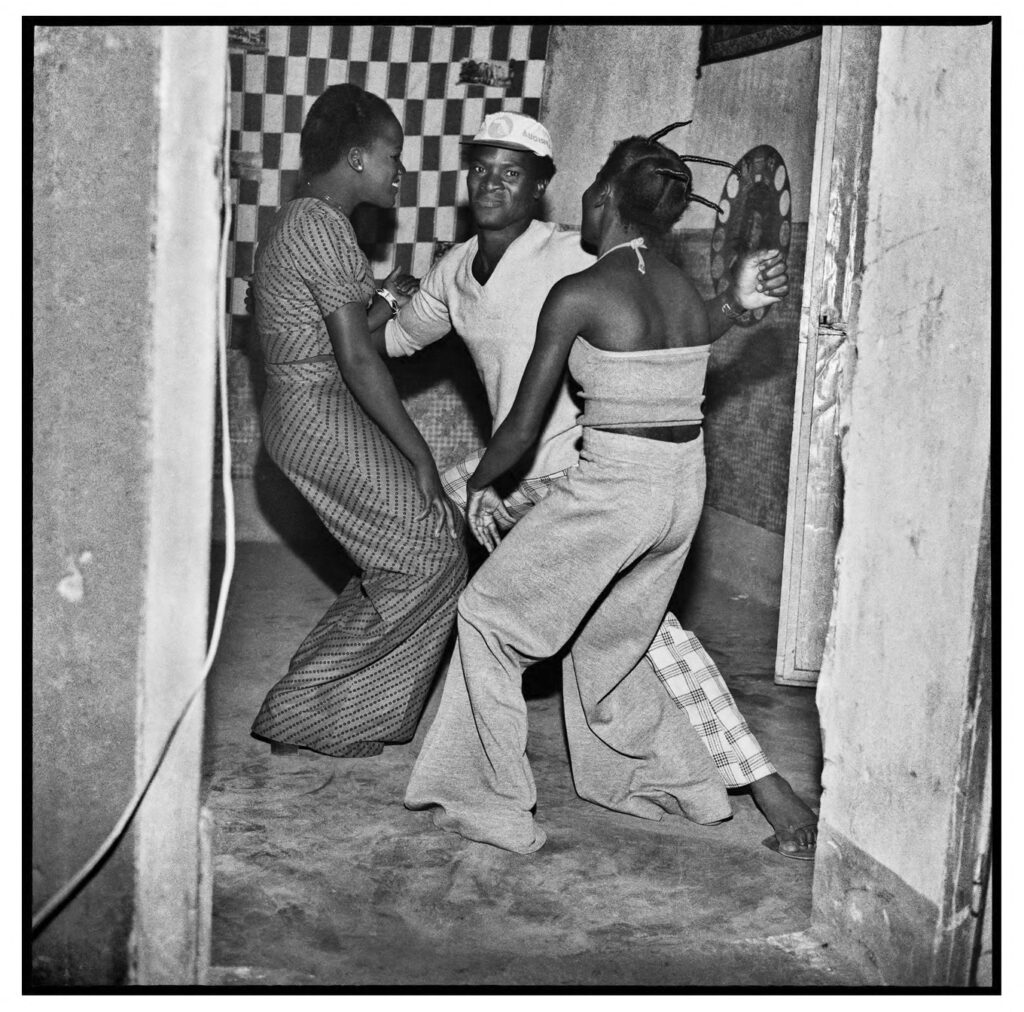
Your work through Culture Art Society places strong emphasis on archival research and memory work, particularly in relation to African and diasporic histories. How do you approach the responsibility of interpreting and presenting archives that were often shaped by colonial or institutional biases?
The archive, as I encounter it, is never neutral ground. It is structured by decisions, what is preserved, what is omitted, what is made visible, and what is rendered peripheral. In the context of African and diasporic histories, these structures are often inseparable from colonial systems of knowledge production, where the image functions as both document and instrument. My engagement with the archive is therefore less oriented toward recovery in the traditional sense and more toward a sustained process of rereading. What interests me is how artists return to archival material not simply to destabilise it, but to unsettle it, to expose its conditions of production, its blind spots, and its inherent partiality.
Within CAS, this takes shape through practices that approach the archive as a site of friction rather than resolution. Fragmentation, repetition, erasure, and restaging become strategies through which the authority of the image is questioned, and through which alternative forms of knowledge and memory begin to emerge. For me, the responsibility lies in creating a space where the archive can remain unsettled. Curating, in this context, becomes less about presenting the archive as a fixed body of knowledge and more about holding it open, allowing its contradictions to remain visible and resisting the impulse to resolve them into a singular narrative—a space, ultimately, where multiple readings can coexist.
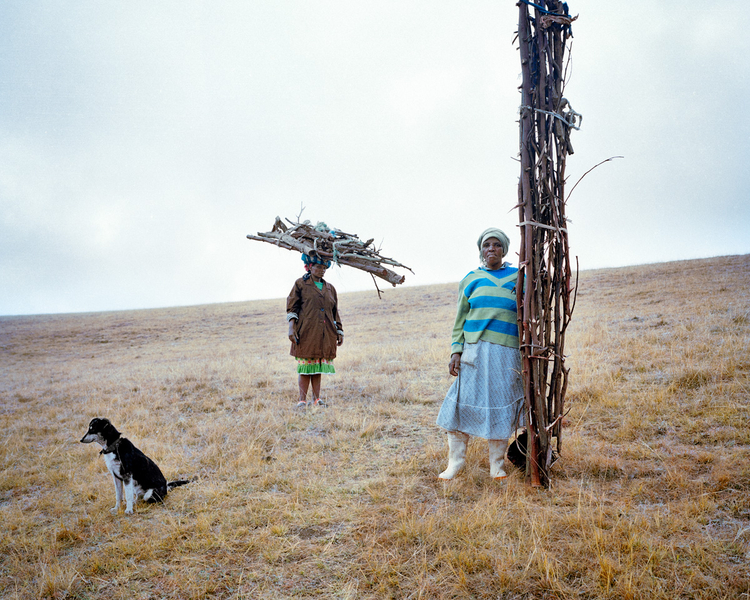
You have worked across Europe, Africa, and the Middle East, collaborating with institutions ranging from artist-run spaces to major museums. How do you adapt your curatorial approach when working within different cultural, political, and institutional contexts while maintaining a consistent intellectual framework?
I tend to think of my curatorial approach as grounded in a consistent set of questions rather than a fixed method. I return, again and again, to questions of how images construct meaning, how histories are mediated, and how audiences are positioned in relation to what they see. These concerns remain constant. To work across geographies is to encounter different conditions of visibility, as well as different ways in which images are produced, circulated, and received. In this sense, context is not an external factor, but an active agent in shaping meaning. Rather than adopting a fixed curatorial methodology, I return to an underlying set of questions: how images construct and mediate histories, how they position the viewer, and how they participate in broader systems of representation and discourse. These questions remain stable, even as the conditions in which they are posed shift. What changes, then, is not the framework itself, but its calibration. I allow both myself and the work to respond to their environments while remaining grounded in a clear intellectual position. It is a matter of being attentive without becoming diffuse.
In smaller, artist-led environments, there is often an elasticity that allows for both curatorial and process-based experimentation. In larger institutional contexts, scale introduces additional considerations, public engagement, accessibility, and the weight of historical narratives. These concerns are not absent from smaller spaces, but they are differently configured. The challenge, then, is not simply to adjust a framework to fit these contexts, but to allow it to be tested by them. What emerges is not a diluted approach, but an expanded one, where the curatorial practice remains grounded, while staying responsive to the specificities of place.
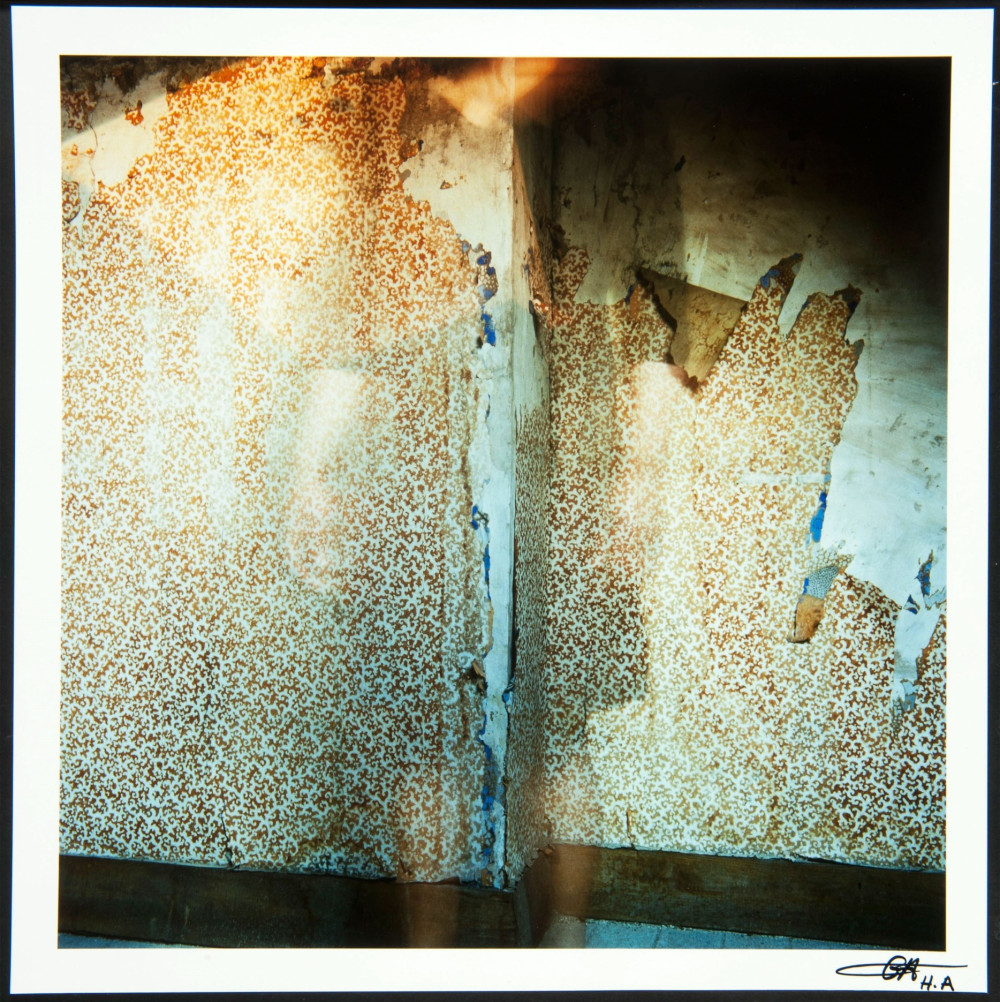
There’s often an unspoken understanding of the type of photography that sells, certain aesthetics, formats, or narratives that reliably move in the market. From your perspective, what kinds of photographic work tend to find collectors most easily today? And at the same time, how do you reconcile that knowledge with the belief that artists should be allowed to develop freely, without tailoring their practice to an implied sales manual?
The circulation of photographic work within the market is complex, shaped in part by recognizability and by visual languages, particularly those aligned with established documentary practices, that are more readily absorbed. This is often because they offer familiar points of entry and are therefore more immediately legible. Legibility, however, is not without consequence. It tends to privilege images that confirm existing frameworks of understanding, rather than those that challenge or complicate them. To acknowledge this, especially as a curator working across different contexts, is not to dismiss the market, but to situate it as one condition among many. The question, then, is how to operate within and alongside it without allowing it to determine the terms of artistic and curatorial production.
I am acutely aware of these dynamics, but I do not see my role as reinforcing them. Rather, I see it as creating space within, and alongside, these tensions for practices that resist easy categorisation: work that is slower, more tentative, or deliberately resistant to legibility and clarity. I believe strongly that artists need the capacity to work without immediate translation into market value. Likewise, curators and institutions carry a responsibility to support practices that unfold over time, practices that may resist immediate categorisation, yet expand the possibilities of the medium itself. It is often within this slower temporality that new forms of image-making emerge.
Many contemporary photographers are described as “adding to the conversation,” especially when their work echoes the spirit and aesthetics of documentary photography from the 1960s through the 1980s. Are you more interested in photographers who consciously work within that lineage, extending it for a new generation, or are you equally open to artists who aren’t adding to an existing conversation at all, but attempting to start a new one? And how do you recognise the difference?
The notion of lineage within photography is often framed as continuity, a conversation extending across generations. While this is of interest to me, what matters more are the points at which that continuity is interrupted, reconfigured, or reimagined. In my curatorial work, I have not been particularly invested in positioning artists strictly within or outside of a lineage. What matters instead is how they engage with the image: whether they reproduce an inherited visual language or actively rethink its terms. Some artists work consciously within documentary traditions, yet do so in ways that shift the conditions of representation—reconfiguring the relationship between subject and photographer, and introducing intimacy, vulnerability, or refusal where distance once prevailed. Others move away from these traditions entirely, working through performance, collage, or abstraction to construct alternative visual frameworks.
What I remain attentive to is the moment when a work opens up a different way of seeing, when it begins to alter how photography, or image-making more broadly, can be understood. It is not simply about extending an existing conversation, but about redirecting it. At times, this shift is quiet, almost imperceptible; at others, it is more explicit. The question, then, is less whether a work belongs to a lineage and more whether it transforms the conditions of the image itself.

This is an odd question to ask, especially of stewards of photography like yourself who are meant to hold space for many voices rather than elevate one. Still, within any collection, there are always artists whose work quietly insists on attention. Are there one or two photographers in your collection who stand out for you, and could you briefly explain why their work continues to resonate?
It is a difficult question, because the selection I have proposed for this interview emerges from a careful process of holding multiple practices in relation to one another, rather than isolating individual voices. Each of the artists included contributes to a broader reflection on the conditions through which photography, and image-making more broadly, is produced, whether through close, lived engagement with place or through distance, memory, and reconstruction. That said, there are moments within a curatorial process where certain practices come into closer proximity, not as points of hierarchy, but as sites of sustained dialogue. In my case, the work of Frida Orupabo and Lindokuhle Sobekwa continues to open up important lines of inquiry. My engagement with Orupabo’s practice has developed over time, including writing her essay for the Deutsche Börse Photography Foundation Prize nomination in 2022. What continues to resonate in her work is the way she approaches the archive as a site of both violence and possibility. Through fragmentation and recomposition, she disrupts the coherence historically imposed on the Black female body, introducing a tension between visibility and monstrosity, where the image itself refuses to stabilise into a singular, legible form. In many ways, her work speaks to a broader set of practices within the selection that engage with the afterlives of images, where meaning is not fixed but continues to reassemble through acts of return, fragmentation, and reinterpretation.
More recently, I spent time in Johannesburg, where I encountered Sobekwa’s work differently, grounded in proximity and in the lived conditions that shape both the work and the conversations around it. His practice is multifaceted, yet deeply attentive to land, memory, and forms of witnessing that unfold over time. In the works included here, there is a quiet but profound engagement with the landscape, not as backdrop, but as a site of lived history and continuity. This attention to place resonates with other practices in the selection that are rooted in observation and duration, where the image emerges through sustained presence rather than immediate capture. What is particularly compelling in Sobekwa’s work—and, in different ways, in Orupabo’s as well—is how intimacy operates. These are images that do not announce themselves; they ask time of the viewer. There is a latent emotional and spatial depth that reveals itself gradually through sustained looking. In both practices, the relationship between figure and ground—between body and land—is never fixed, but constantly negotiated. What connects them, for me, is their capacity to resist closure. Whether through Orupabo’s archival fragmentation or Sobekwa’s engagement with lived experience, the image remains open, holding complexity without resolving it. It is within this openness that I find not only their work, but the broader selection, continuing to resonate.
Your curatorial work foregrounds decolonial thought and Black feminist pedagogies. As institutions increasingly adopt the language of decolonisation, what do you believe distinguishes genuine structural change from symbolic gestures within the art world today?
The increasing visibility of decolonial discourse within institutions has produced a certain familiarity with its language. However, familiarity does not necessarily translate into transformation. Symbolic gestures often operate at the level of representation, through exhibition texts or programming that signal alignment without altering underlying structures of power. These gestures can be important, but they remain limited if they are not accompanied by deeper, structural shifts. Structural change is often less visible and certainly less immediate. It requires a rethinking of authorship, governance, and acquisition strategies, as well as a sustained, long-term commitment to artists and communities. It also demands ongoing practices of accountability and care.
Decolonial and Black feminist frameworks insist on this depth of engagement. They move the conversation beyond visibility toward a rethinking of process, asking us to consider care, accountability, and relationality not as abstract ideas, but as lived practices that shape how work is produced, sustained, and experienced. This is slower work. It is often less visible and, at times, uncomfortable. Yet it is within these structural shifts that meaningful change takes place.
Fortunately, in your profession, any selection of images or films you make can be understood as a form of curation, and once shared publicly, it effectively becomes a small exhibition in its own right. With that in mind, what is the central idea or theme that connects the images you selected and sent to us?
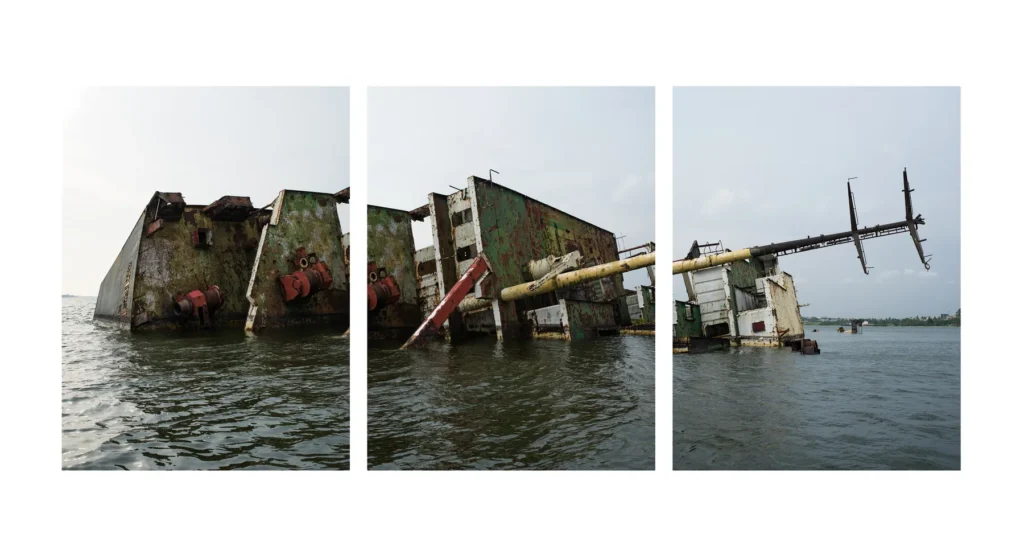
The selection I have shared brings together works that reflect different conditions of photographic production—from images that emerge through close, lived engagement with place to those constructed through distance, memory, archival fragmentation, and intervention. What interests me is that these positions are not fixed, but fluid. An image may begin in proximity, grounded in a specific social and spatial context, and then move, circulate, and take on new meanings. Conversely, some practices begin from a position of distance, working through absence, fragmentation, reconstruction, and the afterlives of images, yet remain deeply tied to histories of place and experience.
Across generations within the selection, from James Barnor to Sunil Gupta to Silvia Rosi to Helena Uambembe, alongside many contemporary practitioners working across documentary and conceptual forms, there is an ongoing negotiation between presence and displacement. What connects these practices, for me, is the relation they hold: between the image of something lived and the image of something constructed; between what is seen, what is remembered, and what is reimagined. It is within these relations that I locate my curatorial interest, within the movement of images, and in the shifting conditions through which they come to mean.