
This article is written for the moments when clothing becomes more than clothing. For when it becomes a declaration, a refusal, a negotiation with power. Interestingly, everything about BUZIGAHILL is archaeological; they have always been interested in clothing that carries evidence of where it has been. A garment arrives in Uganda carrying one history, but BUZIGAHILL takes it apart and gives it a new story. The brand’s wider Return to Sender practice begins with second-hand garments sourced from Kampala’s Owino Market. These pieces are handpicked, inspected, washed, deconstructed, re-engineered, and re-identified, then sent back toward the Global North. Each finished piece also receives a passport recording its year, provenance and individual number. A creative process brand amazingly founded by Bobby Kolade after vivid research into Uganda’s cotton and textile industries led him to confront the effects of the second-hand clothing trade on local production. Bobby Kolade is a Ugandan-based fashion designer and the founder and creative director of Buzigahill. Born in Sudan to Nigerian-German parents and raised between Kampala and Lagos, Kolade trained in Berlin and worked at Maison Margiela and Balenciaga before returning to Kampala, where he began questioning the systems that shape African fashion, textile production and clothing waste.
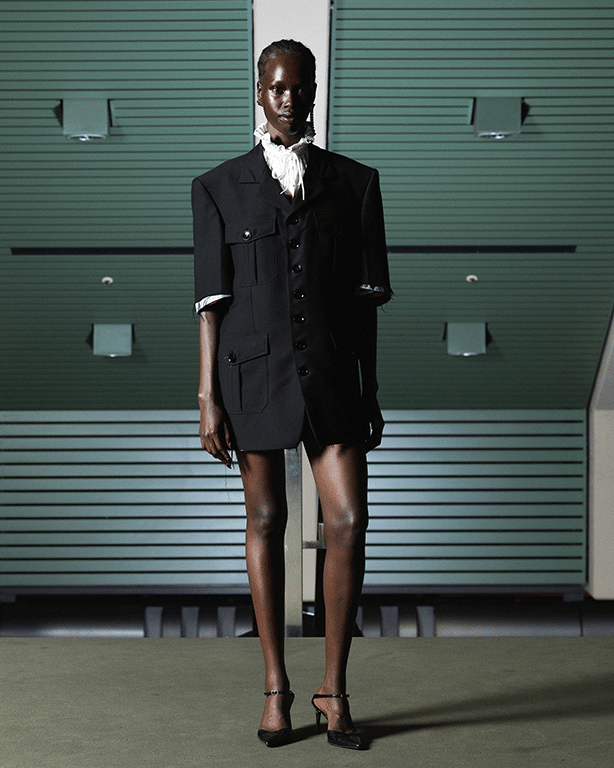
Today, BUZIGAHILL describes its practice as a reverse logistics cycle, transforming discarded clothing into luxury fashion and redistributing the re-identified garments back to their origins. RETURN TO SENDER is not only looking backwards. It is asking what happens when history itself is treated as material. The styling, the models and the fits they donned project authority, hierarchy, discipline, and status, but it is more accurate to say the garments themselves helped create and reinforce those perceptions.
For Spring Summer 2027, styled by fast-rising Kenya-German artist Peninah Amanda, Buzigahill returns to one of East Africa’s most charged periods of dress: the years immediately following independence, when newly formed African states were attempting to imagine themselves beyond the visual language of colonial rule. RETURN TO SENDER calls this period “freedom culture”, a moment when the clothes of political power began to loosen, quite literally, from the conventions that had accompanied it. Amanda’s appointment feels particularly apt. Based in Berlin, Peninah Amanda works across styling, image-making and creative direction, bringing a global perspective shaped in part by her Kenyan roots. Her work embraces colour, texture and unexpected combinations, while drawing from the currents of contemporary fashion and pop culture. For Return to Sender 13, that sensibility places the collection’s historical references firmly within the visual language of the present.
BUZIGAHILL places Spring/Summer 2027 beside another figure whose relationship with clothing was considerably more fluid: Princess Elizabeth Bagaaya of Tooro. Lawyer, royal, model, actress and diplomat, Bagaaya moved between worlds that were rarely designed to accommodate someone like her. She studied law at Cambridge and became the first woman from East Africa to be admitted to the English Bar, later becoming Uganda’s first female lawyer. In the late 1960s, she entered international fashion, appearing in Vogue, Harper’s Bazaar and other major publications before returning to Uganda and taking on diplomatic roles. Princess Elizabeth Bagaaya of Tooro’s significance to RETURN TO SENDER is not simply that she was fashionable. Bagaaya understood appearance as a form of representation. Her body, clothes and presence travelled ahead of her into rooms where Uganda, Africa and Blackness were already being interpreted through someone else’s vocabulary. Fashion gave her another language with which to intervene.
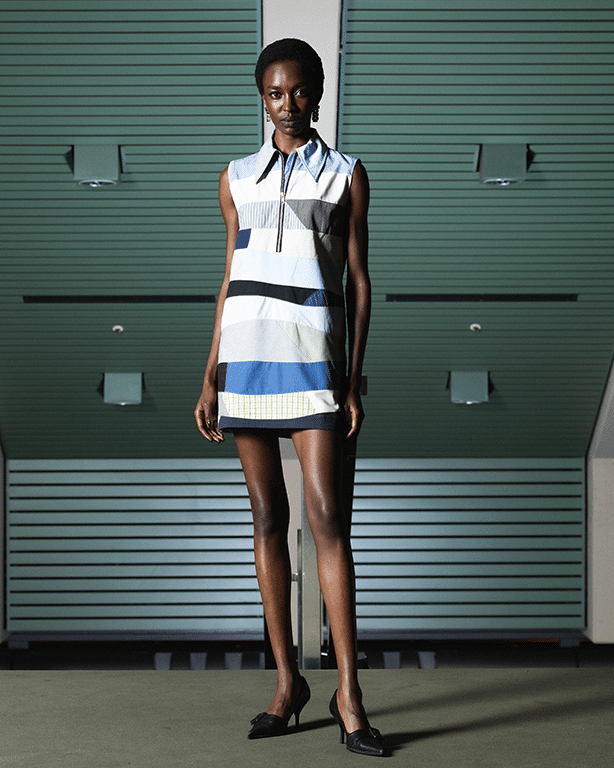
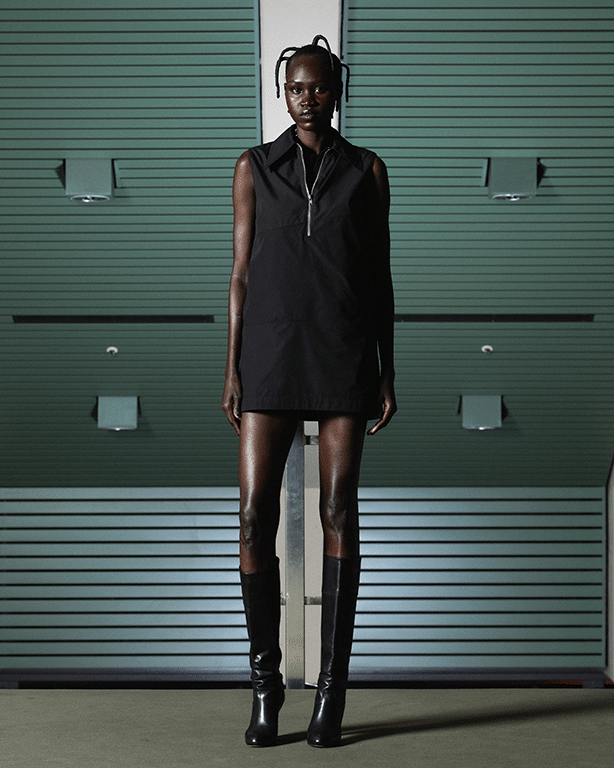

Spring/Summer 2027 is where BUZIGAHILL’s idea of freedom culture becomes particularly interesting. Independence did not mean that the visual systems of colonialism simply disappeared. The cut of empire remained. The institutions remained. The imported garments remained. What emerged instead was a period of experimentation, when African political and cultural figures began to negotiate what authority, sophistication and modernity might look like on their own terms. Buzigahill understands this as an unfinished design system. That unfinished quality is important. The new collection does not romanticise post-independence Africa as a clean break from the colonial past; it looks instead at the contradiction within the period: the optimism of newly independent states existing alongside political instability, authoritarianism and the eventual interruption of many of the promises that independence seemed to make.
The Kaunda suit can be remembered as an image of political proximity. Bagaaya can be remembered as an image of African elegance moving through international spaces on its own terms. But Buzigahill brings these references into the present, where the clothes themselves become part of a larger question: what did independence look like, and what happened to the future it promised? The answer cannot be found in a single silhouette. It exists in the distance between a suit and the model wearing it, between a discarded garment and the person who reconstructs it, between where clothing was made and where it eventually ends up. It exists in the strange journeys clothes make through markets, wardrobes, borders and generations. This is what makes the idea of “return” so powerful here. Returning a garment is not necessarily returning it unchanged. Buzigahill’s clothes come back transformed. Their previous lives remain present, but they are reorganised into something that belongs to another movement.
We inherit the clothes, images and ambitions of previous generations, take them apart, question what they represented, and put them back together according to the world we are trying to build now. For RETURN TO SENDER, fashion becomes a way of doing exactly that. The collection looks at the optimism of post-independence East Africa without pretending that its promises were fulfilled. It studies the silhouettes that emerged when African states were attempting to define themselves, then brings those silhouettes into a contemporary practice already concerned with questions of ownership, circulation, waste and value.
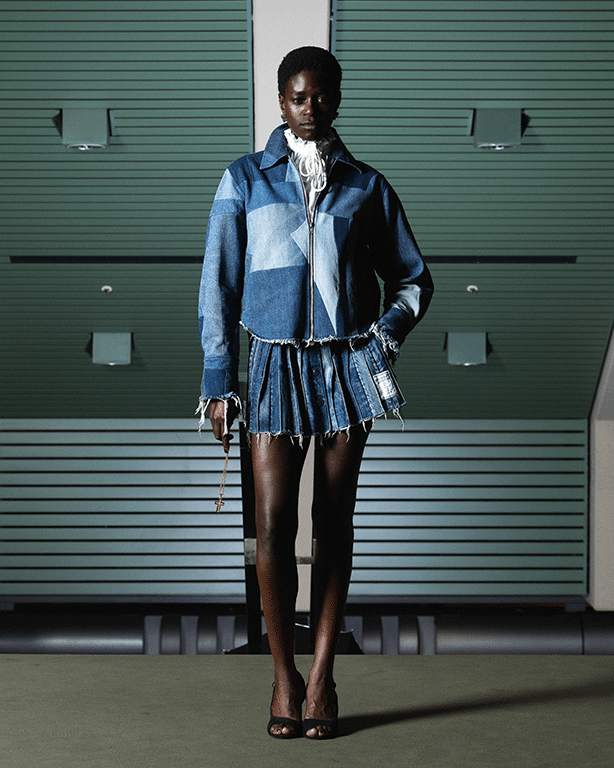
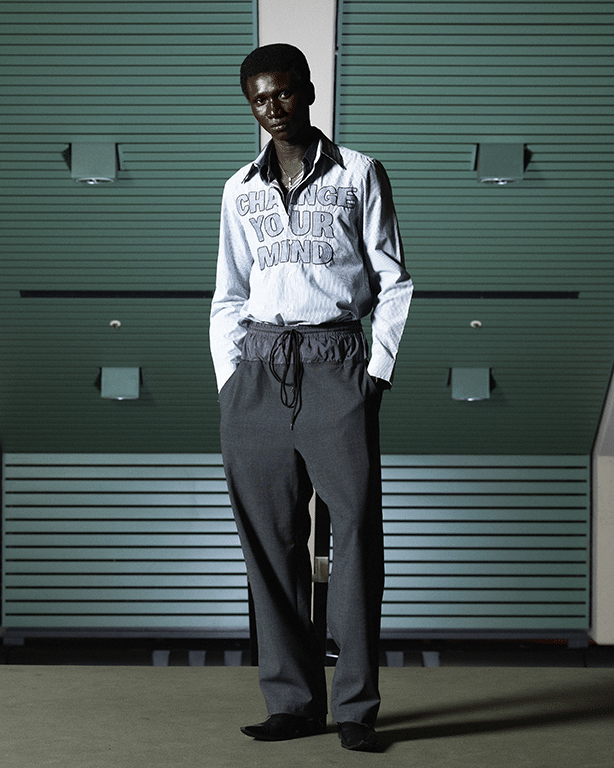
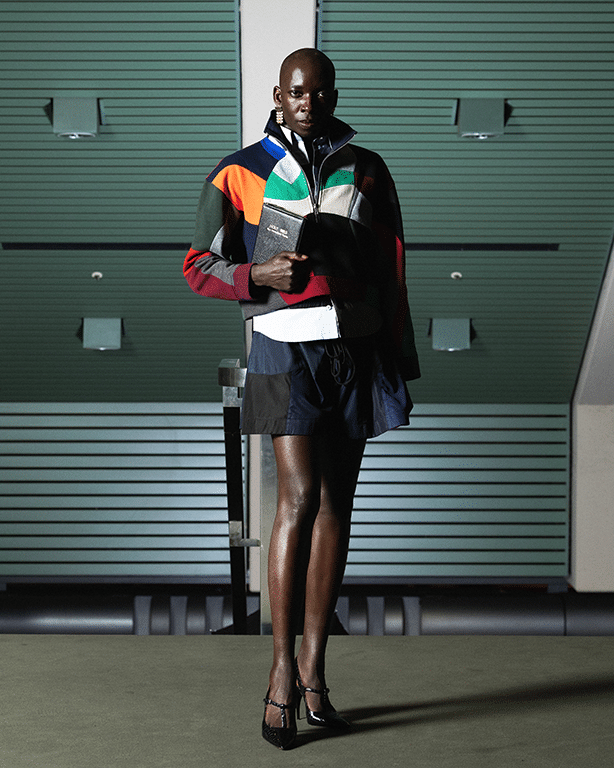
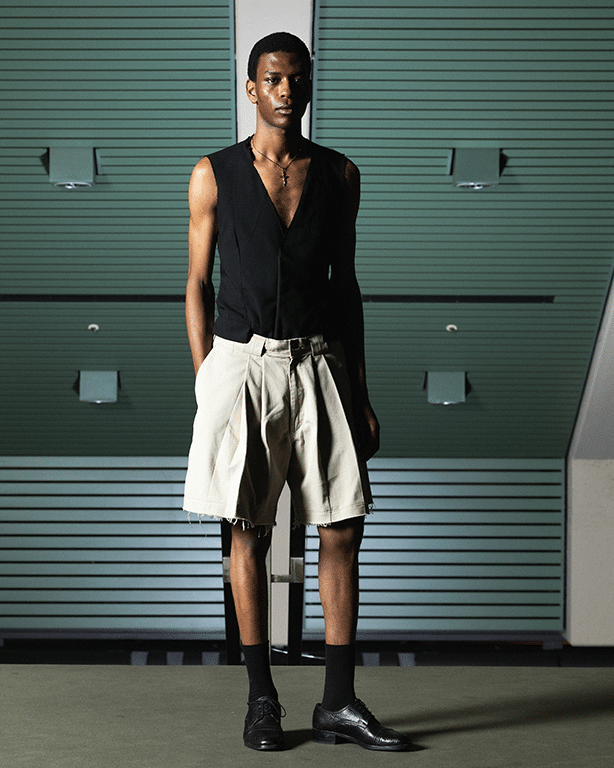
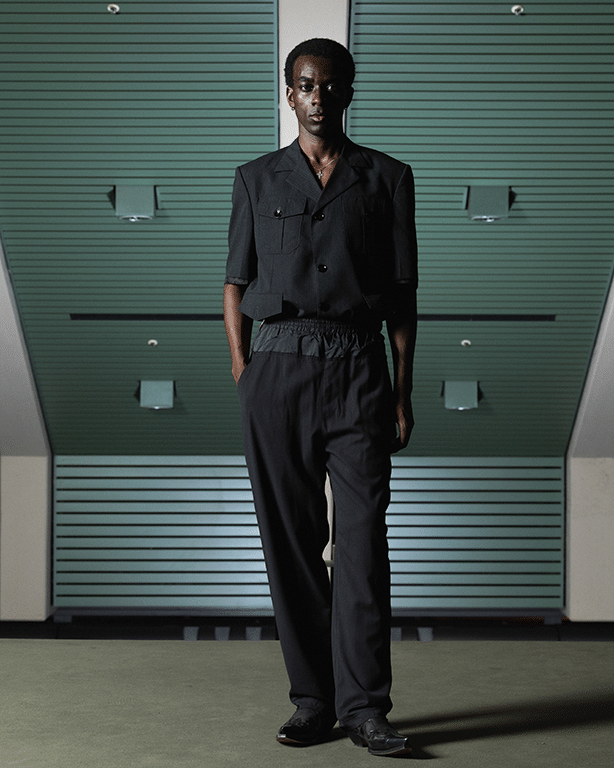
Buzigahill’s Spring/Summer 2027 collection was photographed by Ken Dumevi, a fashion, beauty and portrait photographer living in Berlin. Casting by Casting Whitecasting, Hair & Makeup by La Biosthetique