
Sports history in Africa and the world over is revisited through the images that survive it. Robust photographs of victory laps, team gatherings, significant political declarations, and expressions of celebration become reference points for future researchers, shaping how generations to come interpret events they may never have witnessed personally. But behind every photograph lies a fundamental question: who made it, and whose perspective did the image preserve?
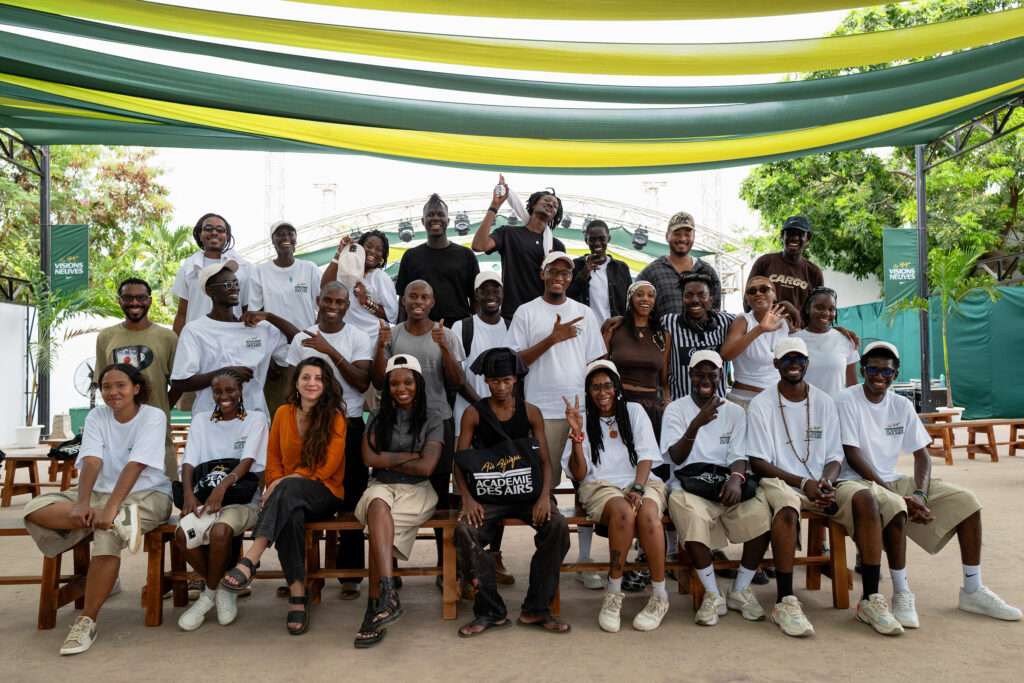
As Dakar hosted the first edition of the world’s largest sporting event on African soil, Nike and Air Afrique introduced Visions Neuves, a cultural initiative exploring the intersection of sports and photography. The project brought together a new generation of photographers to document the sporting culture surrounding the competition through fresh visual perspectives. Specially curated by the Air Afrique collective, nine photographers from diverse backgrounds, all connected to the African continent, were given creative control to document the historic occasion. Each was paired with two emerging Dakar-based photographers, fostering an exchange of ideas, knowledge, and photographic practice. Conceived as an exercise in documenting the present while building an archive for the future, Visions Neuves sought to capture a new generation of sporting and cultural narratives. What took off from October 31 to November 6, the initiative also extended into the city through Académie des Airs, an itinerant local youth programme that brought together legends such as Nafissatou Thiam, Ladji Doucouré, and Carl Lewis. Through conversations, workshops, and sporting activities, Dakar transformed into a meeting ground.
The meeting also brought together a new generation of image-makers: Malick Welli (Senegal), Victor Adéwalé (Nigeria), Jeferson Lima (Brazil), Shammond Shorter (Japan), Jeremy Konko (France), Durimel Brothers (Guadeloupe/USA), Carmen Abdali (Senegal), and Amy Sarr (Senegal). Their participation situated the project within a broader conversation about the future of photographic authorship and the representation of African sporting and cultural life. It raised questions about who gets to document Africa: Who shapes its visual memory, who keeps the archives?
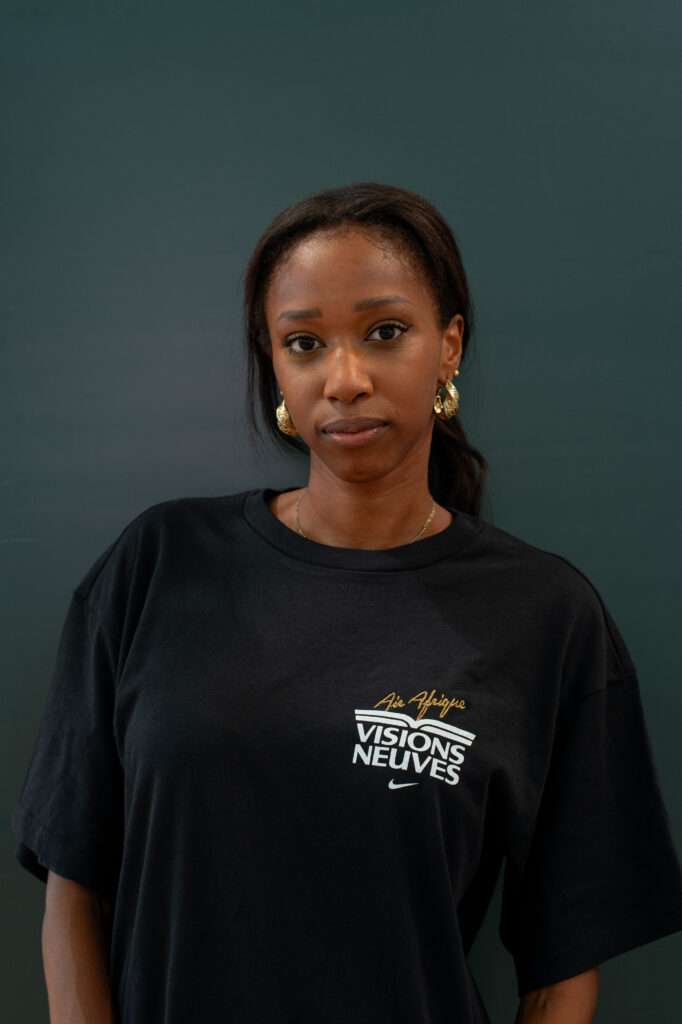
Amy Sarr is a Senegalese, French, and American photographer and director of art, fashion, and music. Basically, she explores the relationship between individuals and the cultural, historical, and social contexts that shape their identities, often engaging with questions of belief, belonging, and human connection. She studied Social Sciences at Sciences Po and Columbia University, developing an approach to image-making informed by anthropological and historical research. In 2024, she completed an MA in Photography at the Royal College of Art, where she received the Artful Dodgers Imaging Award for her graduate project, So Long a Life. That same year, she published her first photobook, Seeking Solitude, which was previewed at Offprint London at Tate Modern. Sarr has exhibited at the Dakar Biennale OFF in 2022 and 2024, as well as at the 1-54 Contemporary African Art Fair. Her work is held in the permanent collection of the Musée de la Photographie de Saint-Louis. Her film, New Wave, received the award for Best Sustainable Fashion Film at the London Fashion Film Festival.
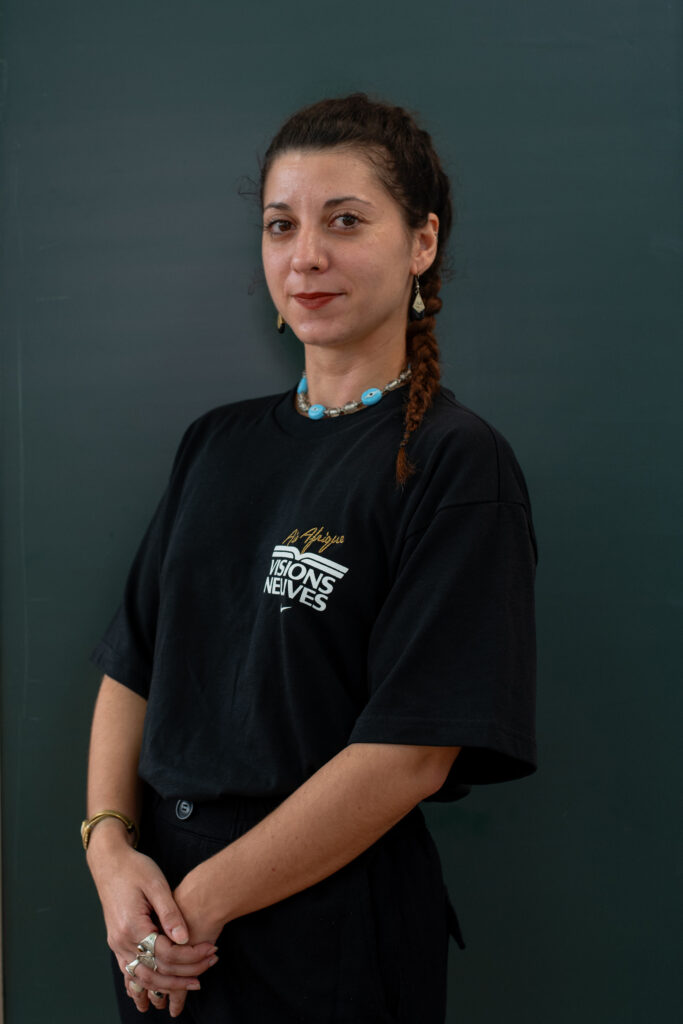
Carmen Yasmine Abd Ali is a Senegal-based photojournalist whose work spans West Africa. Holding a degree in Journalism and a diploma in Documentary Photography and Transmedia Writing, she began her career in 2019 as a freelance contributor to Agence France-Presse (AFP). She has since collaborated regularly with international publications including The New York Times, The Washington Post, and Der Spiegel. Her work has been published and exhibited internationally. Working across portraiture, documentary photography, and field reporting, Abd Ali examines how global political, environmental, and economic forces shape the everyday realities of individuals and communities. Her practice is grounded in sustained engagement, trust, and an approach to storytelling that foregrounds the dignity and agency of her subjects. For Abd Ali, journalism carries a responsibility beyond the delivery of information. At a time when truth is increasingly contested, and public trust in media faces growing pressure, she sees the journalist’s role as one of seeking the truth, bearing witness to overlooked realities, and remaining accountable to both the people whose lives are documented and the audiences who encounter their stories. Her work is guided by the belief that journalism should not only inform, but deepen public understanding of the world and the forces that shape it.
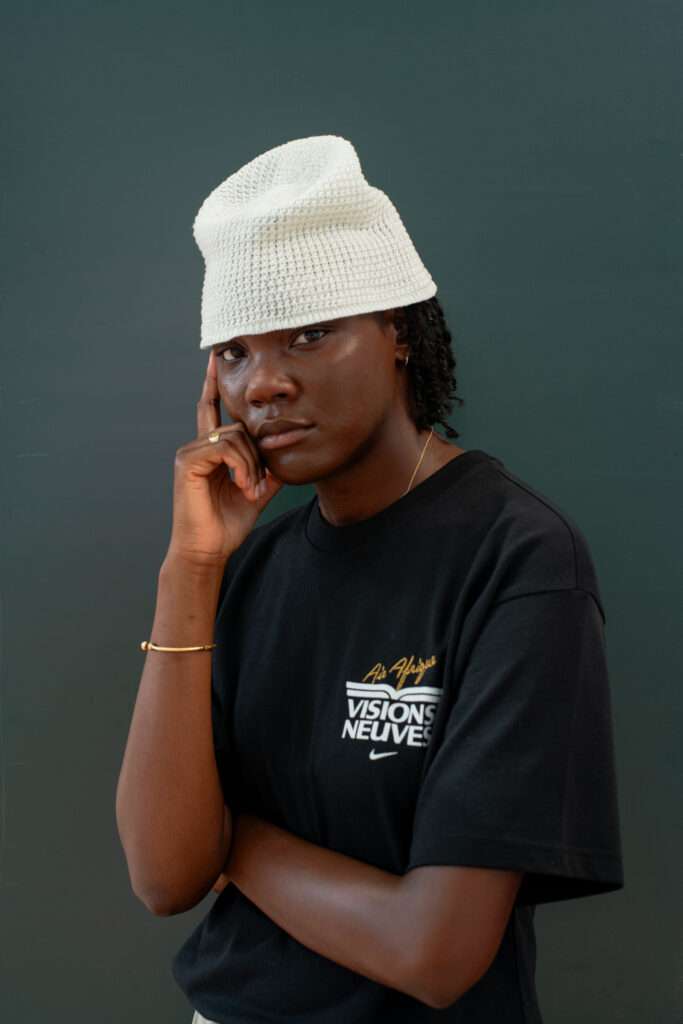
Ashley McLean is a New York-based visual artist and director of photography, film, sound, installation, and text. She examines the relationship between memory, Black subjectivity, family inheritance, and the emotional dimensions of place. Her work considers how personal histories are carried across generations, and how photography can give form to experiences that are often fragmented, intangible, or difficult to articulate. All of it is due to her interest in the relationship between people and their environments, often moving between portraiture, landscape, and domestic space. In her recent work, McLean has turned towards her family’s connection to Guyana, exploring the complexities of return, intergenerational memory, and the ways people construct a sense of belonging through place. Her 2026 project, Between Reverie and Memory, developed following her return to Guyana after twenty-two years, brings together photography, video, recorded conversations, and ambient sound to consider how memory is inherited, recalled, and transformed across generations.
McLean received her BFA in Photography and Video from the School of Visual Arts, studied Fine Arts at Universität der Künste Berlin in 2021, and completed her MFA in Visual Arts at Columbia University in 2026. Her work has been featured in CULTURED Magazine’s 2025 Young Photographers List and shortlisted for the 2026 C/O Berlin Talent Award. She received the 2023 Creator Labs Photo Fund from Aperture Foundation and Google Pixel, as well as the En Foco Photography Fellowship. Her exhibitions include presentations at the Arles Photo Festival, the Dior Photography and Visual Arts Award for Young Talents exhibition, and her 2024 solo exhibition Seeking You in Other Bodies… at Blue Sky Gallery in Portland.
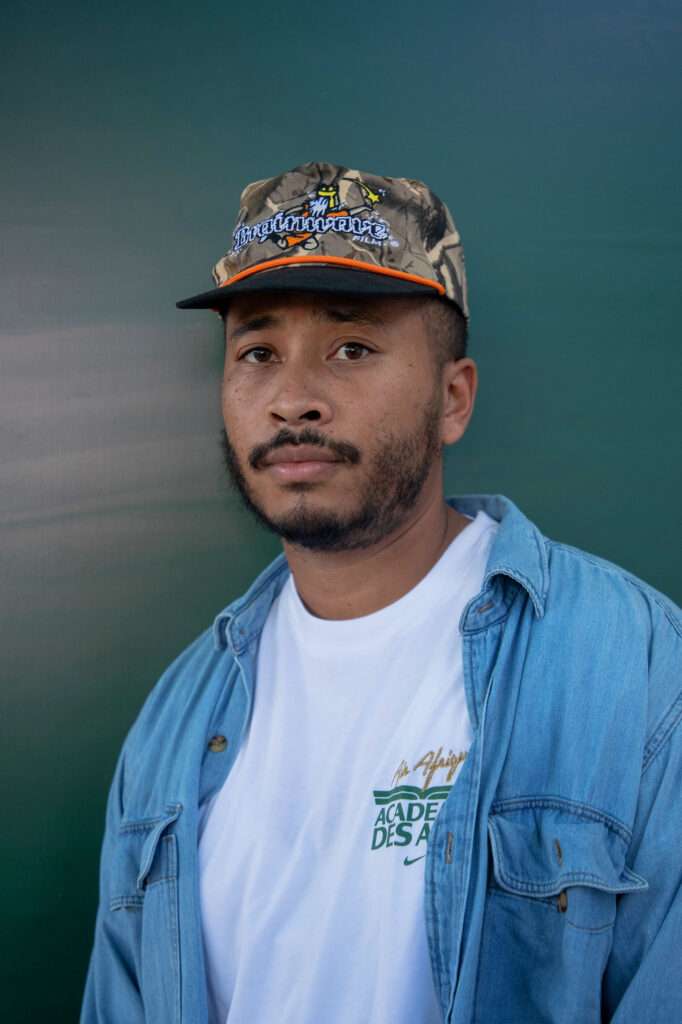
Since beginning his professional career in 2021, Sharmond Shorter has developed a body of work centred on genuine human connection, communities, and the cultural environments surrounding them. He is a Japanese-American photographer based in Tokyo whose practice moves across fashion, music, and contemporary youth culture. He has collaborated with international brands and artists including Gucci, Palace, Nike, BAPE, and AMBUSH, as well as musicians Skepta and A$AP Rocky.
Documenting the sports culture in Dakar was beautiful. Every street, every corner, and every interaction felt like an image waiting to be captured. The vibrant colours of the environment, combined with the chaotic energy and rhythm of the city, created something really special. It was so different from what I’m used to. Rather than directing scenes or forcing images, I wanted to let things unfold naturally.
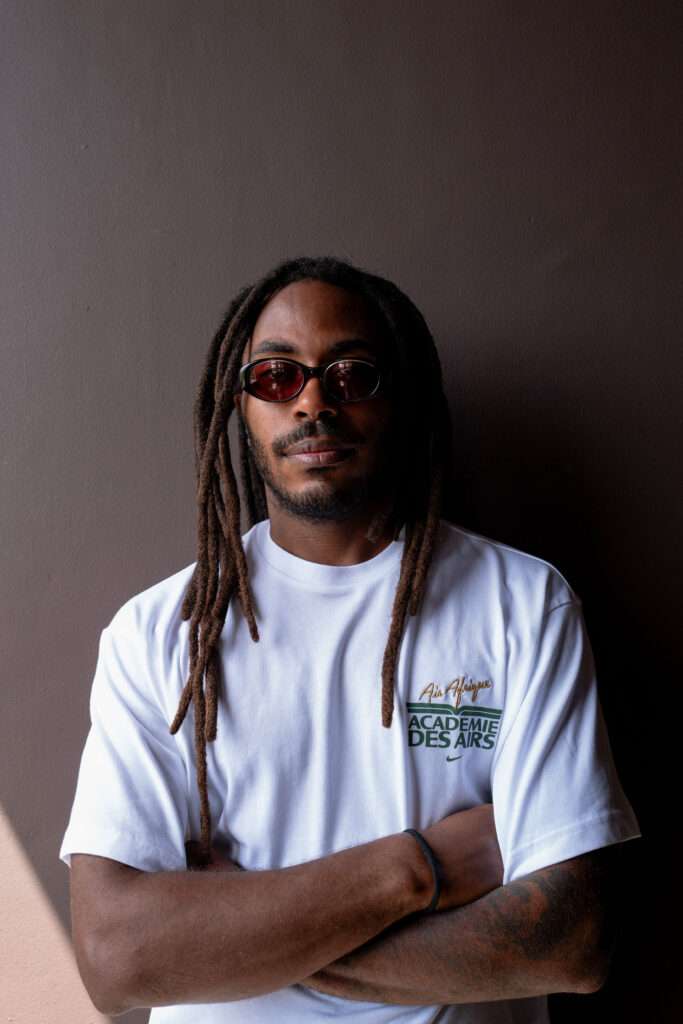
Jeremy Konko was born and raised in Greater Paris to a family originally from the Democratic Republic of the Congo. His practice is informed by the cultural intersections of his childhood, navigating questions of heritage, identity, and contemporary visual culture through photography. Sometimes commissioned and sometimes independent, Jeremy approaches image-making as a means of exploration, aesthetics and the environments that shape collective experience. Jeremy is also responsible for the photographic direction of Air Afrique, where he has played a central role in developing their visual identity. Behind its photographic series, his work contributes to an evolving visual language that draws from African and diasporic perspectives, engaging with fashion, culture, history, and contemporary forms of expression. Through the collective, he participates in the development of an image archive that reflects the collective’s broader interest in documenting and reinterpreting African cultural narratives.
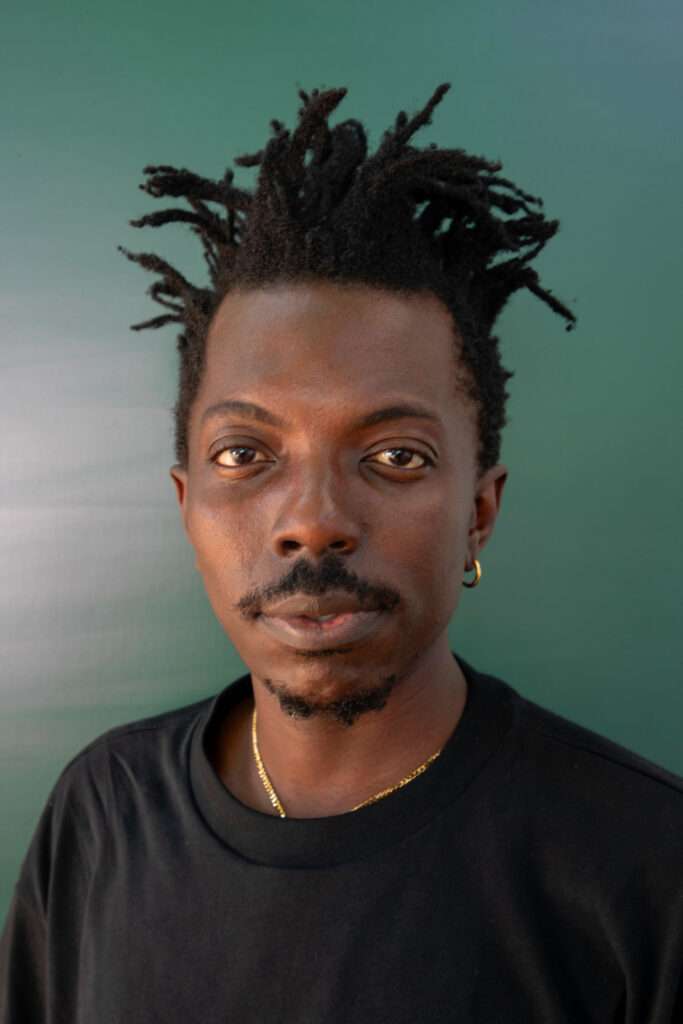
Victor Adewale is a Lagos-based documentary photographer and multidisciplinary artist working across photography, film, and literary expression. Grounded in social and cultural realities, his practice examines contemporary Nigerian life through human-centred narratives, often bringing attention to experiences and perspectives that remain underrepresented in mainstream media. Informed by an early interest in literature and music, as well as his upbringing in Lagos, his work engages with the social and environmental conditions shaping individuals and their communities. His approach to image-making is introspective, using photography as a means of examining the relationship between personal experience and broader social realities. In 2018, he was selected for the Canon Storytelling Workshop at the African Artists Foundation in Lagos. He received the Prince Claus Fund Seed Award in 2021 and the Prince Claus Fund Mentorship Award. He is a National Geographic Explorer and NEWF Fellow, and was named a finalist for the Magnum Foundation Counter Histories Fellowship. His other recognitions include the Foundry Workshop Golden Scarf Award and a nomination for the 2025 Foam Paul Huf Award. More also been featured in OkayAfrica, Bloomberg, and National Geographic Magazine, and exhibited at ART X Lagos and the 2024 Bamako Biennale of African Photography in Mali. His work is also forthcoming at the 2026 Dakar Biennale.
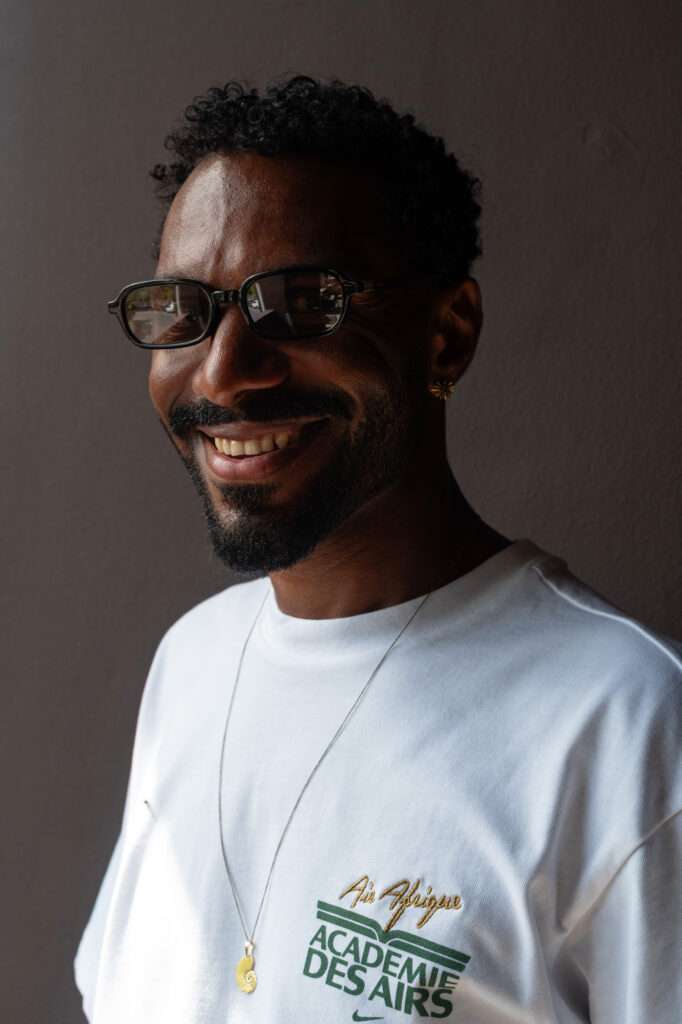
Jeferson Lima, known by the artistic name Karamujinho, is a Salvador-born visual artist whose practice explores Black identity, Afro-Brazilian spirituality, and the cultural legacies of the African diaspora. Working with an expanded photographic language, Jefferson approaches the body as both an artistic surface and a site of cultural memory, using imagery, symbolism, and protective rituals to examine the relationship between embodiment, ancestry, and expression. Drawing from the visual traditions and ritual practices of Bahia’s terreiro communities, Lima develops a distinctive visual vocabulary informed by Afro-diasporic cosmologies and religious expression. His work brings together abstraction, patterns, and figuration, reinterpreting familiar visual elements to explore questions of belonging, healing, and the enduring effects of coloniality. Through this approach, photography becomes a space for cultural reclamation and experimentation, where the body carries histories, spiritual knowledge, and forms of resistance. A Design graduate of the State University of Bahia, Lima was a member of the Photography and Semiotics Research Group, where he developed research into Afro-liturgical representations, an ongoing foundation of his artistic practice. His group exhibitions include ENERGIA: Artistic Presence in the Brazilian-Belgian Landscape at TheMerode, Brussels (2025); DaFé at Centro Cultural Lado B in Rio de Janeiro; Afro-Brasilidade: Uma Homenagem a Dois Valetins e a Um Emanoel at Fundação Getúlio Vargas, Rio de Janeiro (2025); and Ecos Malês at Casa das Histórias de Salvador.
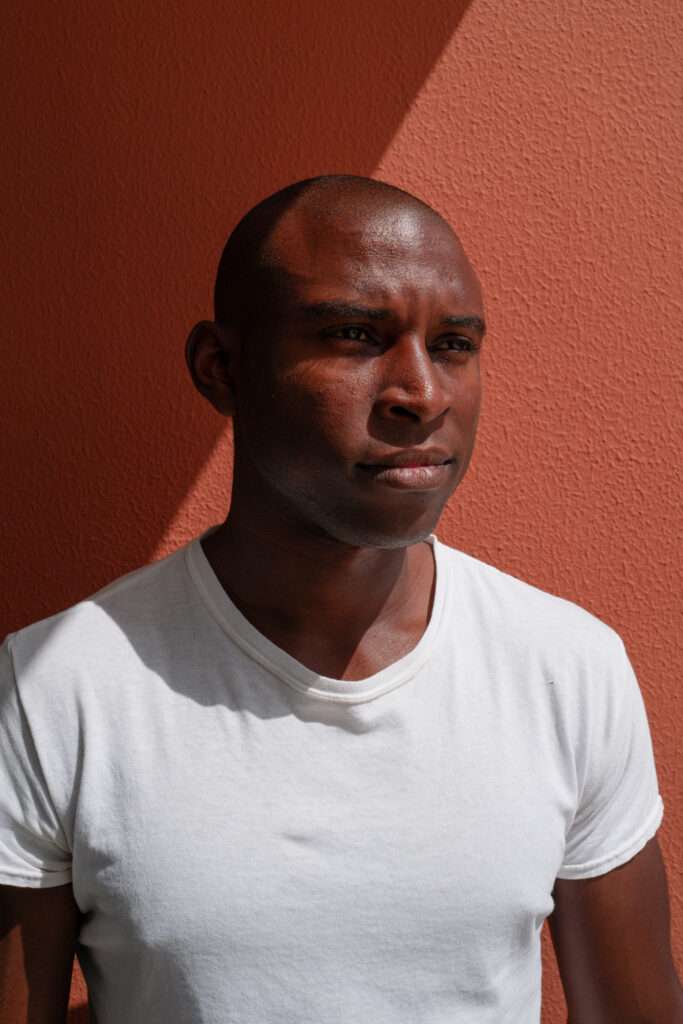
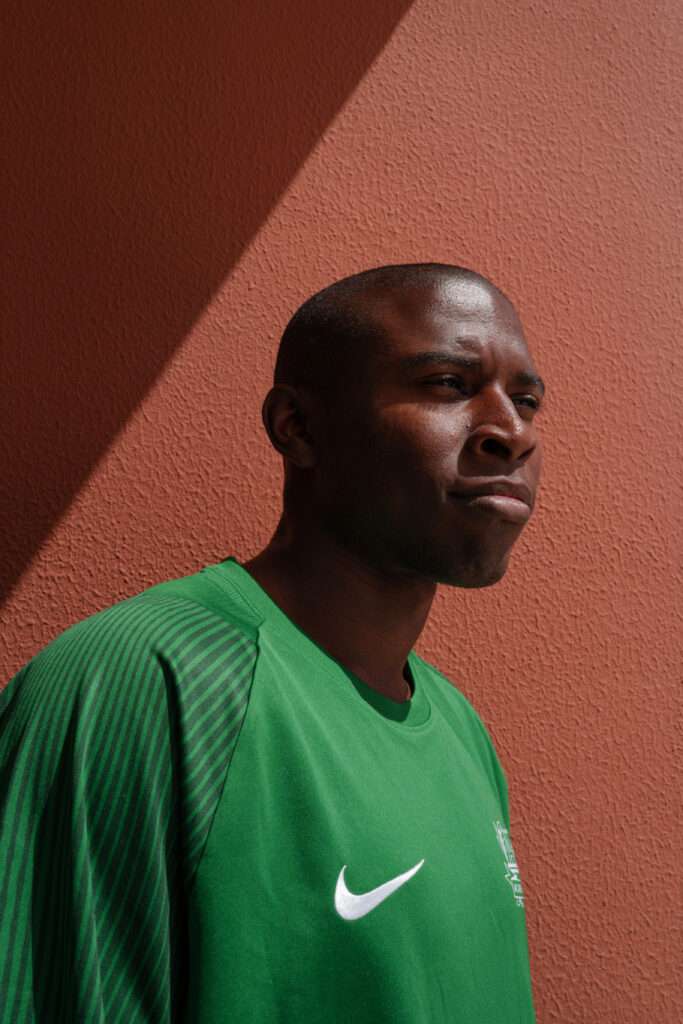
Jalan and Jibril Durimel, collectively known as Durimel, are French-Caribbean twin photographers and filmmakers born in Paris in 1993 and currently based in New York. Raised across Guadeloupe, Miami, and Saint Maarten, their formative years were shaped by an exposure to different cultures, geographies, and visual traditions. Their early fascination with cinema eventually led them to Los Angeles, where they studied film and began developing the foundations of their photographic practice. Drawing from their diasporic upbringing and cinematic influences, the brothers have developed a visual language that moves between fashion, portraiture, and film, often characterised by expressive colour, atmospheric lighting, and carefully constructed compositions. Their work explores the intersections of identity, cultural belonging, and human connection, bringing together different cultural references to create images that move between documentary observation and imagined narratives. They approach image-making as an opportunity to construct visual worlds through which different experiences and cultural identities coexist. Their ongoing interest in the relationship between place, memory, and diasporic identity extends into longer-term independent projects, including Lundambuyu’s Mobility Program and Quiet as the Country, a photographic body of work developed through their engagement with Senegal and Côte d’Ivoire.
The Olympics in Dakar marked an extraordinary historical moment. Beyond the sporting competition itself, it offered an opportunity to reconsider how the African continent was represented, moving beyond stadiums, hoisted flags, and the familiar spectacle of international sport. Visions Neuves assignment extended into the city itself, its streets, neighbourhoods, people, and the everyday cultural life surrounding the games. The initiative drew inspiration from Visions of Eight, the 1973 collective film documenting the 1972 Munich Olympic Games. More than five decades earlier, Senegalese filmmaker Ousmane Sembène had travelled to Munich as one of the filmmakers commissioned to contribute to Visions of Eight. His intended segment, which would have made the project Visions of Nine, was to follow the Senegalese basketball team but never appeared in the final film. The circumstances surrounding its absence remain unresolved. His missing contribution nevertheless leaves an enduring question about authorship and the making of historical records: whose perspectives ultimately find their way into the images through which we remember the world?
The significance of Visions Neuves was not simply that photographers documented a major sporting event in Africa. It was that the project created an opportunity to reconsider who participates in documenting African history, how that history is represented, and what visual material is preserved for future generations. What emerged from Dakar was therefore more than a photographic record of a sporting event. It attempted to document a city, a generation, and a continent through multiple perspectives, contributing to an ongoing reconsideration of how Africa sees itself and, perhaps more importantly, how it wants to be remembered.
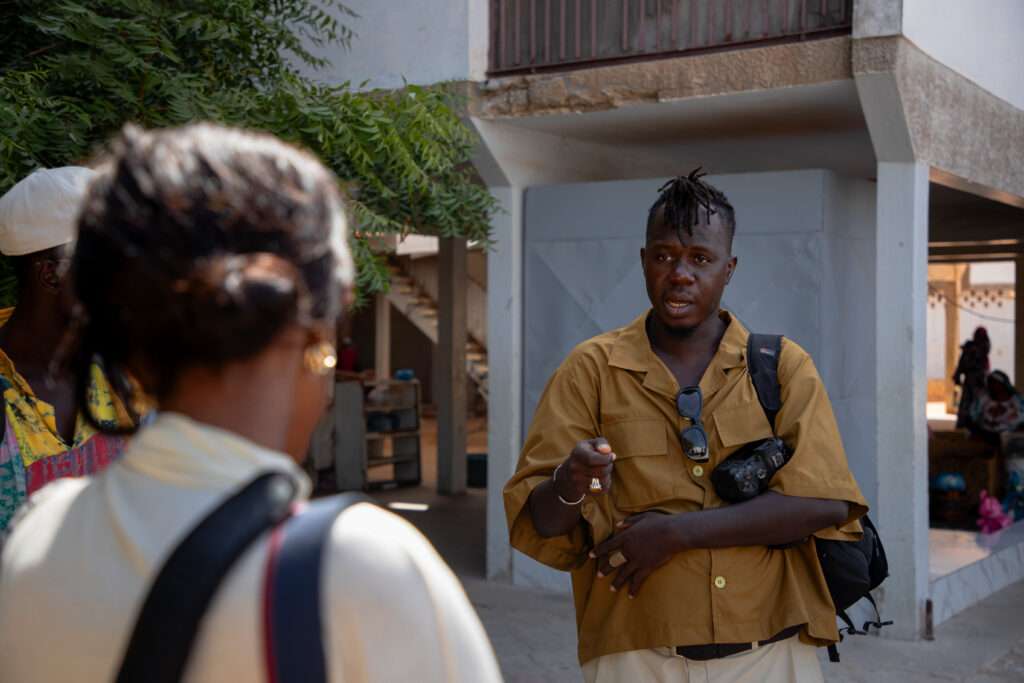
Being part of Visions Neuves offered me an opportunity to look at sport beyond competition and performance. Growing up in Senegal, sport has always been woven into everyday life. It brings people together, creates a sense of belonging, and reflects something deeper about our culture and collective identity. What I appreciated most about Visions Neuves was the freedom to approach these stories through our own perspectives, with each photographer bringing a different sensibility to a shared experience. My interest was in paying attention to the moments that might otherwise go unseen, but which reveal so much about who we are and how we live together.
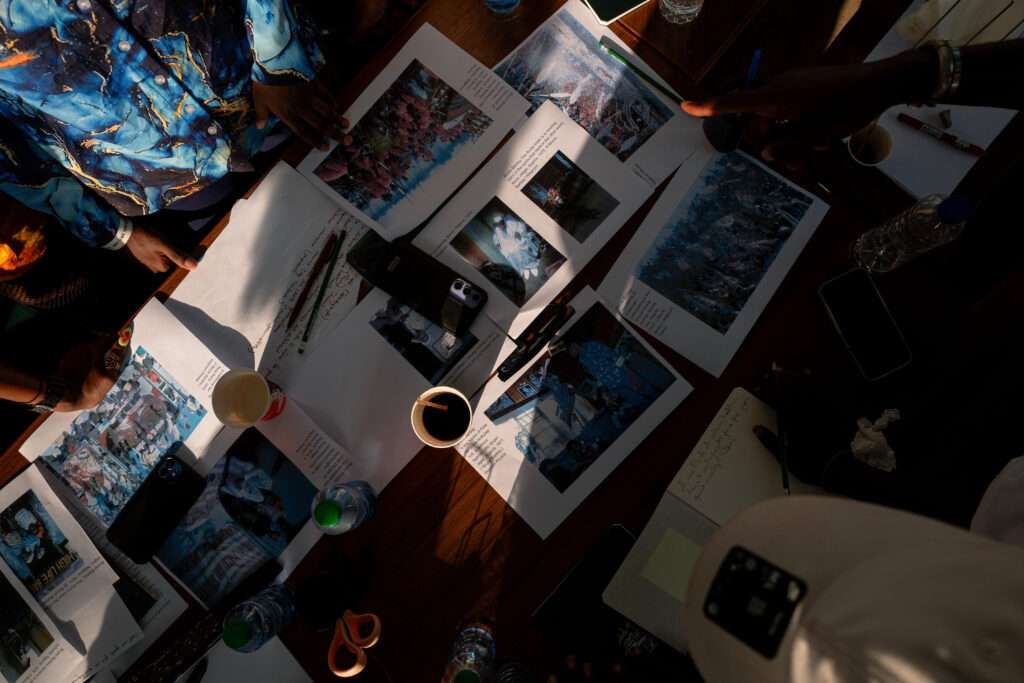
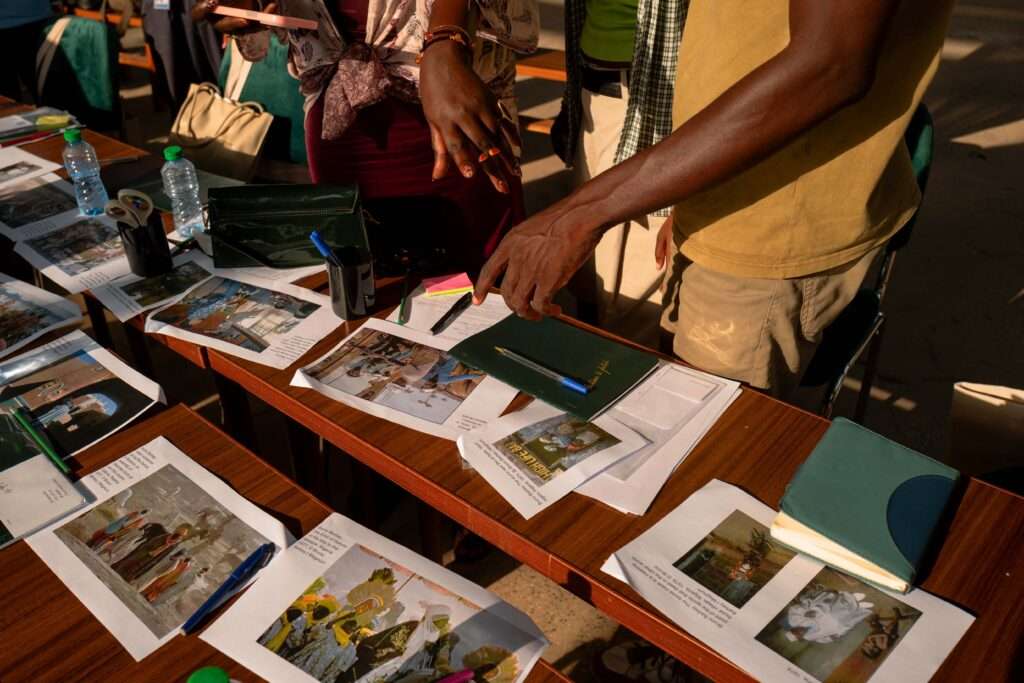
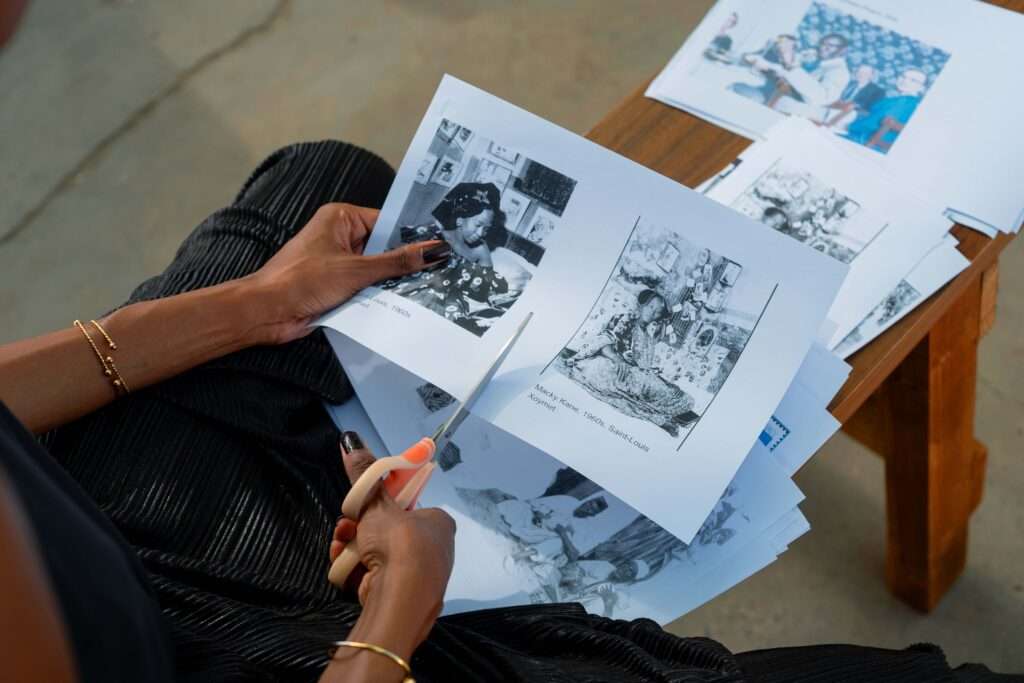
Photo Credit: Bizen Gabiz