
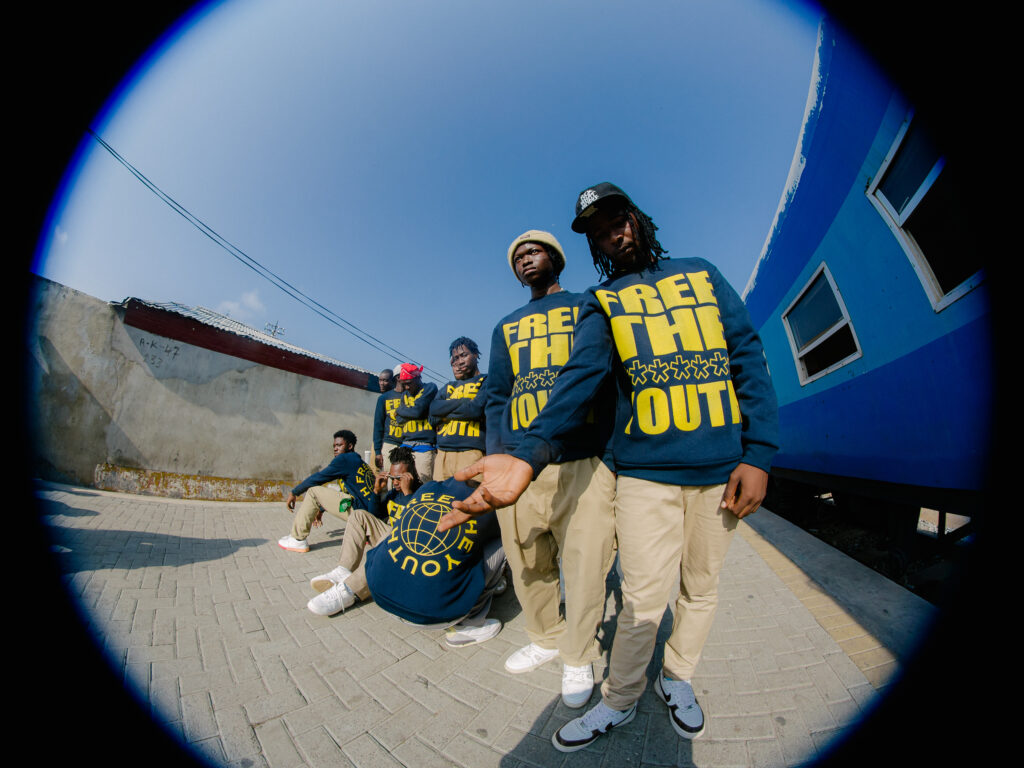
For those watching the rising pulse of African streetwear culture, Free The Youth is more than a label, it is a manifesto disguised as fashion, a quiet yet forceful repositioning of black youth identity on its own terms. On a sunny day in Tema, four friends, driven by their love for style and a desire to recast their surroundings through an honest lens of youth culture, stitched together what would become a generational statement. What began as simple snapshots of friends in bold looks and local streets evolved into a movement that resonates across continents. There are movements that announce themselves with noise, and there are movements that take shape quietly until suddenly the world realises it has been orbiting around them. Free The Youth belongs to the latter category. Emerging from the coastal city of Tema, the collective has evolved from a group of friends experimenting with clothes into one of the most influential fashion voices shaping West Africa’s cultural renaissance. Yet calling Free The Youth a “streetwear brand” simplifies what is, in truth, a shifting, fluid ecosystem of creativity, language, and generational identity. Free The Youth operates with the awareness that clothing is never just clothing; it is a vocabulary of rebellion, belonging, aspiration and memory. Their pieces often appear deceptively familiar, hoodies, graphic tees, denim, accessories, but the charge they carry is unmistakably Ghanaian, unmistakably contemporary and unmistakably youth-led. Through colour, typography, slogans and silhouettes, they weave a narrative of a generation negotiating its place in a world where tradition and globalisation collide, overlap and sometimes merge. What makes Free The Youth extraordinary is not simply its aesthetic, but its philosophy of cultural authorship. The collective recognises that Africa has been styled by outsiders for too long, photographed, appropriated, marketed and interpreted through foreign lenses. Their work challenges that history not through confrontation, but through ownership. They craft imagery that centres the everyday Ghanaian street: barbershops, trotro stations, football fields, unfinished buildings, small markets, rooftops, dance circles. They frame these spaces not as backdrops but as iconic stages worthy of global attention. By doing so, they shift the gaze, proving that the raw poetry of Accra street life can exist in the same cultural conversation as Tokyo, New York, or London. Their visual language is cinematic in its composition yet documentary in its authenticity. A Free The Youth lookbook often reads like a portrait of Ghana written from the inside, a Ghana where the sun hits skin like lacquer, where denim hangs heavy with attitude, where gold jewellery glints against shades of melanin the fashion world is still learning how to honour. Their models rarely look posed; they look lived-in, as if caught in the middle of laughter, negotiation, flirtation, or everyday hustle. This fluidity is the point. Free The Youth presents Ghanaian youth culture not as a spectacle, but as a continuum.
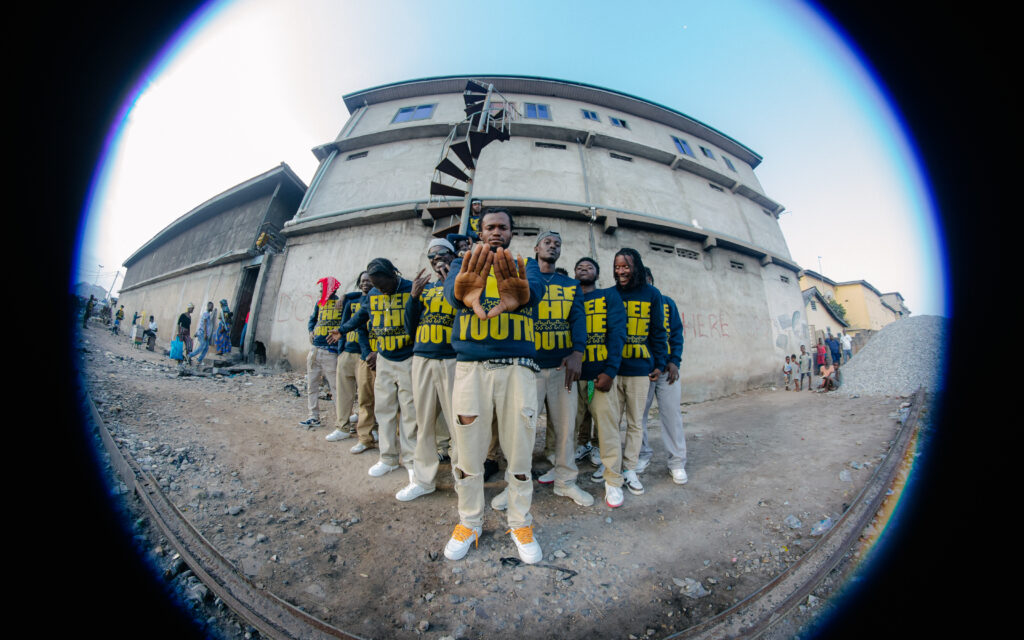
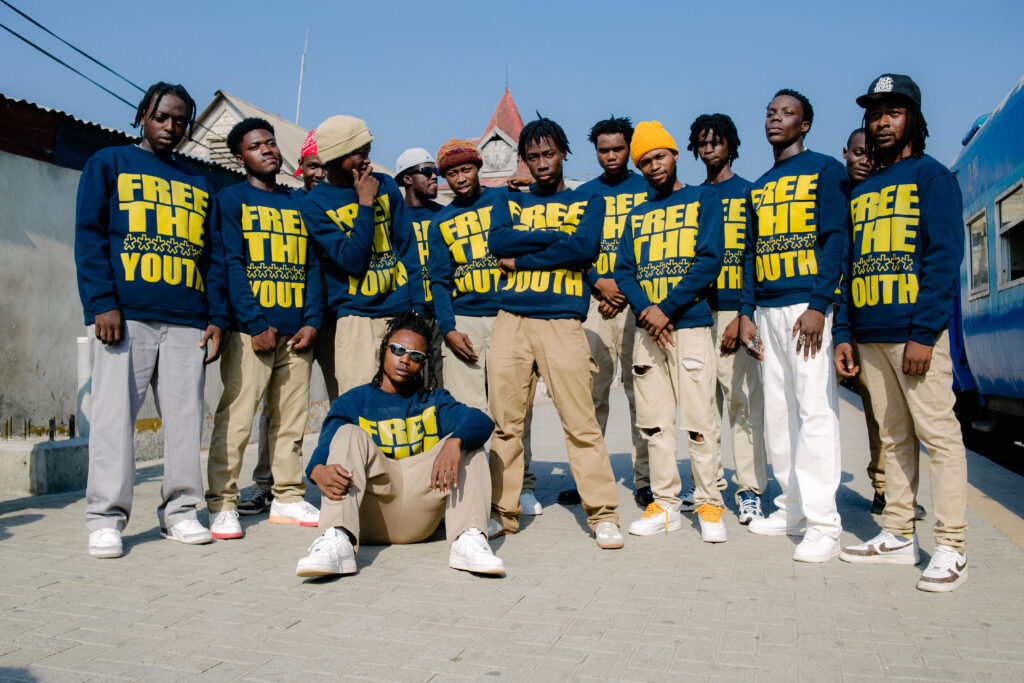
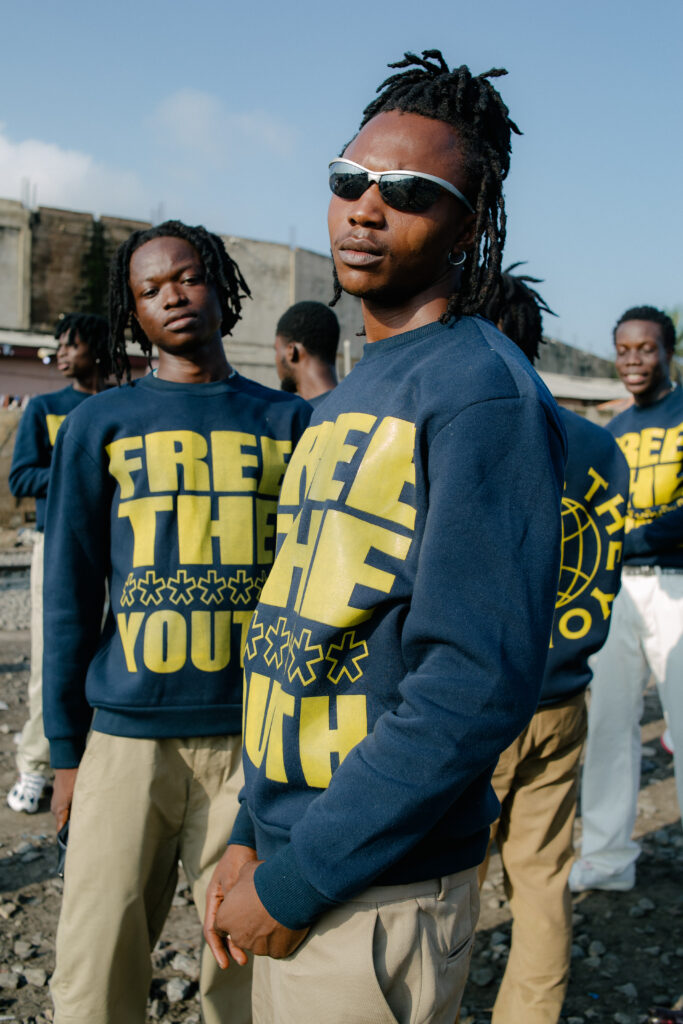
At the heart of the collective’s success is a deep understanding of community as a creative engine. Free The Youth is not structured like a traditional brand with a single founding figure. It behaves more like a cultural lab, artists, stylists, photographers, designers, musicians and skate crews moving in and around it, feeding its energy, expanding its edges. Ideas are tested in real time on the streets, in conversations, in music studios, in clubs, and on road trips across Ghana. This porousness gives the collective an elasticity rare in fashion; it evolves quickly without losing its centre of gravity. This centre is the Ghanaian youth experience itself: restless, ambitious, globally attuned yet fiercely local. Free The Youth translates this tension into clothing that carries an almost archival weight. Their garments are time capsules of a generation that refuses to be simplified, young people who speak Twi and English in the same sentence, who idolise Virgil Abloh and Fela Kuti with equal devotion, who skateboard under tropical heat, who negotiate digital and street economies simultaneously, who hold tradition lightly but respectfully. There is a subtle intelligence in the way Free The Youth engages with global fashion. The collective does not chase validation from the West; instead, it builds work that is so rooted, so self-defined, that the world gravitates toward it organically. Their collaborations and international features feel like consequences of their authenticity rather than strategies for visibility. They have entered global fashion conversations not as subjects, but as contributors, artists exporting a worldview, not a trend.
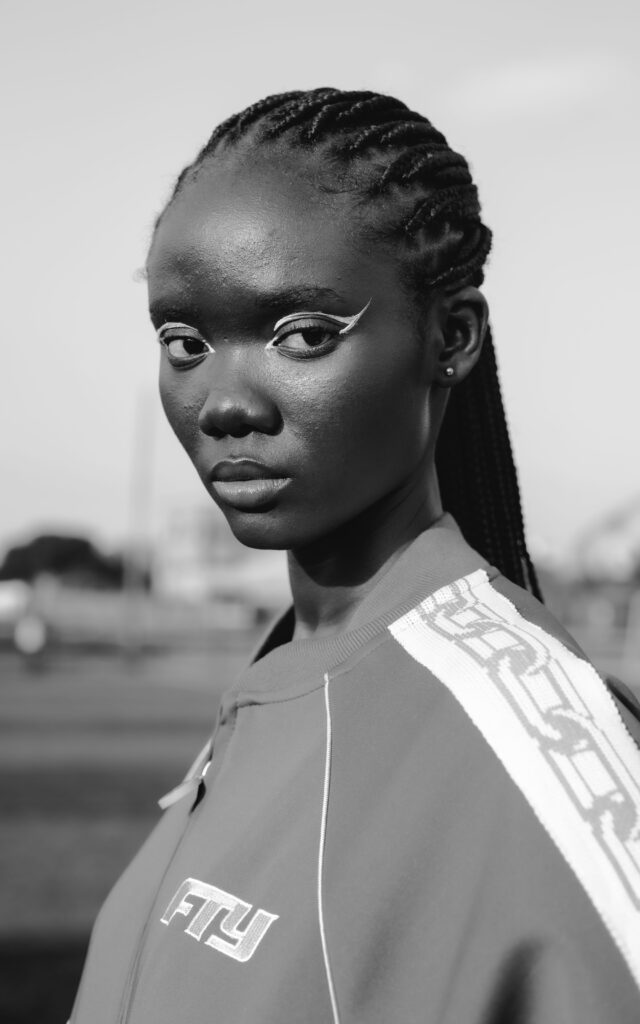
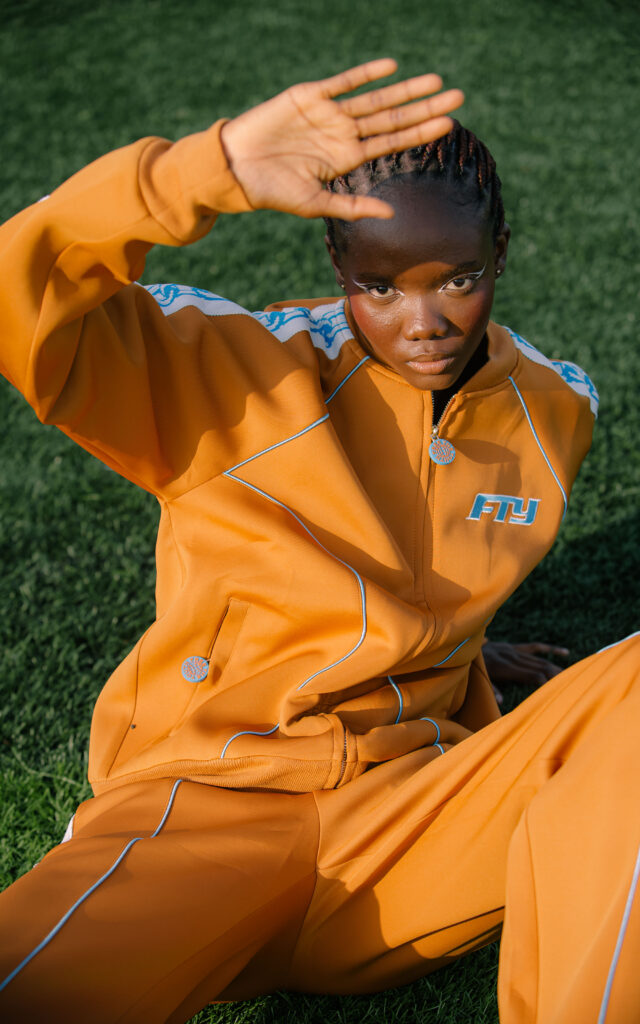
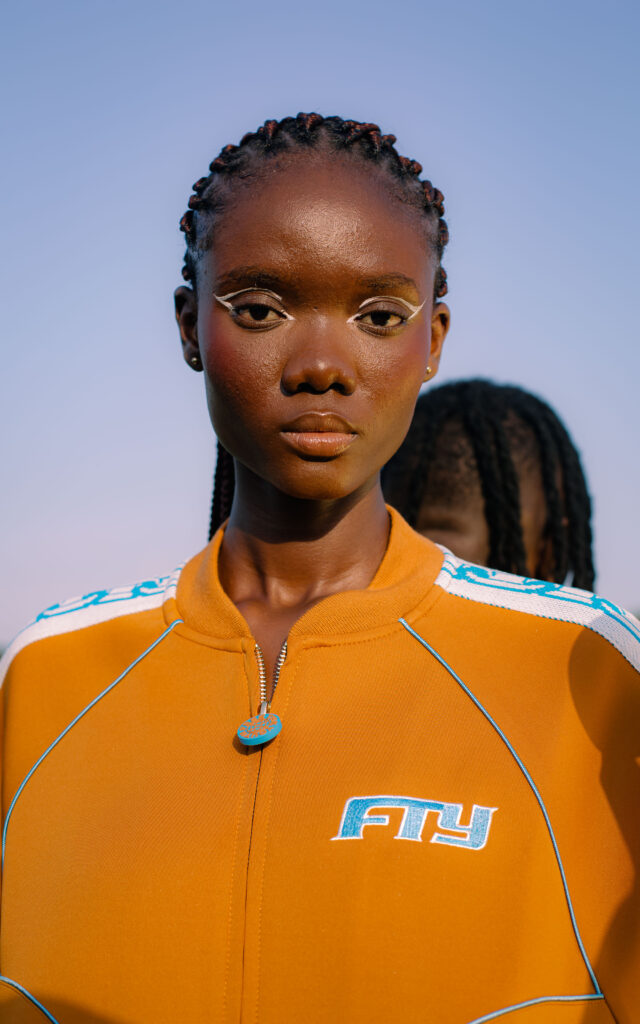
The sophistication of Free The Youth lies in its refusal to flatten African youth into a single narrative. Their images and designs present a multi-layered portrait: Ghanaian youth as stylish, as political, as humorous, as unpredictable, as intellectual, as defiant, as joyful, as ordinary and extraordinary at the same time. They reclaim space for this complexity, pushing against the binary where Africa is either romanticised or pitied. Instead, they situate their community at the centre of an evolving global culture where Blackness is self-defined and self-directed. Ultimately, Free The Youth represents a new kind of cultural leadership emerging from the continent, one that understands the power of aesthetics, storytelling and community-building as intertwined forces. Their work suggests that fashion can be more than a garment; it can be an act of authorship, an assertion of identity, a rewriting of how a generation sees itself and how the world sees that generation. In the world they are crafting, streetwear becomes a language of liberation. It becomes a space where Ghanaian youth are not just represented, they represent themselves. And in doing so, they redefine what it means to be young, African, creative and unafraid to hold the future in your hands.
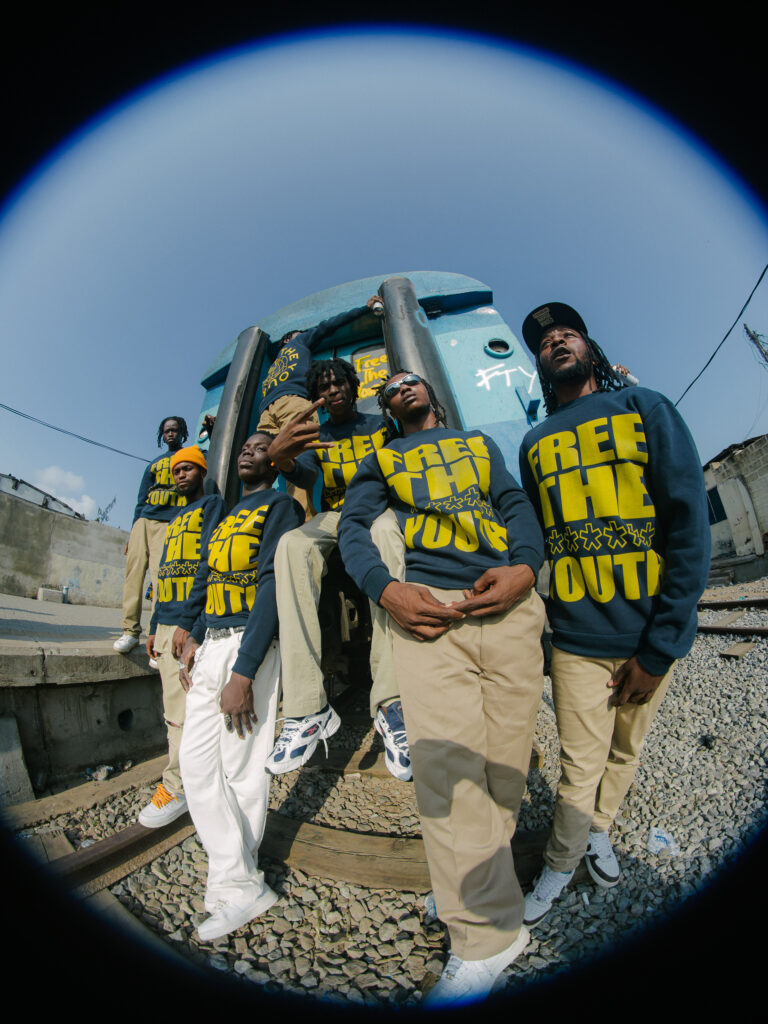
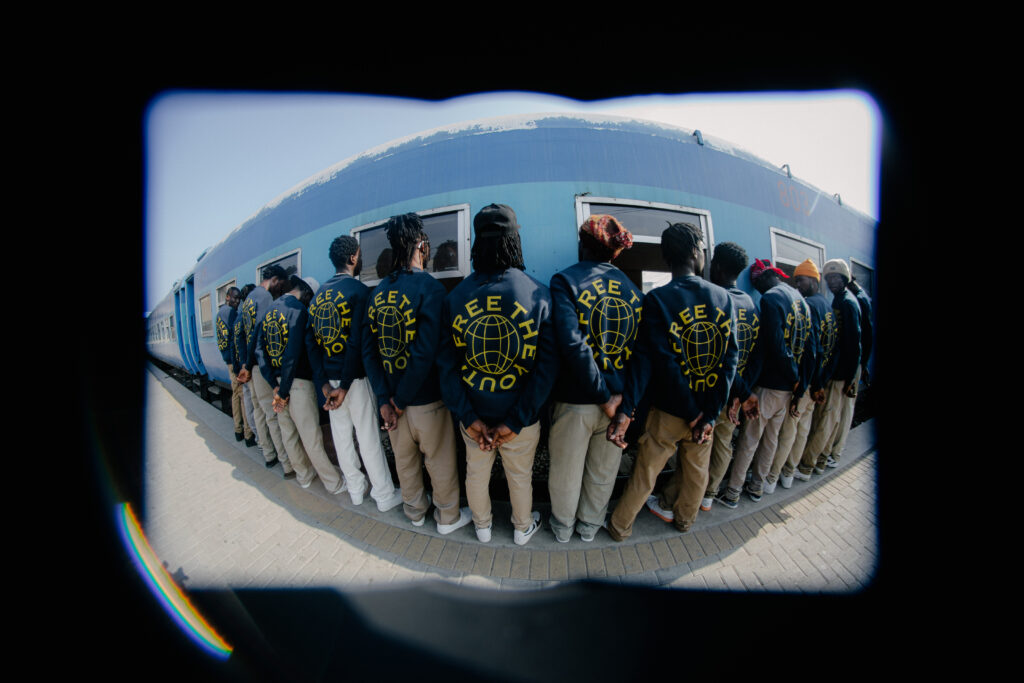
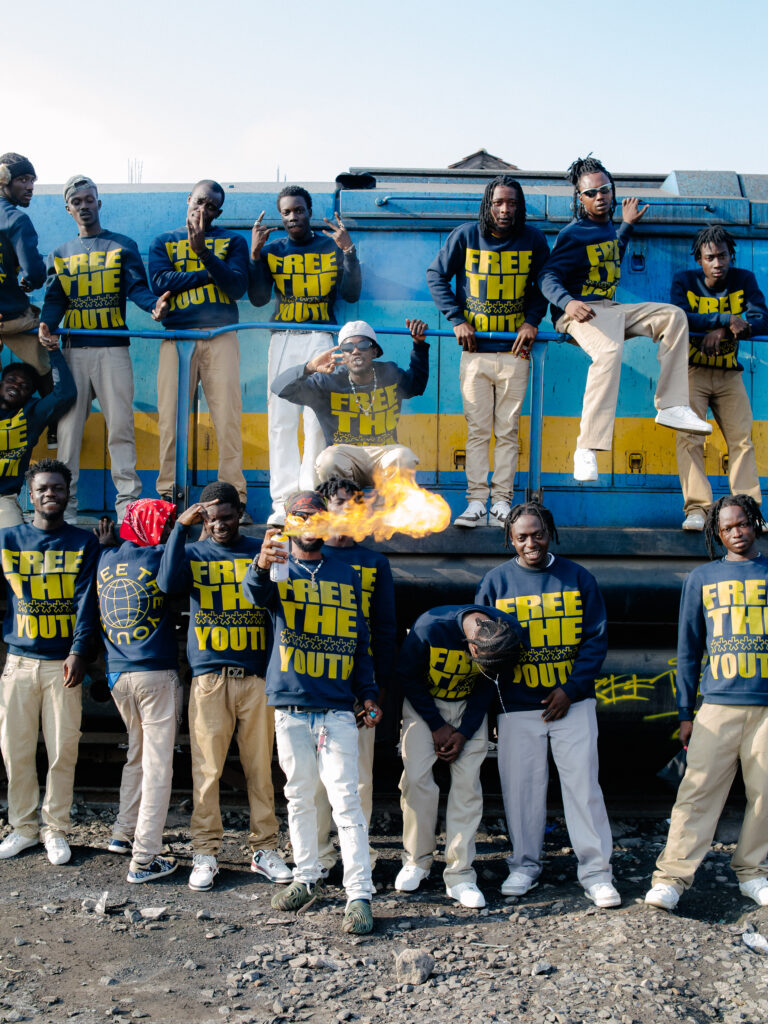
Photograhy by Phillip Boakye