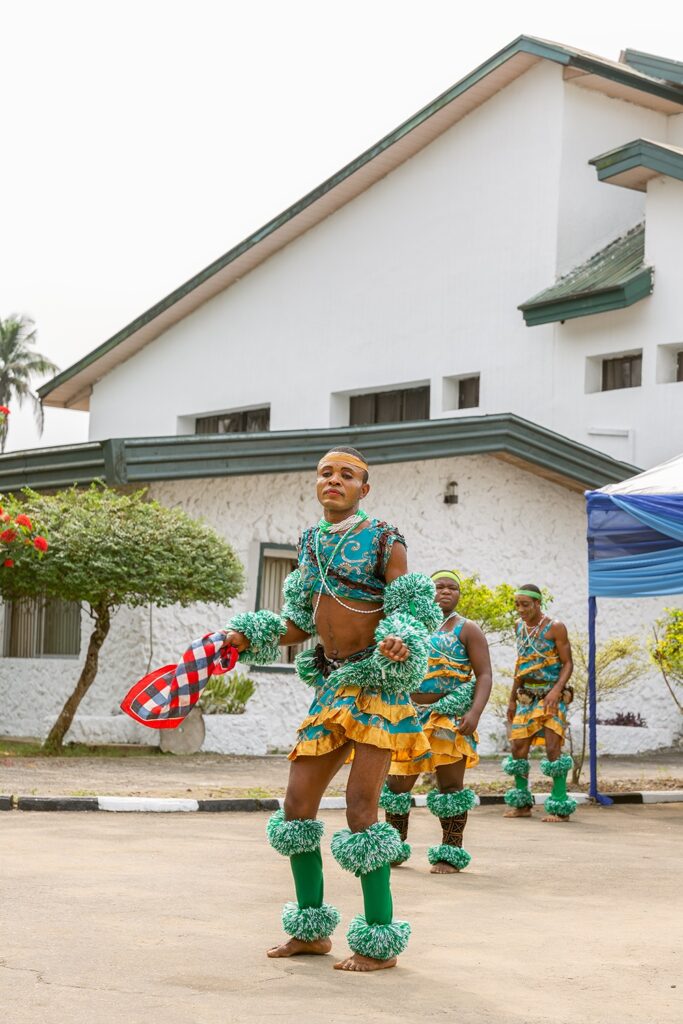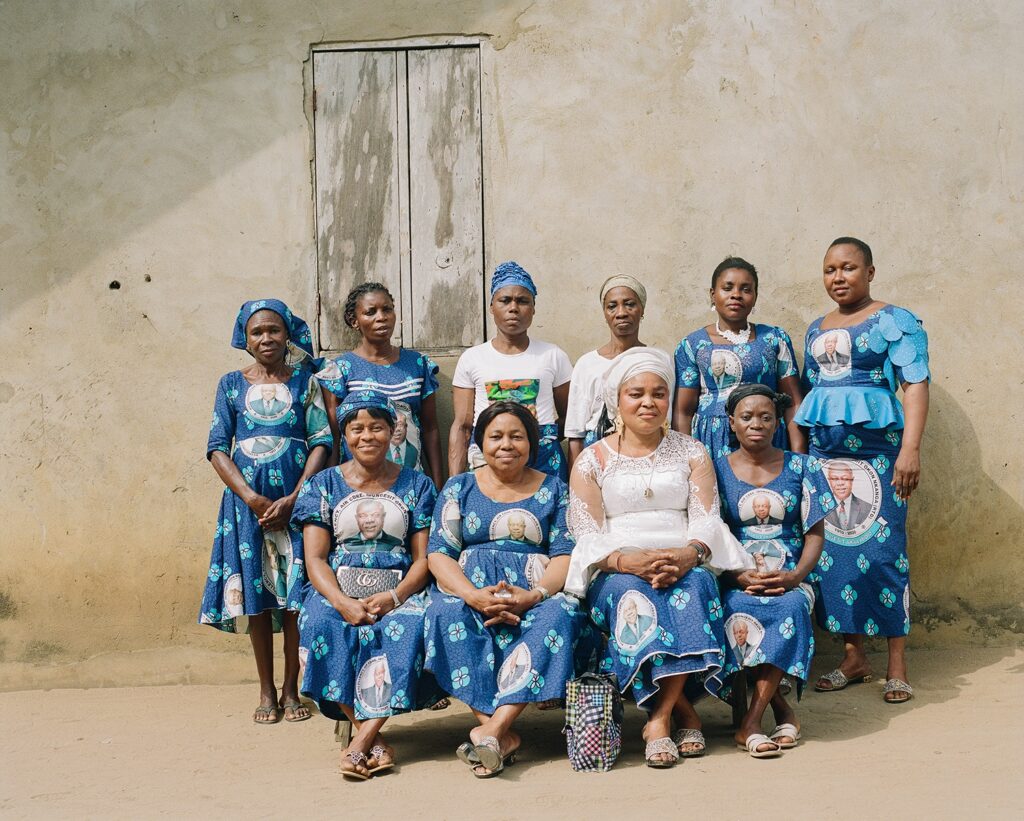
Returning home is always a complicated relief, a burden lifted just enough for the real burden to reveal itself. As creatives, we carry very clear reasons for staying away; home can feel distant, familiar yet edged with danger, memory, expectation. So when a photographer chooses to go back, it is rarely neutral. It becomes an act of negotiation, a quiet confrontation with the place that made you and the parts of you that tries to understand it. Unyọñ Ufọk sits exactly in that region. In this project, Emily Nkanga uses photography not only as documentation, but as a way of easing herself back into the rhythms of home, using the camera as both shield and bridge. The work reveals how photographing home can be an excuse to return, a practical way to move through landscapes that once felt too charged, and a means of reconnecting with people and spaces when you’re no longer sure who or what still belongs to you. Through Emily’s lens, going home becomes less about nostalgia and more about re-entry, recognition, and the fragile, necessary work of belonging again. Once again we see the power of a refreshed gaze, not the gaze of an outsider, but of someone returning to origins with new eyes. In Unyọñ Ufọk, Emily Nkanga photographs her home state not as someone assimilated into its everyday rhythms, but as someone rediscovering it. That space between familiarity and re-introduction becomes the emotional spine of the project Unyọñ Ufọk.
Emily Nkanga is a photographer and filmmaker whose work carries a rare emotional clarity. Whether she’s documenting a community rebuilding itself, creating portraits that feel deeply lived-in, or capturing the pulse of Nigeria’s entertainment world, she approaches every subject with honesty, empathy and an artist’s eye for memorable atmospheres. Emily brings a layered sense of identity to her visual storytelling. Her images often reveal what sits beneath the surface, the quiet moments, the subtle tensions, the unspoken intimacy and creative bridge between people and place. Projects like Unyọñ Ufọk, her return to her ancestral home to explore grief and family memory, show her at her most vulnerable and most assured, weaving personal history into a universal narrative of loss, belonging and resilience. Her background in communications, multimedia design and filmmaking gives her photography a cinematic quality. Light, pacing, and narrative structure all play into her still images, making them feel like frames pulled from a much larger world. This sensibility has made her a sought-after voice across both documentary and commercial spaces, with a body of work that moves seamlessly from social realities to music culture to personal storytelling. What stands out most in Emily’s practice is her integrity. She photographs people with dignity and presence, allowing them to be seen on their own terms. Her work isn’t just visually strong, it’s emotionally responsible, culturally grounded and guided by a deep sense of care. Emily Nkanga is shaping contemporary Nigerian photography by insisting that stories can be beautiful and truthful at the same time. And in every image she makes, you feel both her precision and her heart.
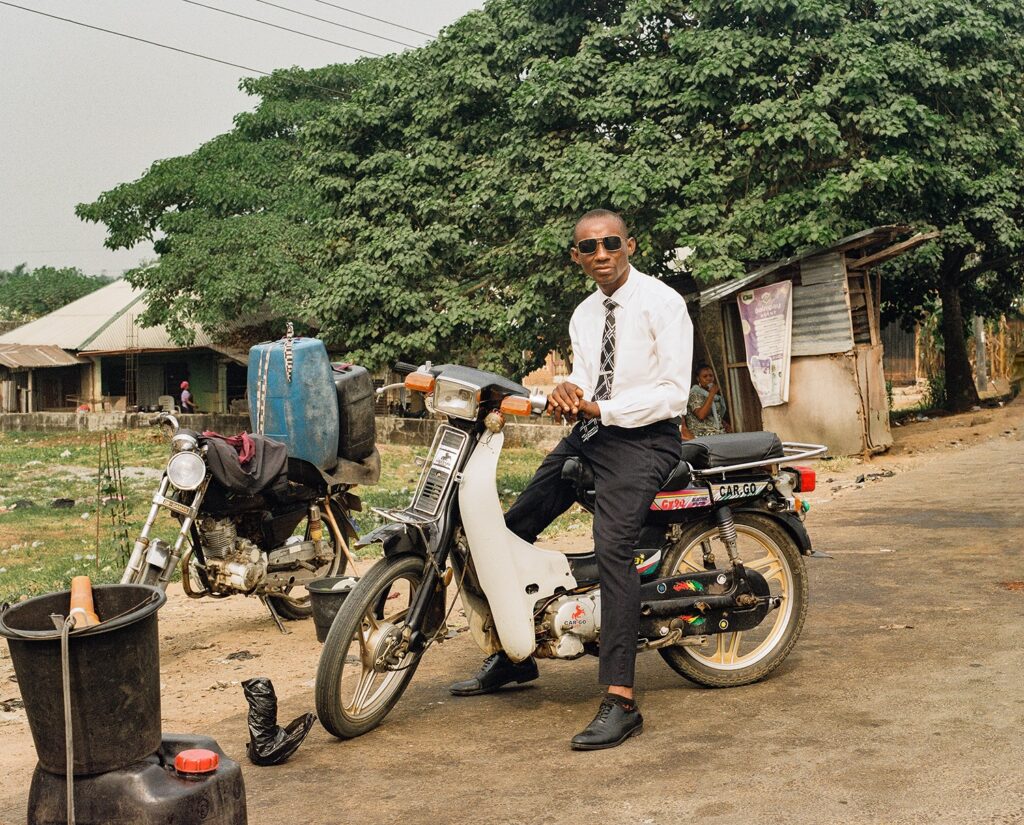
Your career spans documentary work, portraiture and commercial projects. How do you decide which path to take for a particular story?
For me, the story always presents what path will fit best. I answer core questions about the project like when, where, why and that helps me make a decision. I have also found that it can be a mix of these three which is always fun to build.
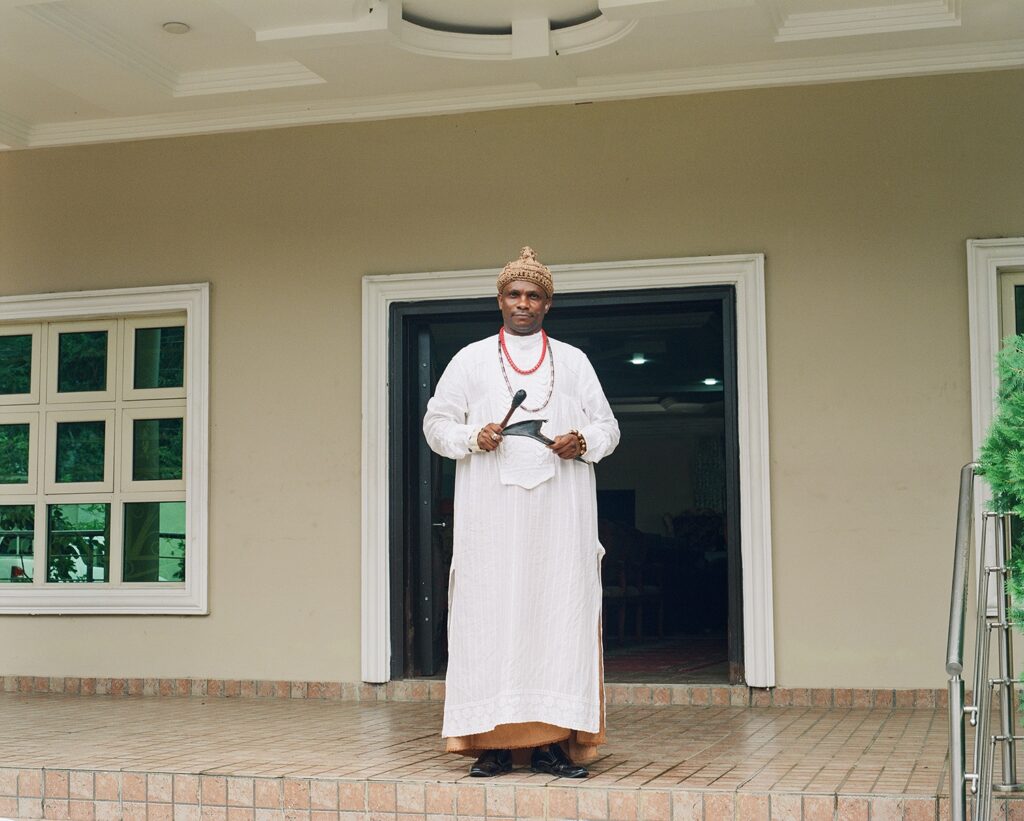
In your project Unyọñ Ufọk, you returned to your home state and documented life, grief, and memory in a personal way. How did that return to origin shift your perspective as an artist and influence your creative process?
Creating this project helped me pause, reflect about my choices as an artist and the kind of artist I would like to be. It helped me think deeply and purposefully about those choices. I met a lot of people and learnt a lot of new things in the process which shaped my connection to reality. It was beautiful.
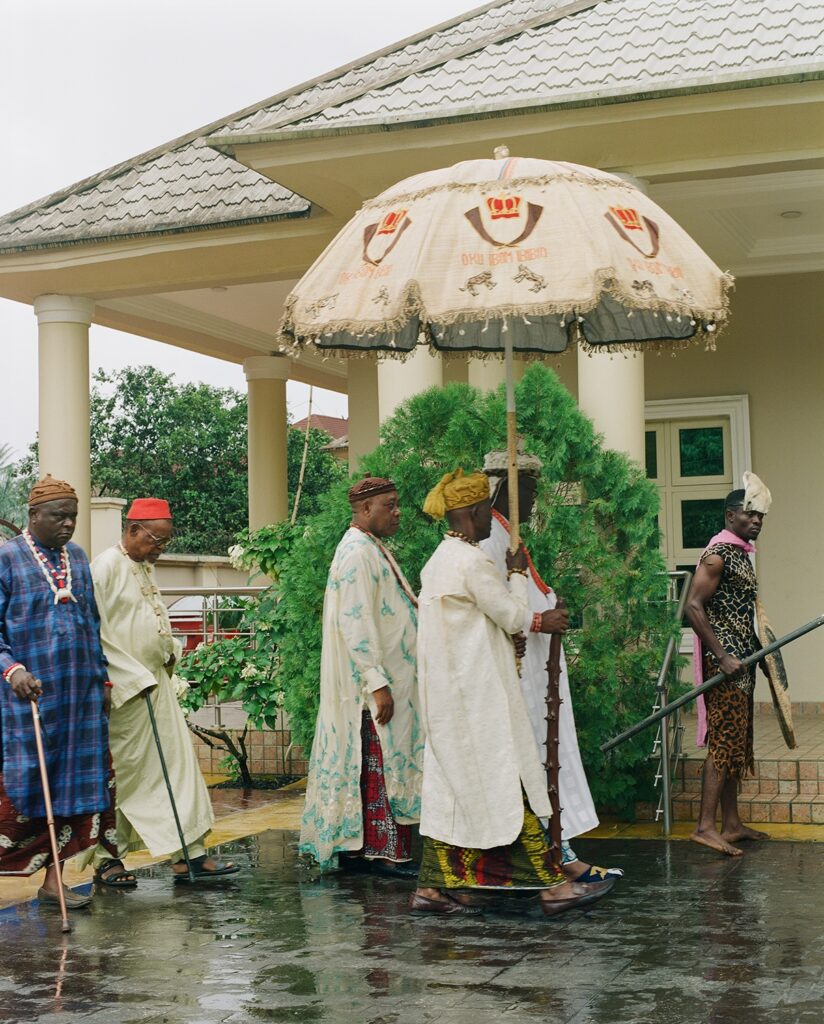
How did you find photography, to the point of studying it, is there a story behind the lens?
I went to Uni to study communications/multimedia design and discovered photography along the way. I discovered it as a potential career path in my freshman year from exposure to and conversations with other creatives/photographers. Prior to that, I just had a point-and-shoot camera like most people then for documenting family and holidays.
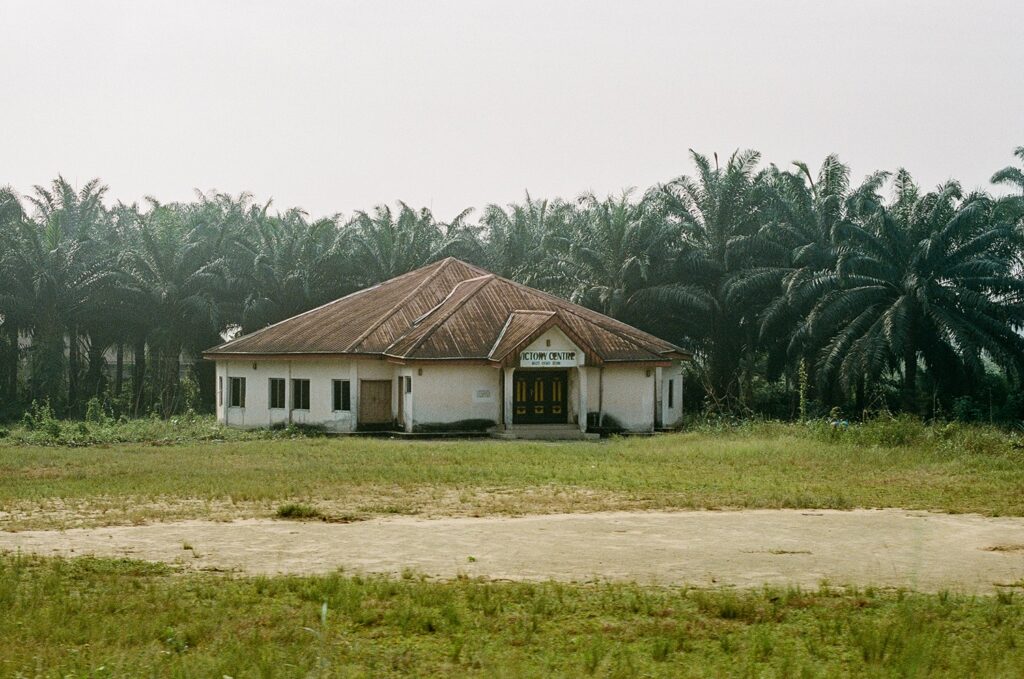
In your own words, what do you consider to be a “good photo”?
I would say an image that makes you think or feel. Either about the beauty or the sadness in the world. This could be as a result of well-executed lighting or composition to relay the story/message.
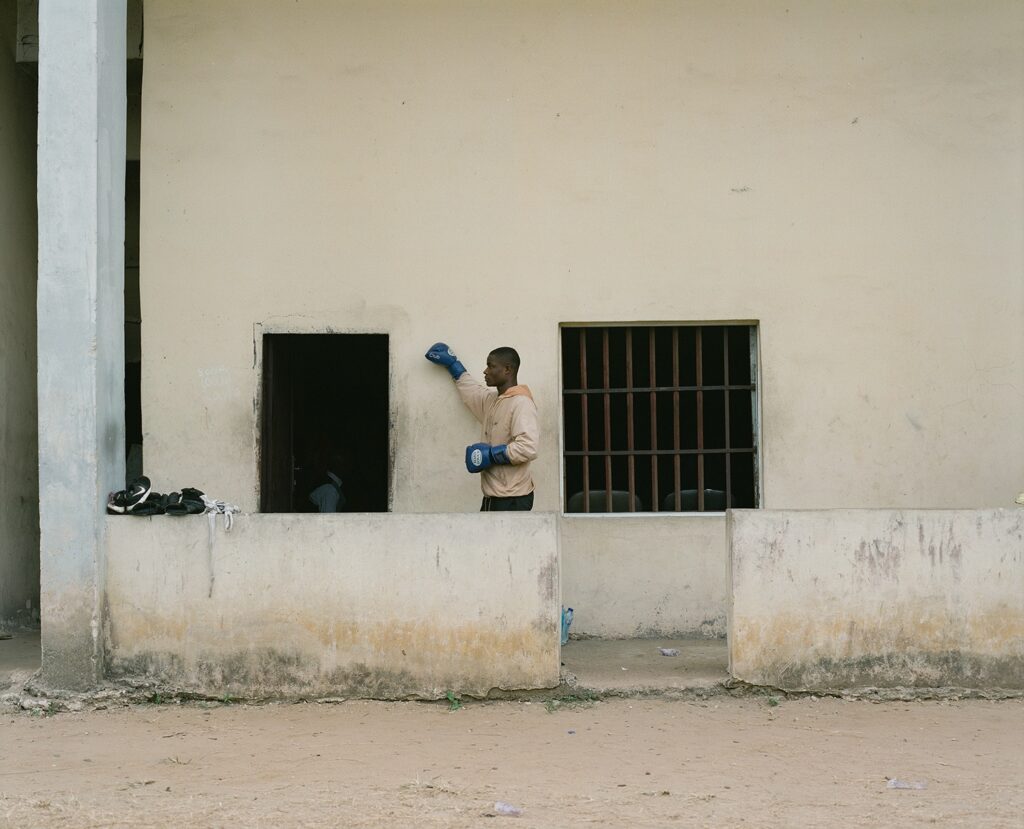
The entertainment industry and documentary/community work sometimes demand very different aesthetics and intentions. How do you balance commercial demand (e.g. music/celebrity photography) with your personal drive for meaningful storytelling?
Everyone loves a story, regardless of the industry, I believe. For me, the beauty is that I’m able to use bits of these different aesthetics to create work, and I always try to. Also I like to do a little bit of this and that, which helps me stay curious.
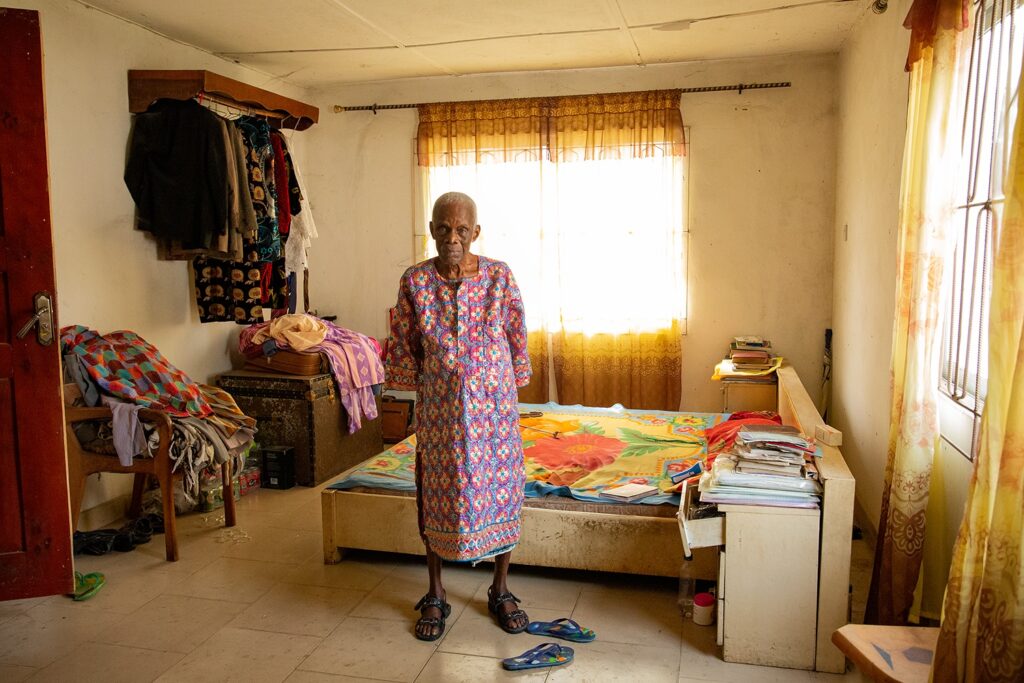
Since you have been home recently, how have you seen Nigeria’s photographic landscape, in documentary, portraiture or visual storytelling, evolve? What do you think remains under-explored or neglected?
I think Nigeria has a fantastic and vastly talented number of creatives, and the landscape is evolving at a great pace. I can’t really say anything is underexplored because you can trust Nigerians to be creative with their thought process. There’s always someone doing something, even in the most unconventional niche.
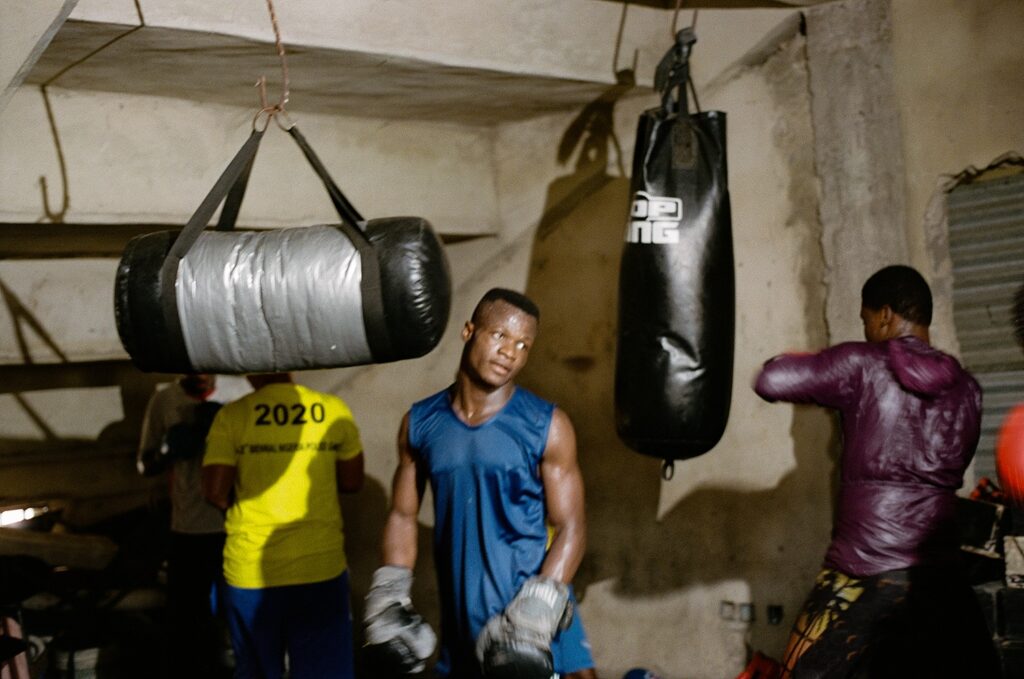
Are there photographers whose work inspire you? And also for young photographers what advice would you give about using photography?
Solomon Osagie Alonge, Marilyn Nance & Joey L. They have such amazing bodies of work. // I’m not one to give advice often but if I have to, I’d say try to use it for good. The world already sees enough darkness.