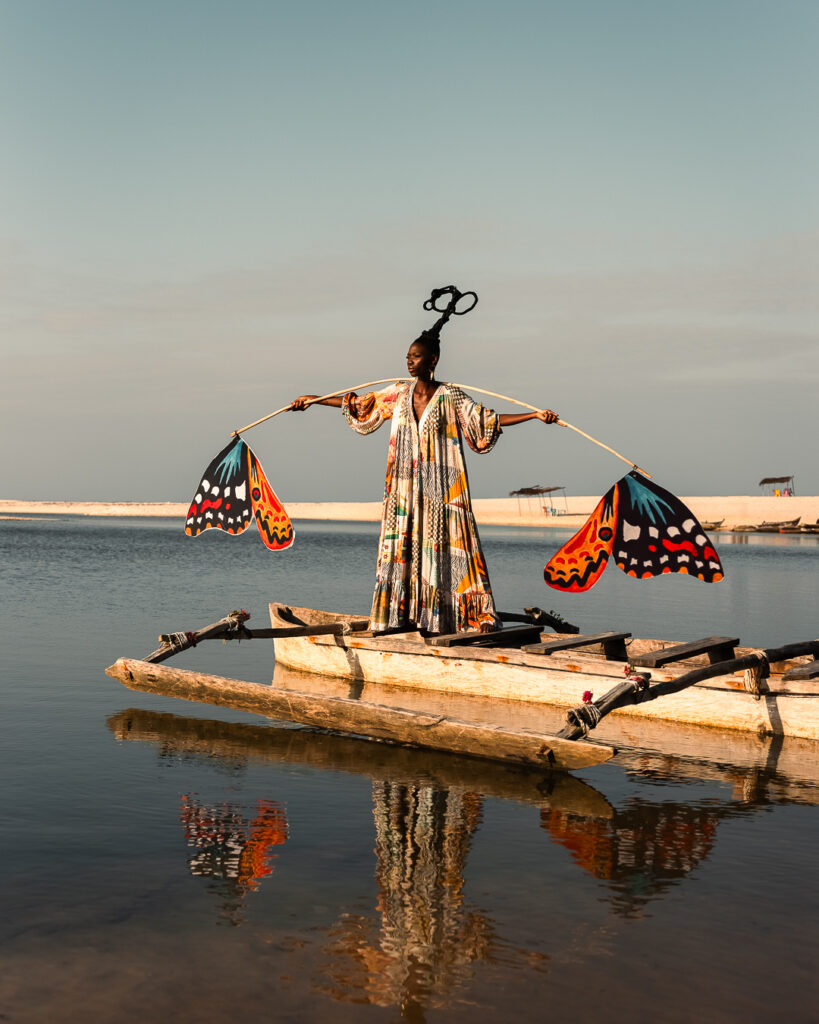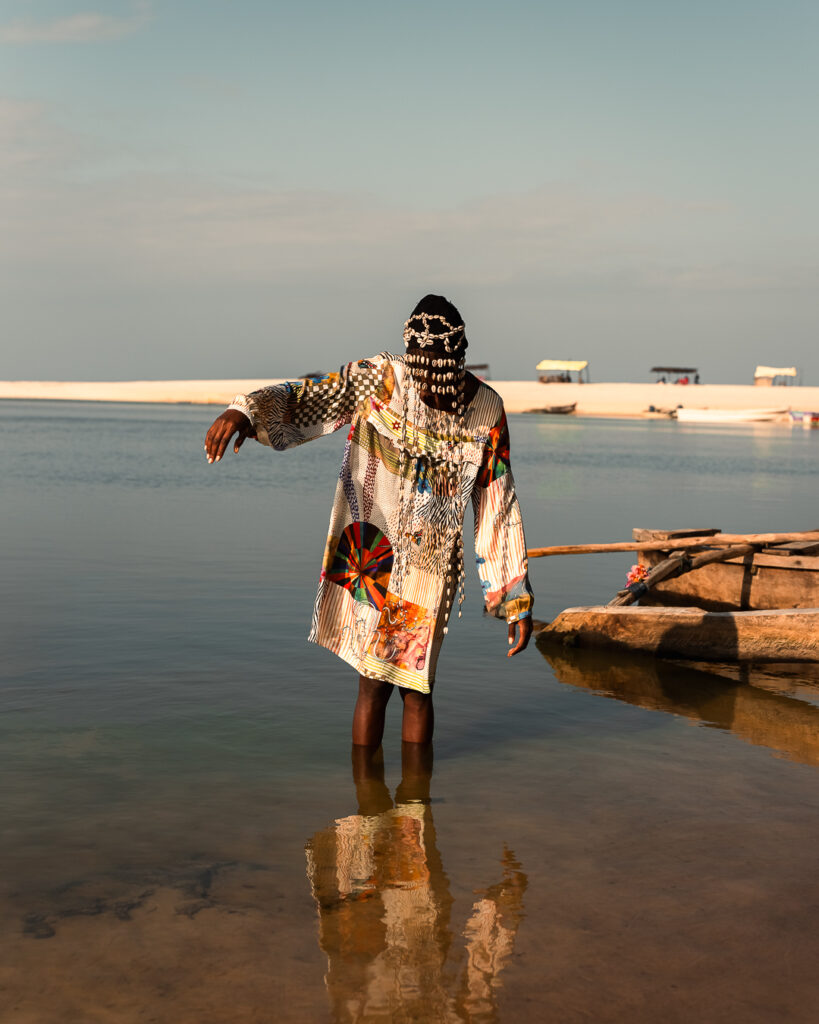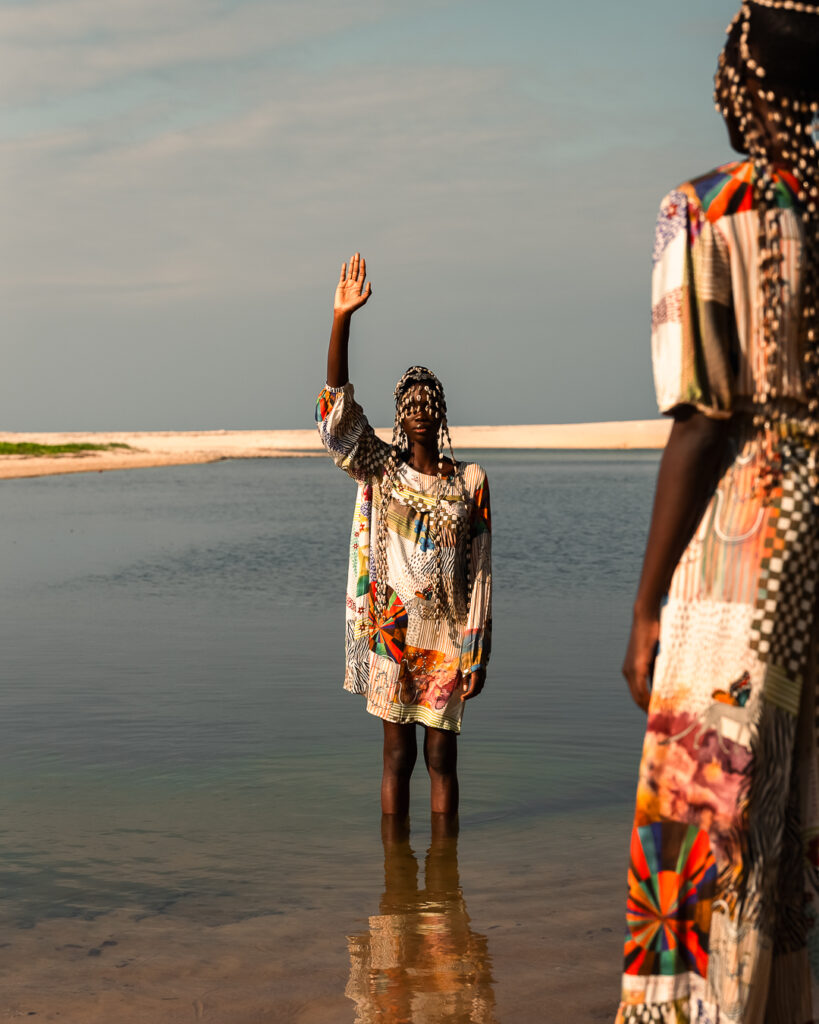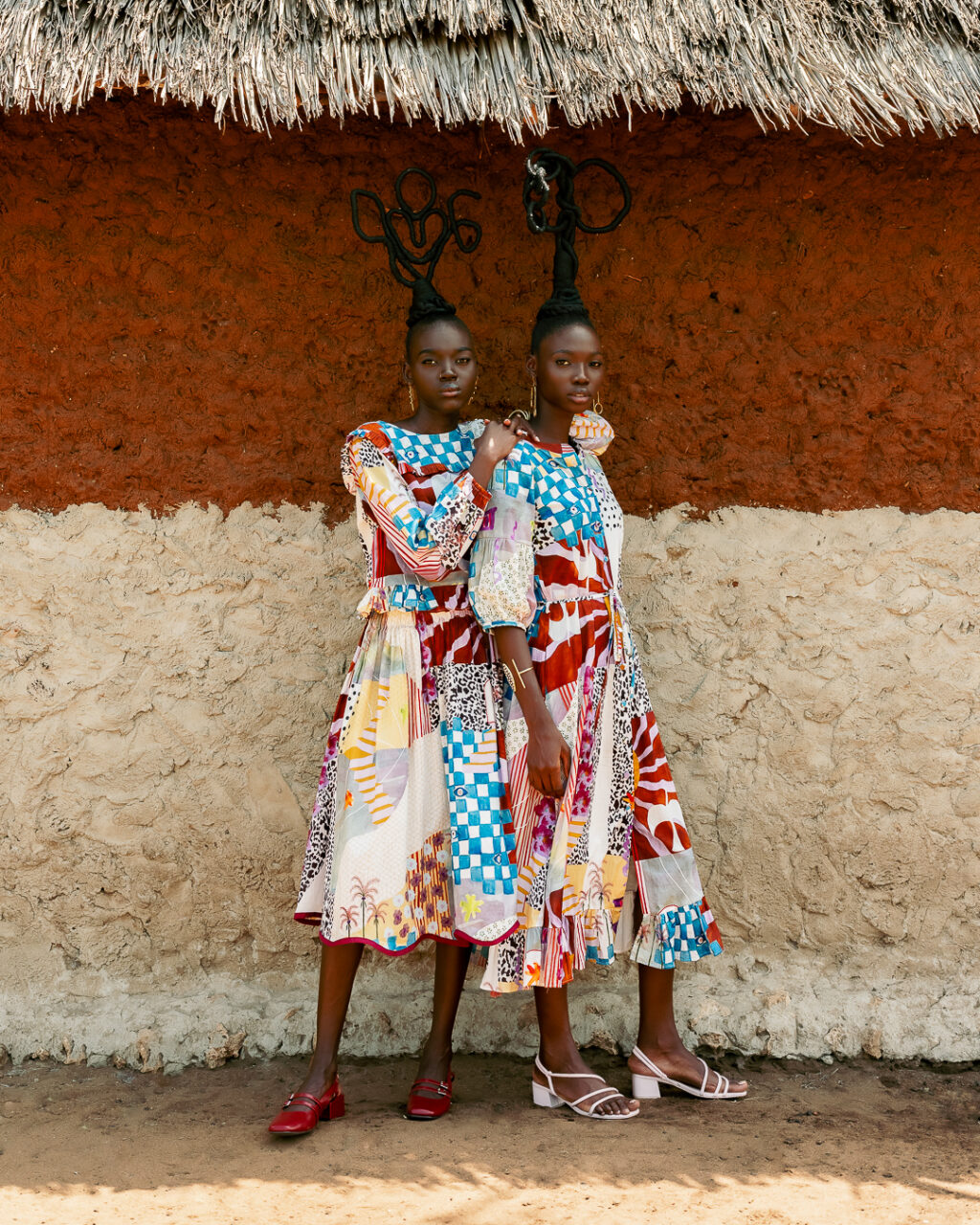
Asha: Eleven sits in an interesting position within African and global fashion. It is not operating in the Afrofuturist, street-led, or hype-driven lane that dominates a lot of contemporary coverage. Nor is it trying to perform “heritage” in a way that feels folkloric or over-signposted. That restraint is a strength, but it also means the brand risks being quietly overlooked in a market that often rewards noise. There’s also something very specific about its femininity. Asha: Eleven doesn’t frame womanhood as spectacle or power dressing. It leans toward ease, softness, and interior confidence. The clothes speak best to women who already know who they are, rather than those trying to announce it. Asha: Eleven exists in the rare space where fashion feels both intentional and intimate. It is a brand shaped by place, process, and patience, one that understands clothing not just as a product, but as a lived experience.
Founded in Cape Town, Asha: Eleven carries a distinctly African sensibility that resists being flattened into aesthetic shorthand. Its language is slower and more reflective, rooted in craft, landscape, and human connection. The name itself hints at this depth. “Asha,” drawn from Arabic, speaks to life, truth, and right action; “Eleven” gestures toward intuition and awareness. Together, they signal a philosophy rather than a slogan, an approach to fashion grounded in meaning. At the centre of the brand is founder and designer Olivia Kennaway, whose upbringing across East Africa deeply informs Asha: Eleven’s visual and ethical identity. Rather than referencing culture from a distance, her work emerges from lived proximity, from colour, movement, and texture encountered firsthand. This intimacy is evident in the brand’s prints, many of which originate as hand-drawn or painted artworks, later translated into fabric. Each piece feels considered, almost conversational, as though it carries memory rather than motif.
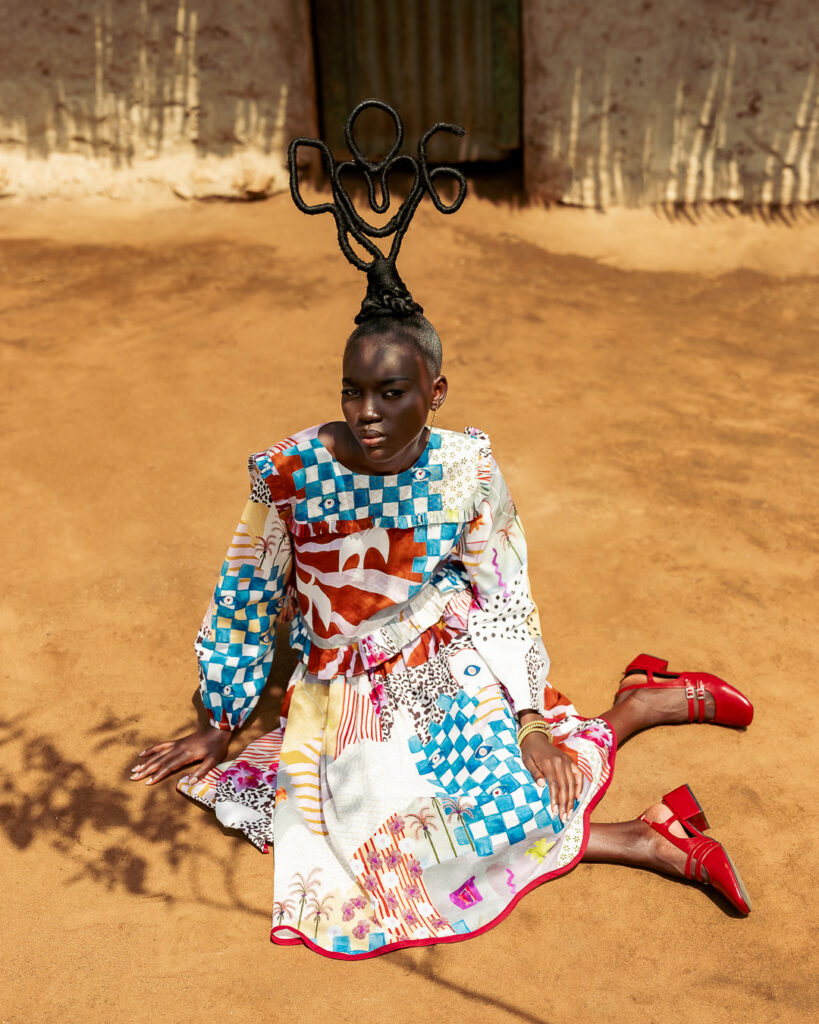
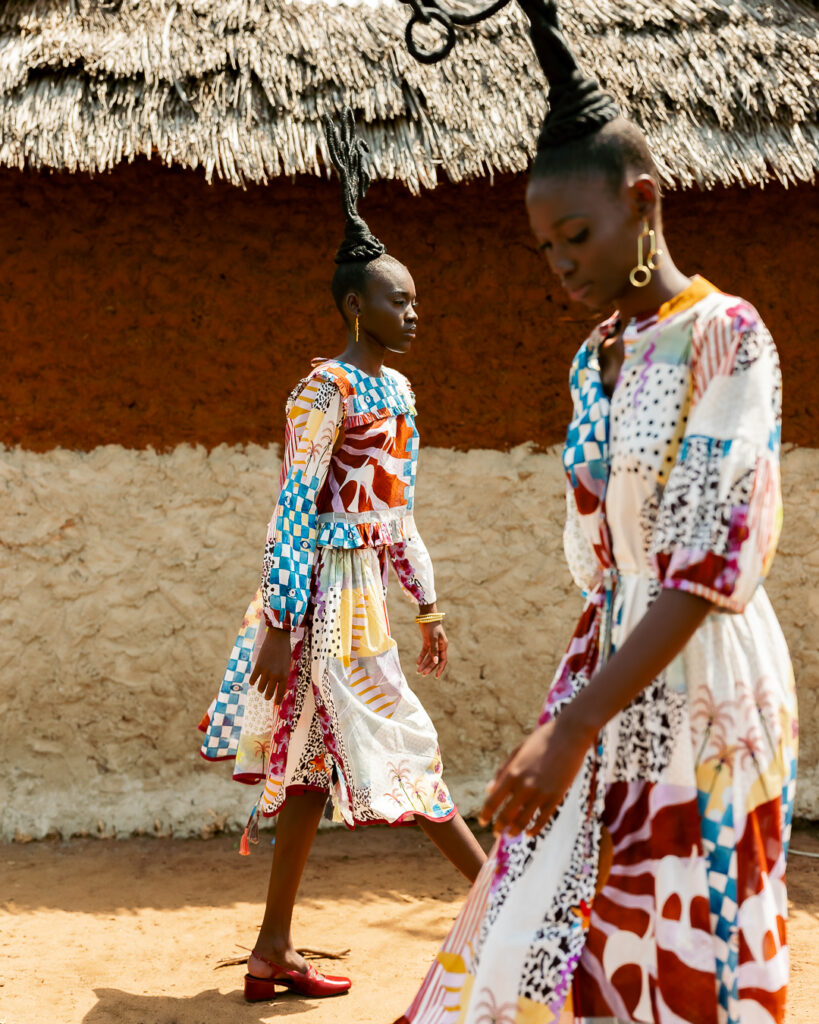
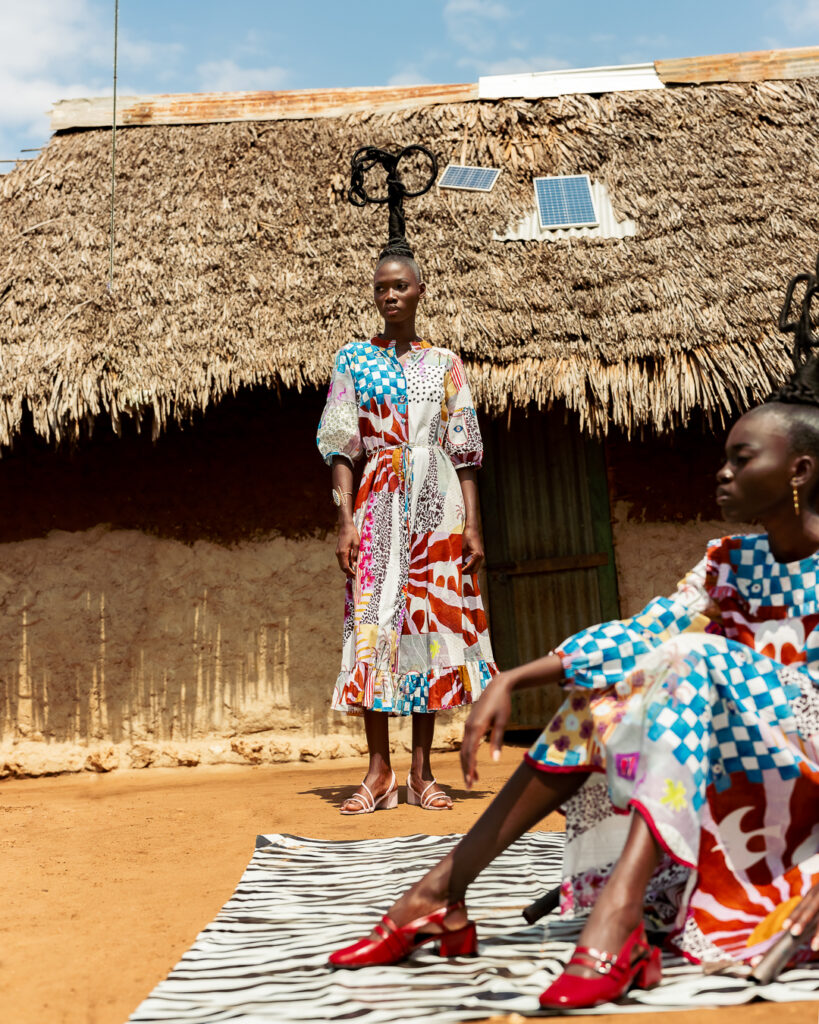
Asha: Eleven’s collections do not announce themselves as seasonal imperatives. Instead, they unfold gently, offering garments designed to live across time rather than expire within it. Dresses, jumpsuits, and everyday staples are cut with ease and longevity in mind, encouraging repeat wear and personal interpretation. There is an elegance here that isn’t performative, beauty that comes from balance rather than excess. Sustainability, for Asha: Eleven, is not an add-on or a marketing layer. It is embedded in how the brand thinks about making. From the use of natural and upcycled materials to small-scale production and ethical manufacturing relationships, each decision reflects an awareness of impact, environmental, social, and emotional. The clothes are made to last, but also to matter. What is particularly striking is how the brand communicates this ethos without preaching it. On Instagram and across its visual storytelling, Asha: Eleven speaks softly but clearly. There are glimpses of process, reflections on growth, moments of gratitude, and quiet celebrations of community. The brand does not perform perfectly; it acknowledges evolution. This transparency builds trust, making followers feel less like consumers and more like participants.
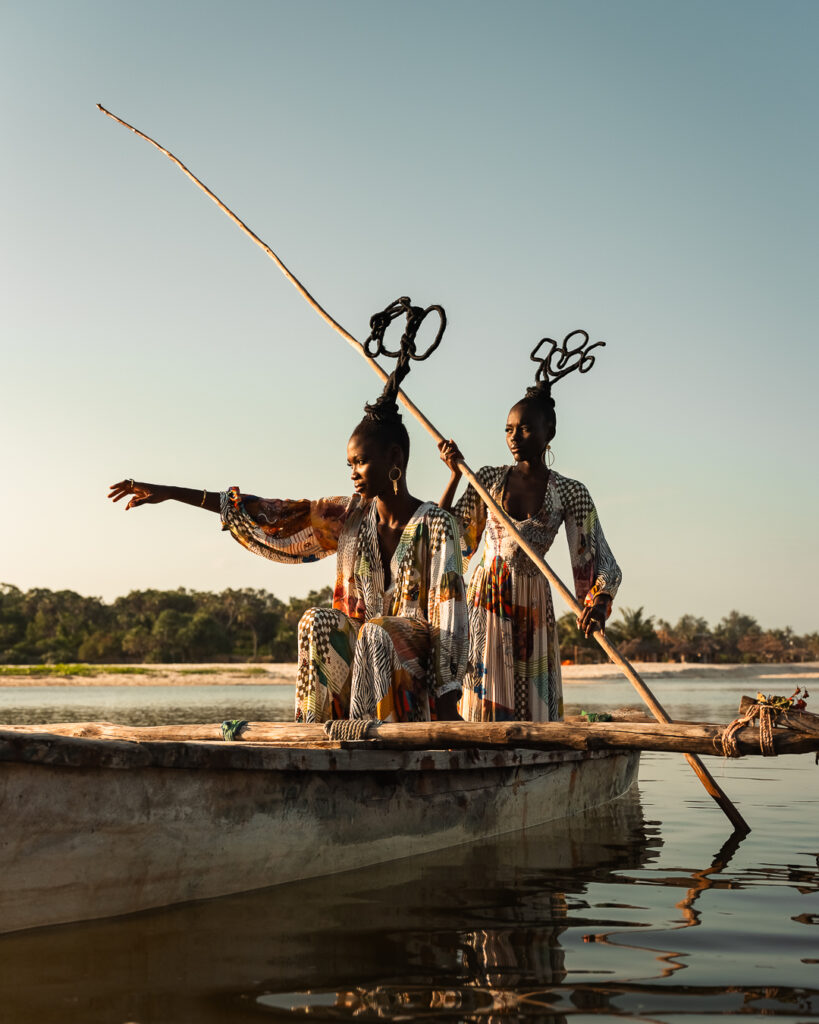
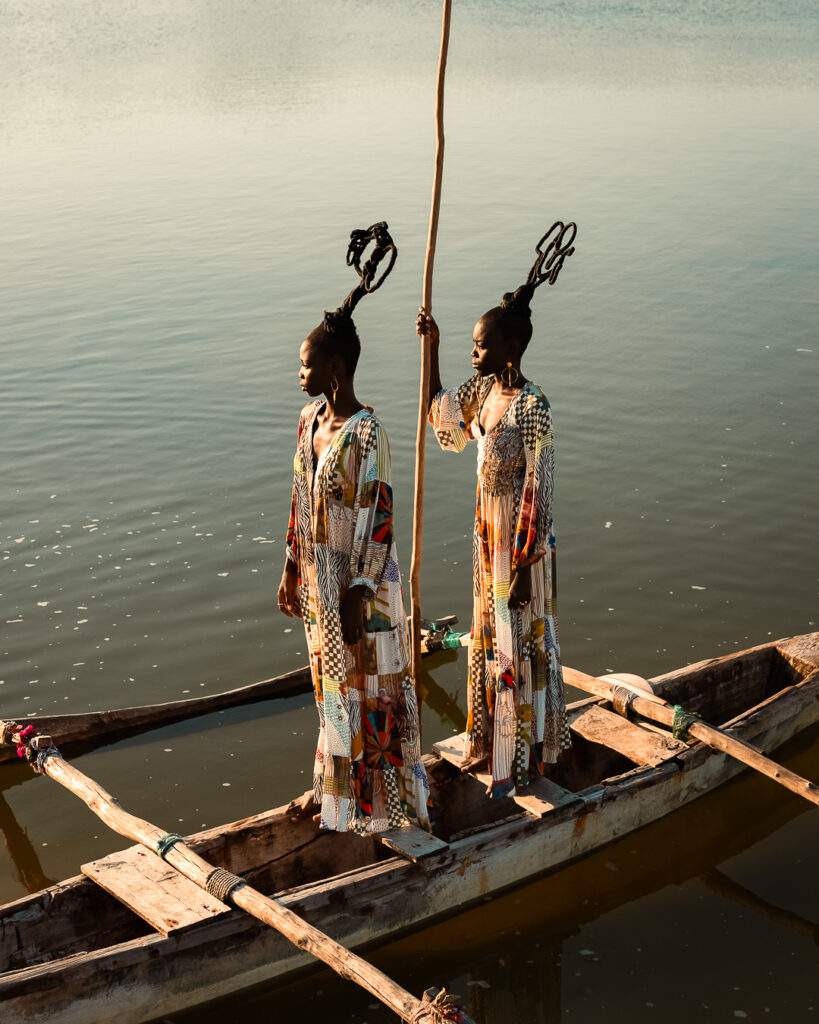
In a global fashion landscape increasingly saturated with spectacle, Asha: Eleven offers something rarer: restraint. It reminds us that clothing can be expressive without being excessive, political without being didactic, beautiful without being disposable. Its work asks the wearer to slow down, to consider where garments come from, who made them, and how they fit into a broader way of living. Ultimately, Asha: Eleven is not trying to redefine fashion as much as it is returning it to something essential. A relationship. Between maker and wearer. Between culture and care. Between what we put on our bodies and what we stand for. In that quiet clarity lies the brand’s real strength, a kind of confidence that doesn’t need to announce itself to be felt.