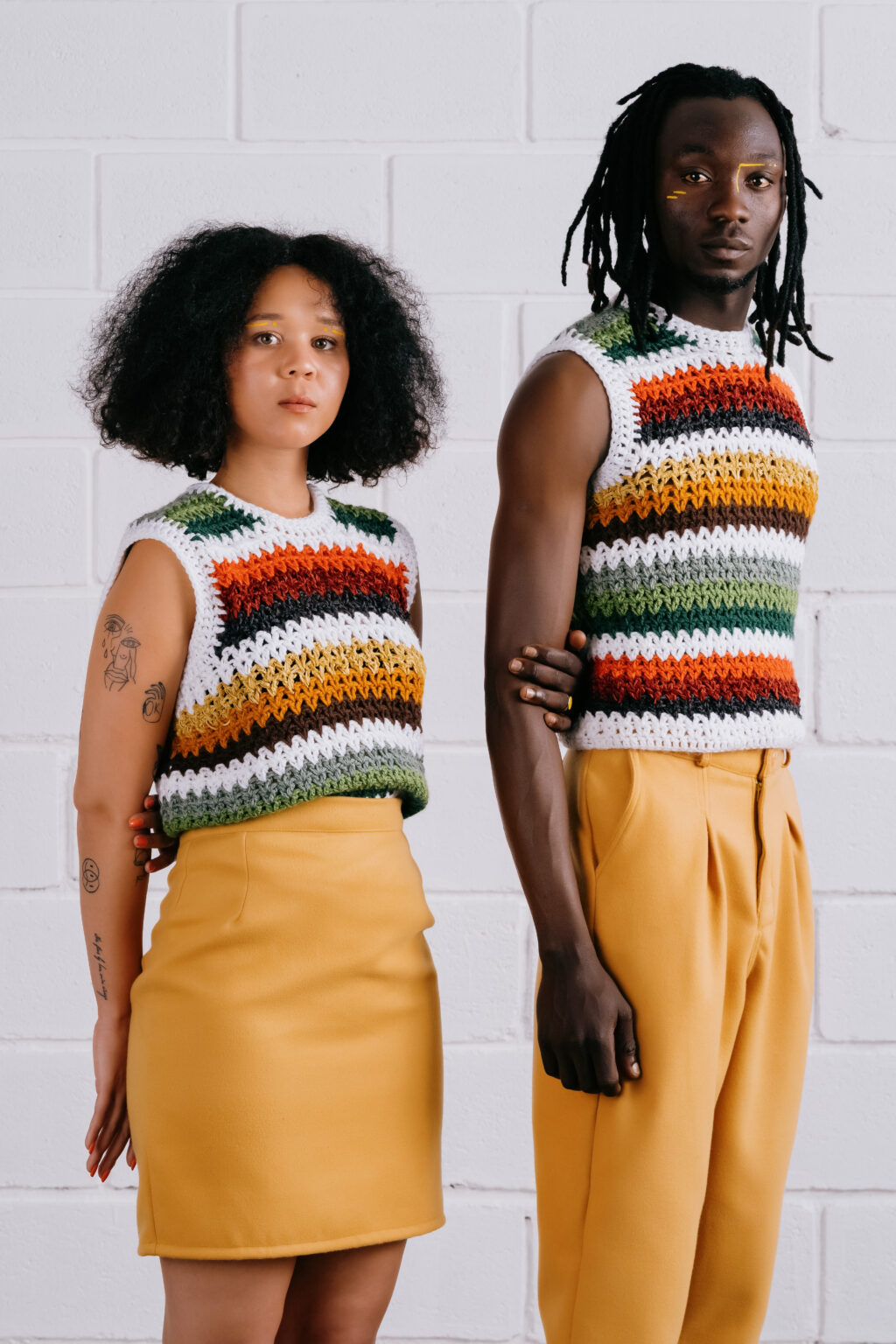
There is a stillness at the centre of GUGUBYGUGU. Before the awards, before Paris, before the language of luxury streetwear attached itself to the name, there was a young designer in Gqeberha who understood fabric as a living, breathing thing. For Gugu Peteni, fibre was never surface. It was inheritance, geography, and endless possibilities. She often speaks about material before she speaks about silhouette. Mohair, merino wool, the tactility of knit, the way weight changes posture, the way texture alters mood. Her early years working closely with Mohair South Africa did not simply refine her technical understanding; they shaped her ethics. To know fibre at its source is to design with consequence. It is to understand that cloth carries the landscape inside it. This intimacy with material is what distinguishes GUGUBYGUGU. The garments feel considered because they are. Knitwear is constructed, not draped as an afterthought. Oversized proportions are intentional, not trend-driven. There is discipline in the restraint. Even the softness has structure. That is the quiet authority to GUGUBYGUGU. It does not shout heritage, nor does it dilute heritage for global comfort. Instead, it constructs a language of selfhood through fibre, silhouette, and restraint. Founded in South Africa by a designer whose work moves between street sensibility and material scholarship, the label exists in that rare space where fashion feels both intimate and structural.
Peteni’s training in fashion and textile design, completed with distinction, gave her a formal vocabulary. Yet the emotional register of GUGUBYGUGU comes from something more private. There is a recurring conversation in her work about identity as something fluid. Not fragmented, but layered. This becomes visible in collections such as Echoes of Self, where garments suggest multiplicity without spectacle. The pieces do not announce transformation. They hold it quietly. In a fashion economy increasingly detached from origin, GUGUBYGUGU insists on traceability, on natural fibres such as merino wool and mohair, and on production that honours both land and labour.
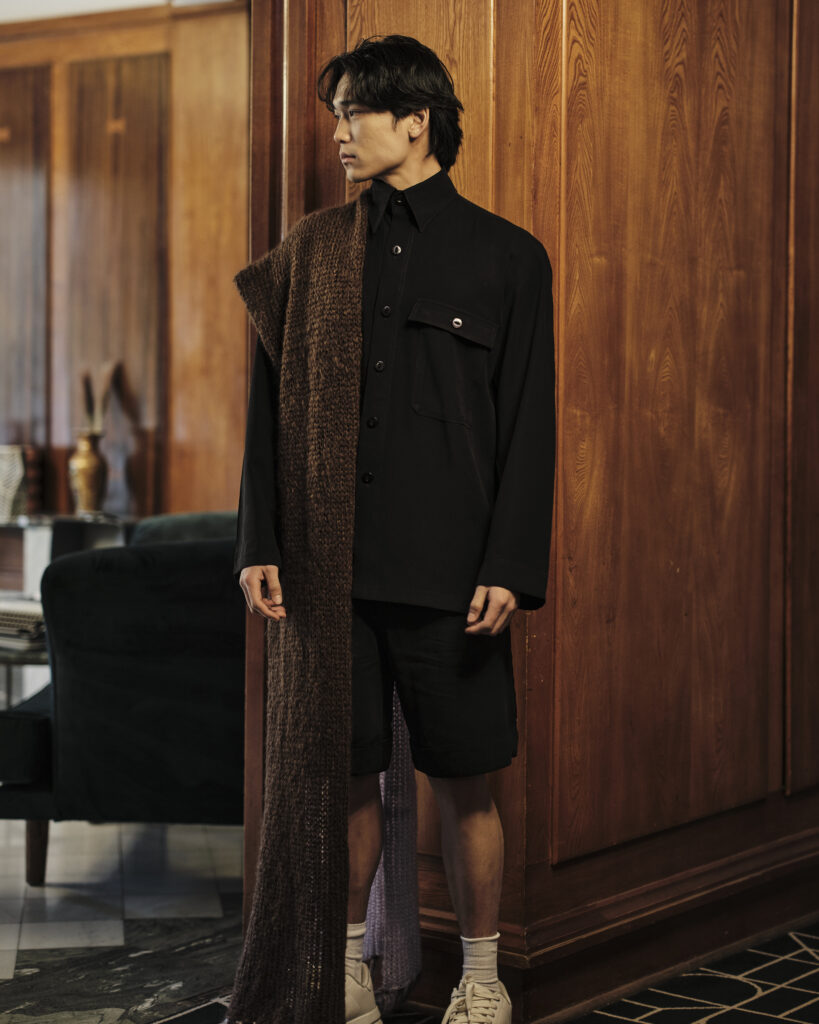
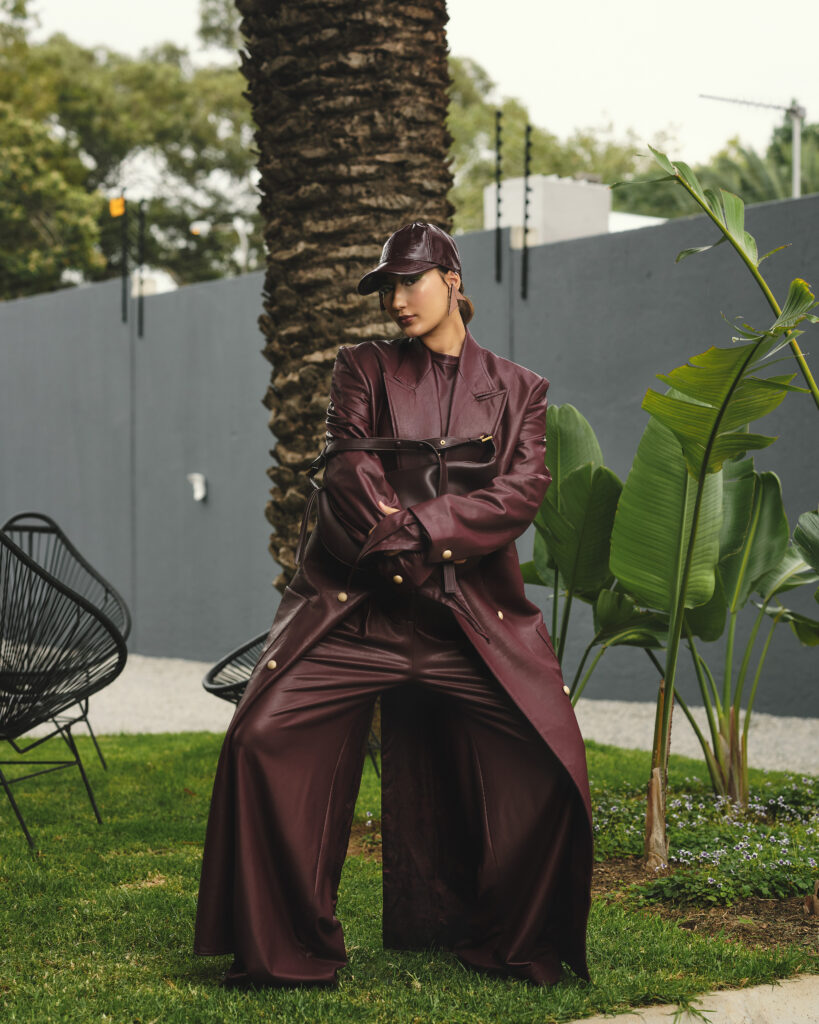
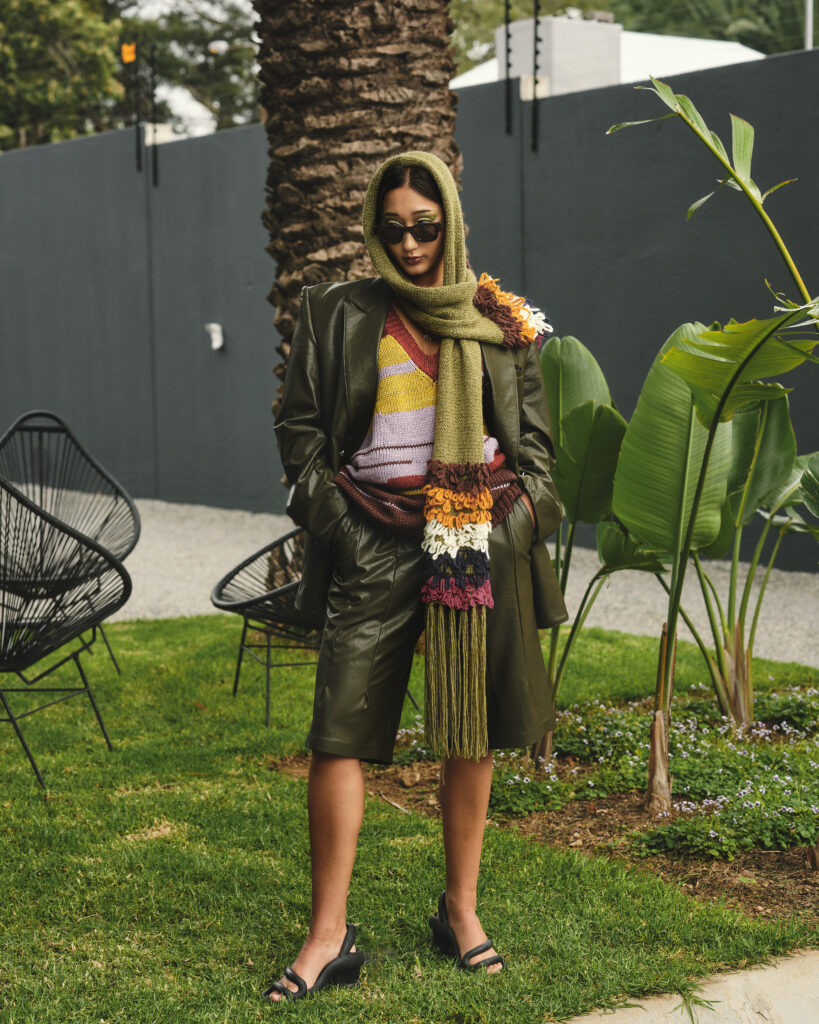
This commitment is not aesthetic branding. It is architectural. The garments are built with weight and deliberation. Knitwear forms the nucleus of the label, often oversized, sculptural, and gender fluid, carrying both comfort and authority. The silhouettes resist neat categorisation, merging 90s street references with contemporary minimalism. There is nostalgia here, but it is not sentimental. It is reworked, recontextualised, and sharpened. What makes GUGUBYGUGU particularly resonant is its refusal to flatten African design into a motif. The work does not rely on obvious signifiers. Instead, its Afrimodern sensibility emerges through texture, proportion, and narrative framing. Identity is approached as something layered and evolving, rather than fixed. Presented internationally and recognised at Africa Fashion Up in Paris with the Young Designer Award, the collection signalled that Peteni’s voice is not regional, but global. Yet global in this context does not mean placeless. GUGUBYGUGU’s ongoing conversation with mohair, and the Angora goat from which it is sourced, situates luxury within geography. South Africa is not a backdrop to the story. It is the source code. Through campaigns that foreground fibre as protagonist, the brand reframes material as narrative. The cloth remembers where it comes from.
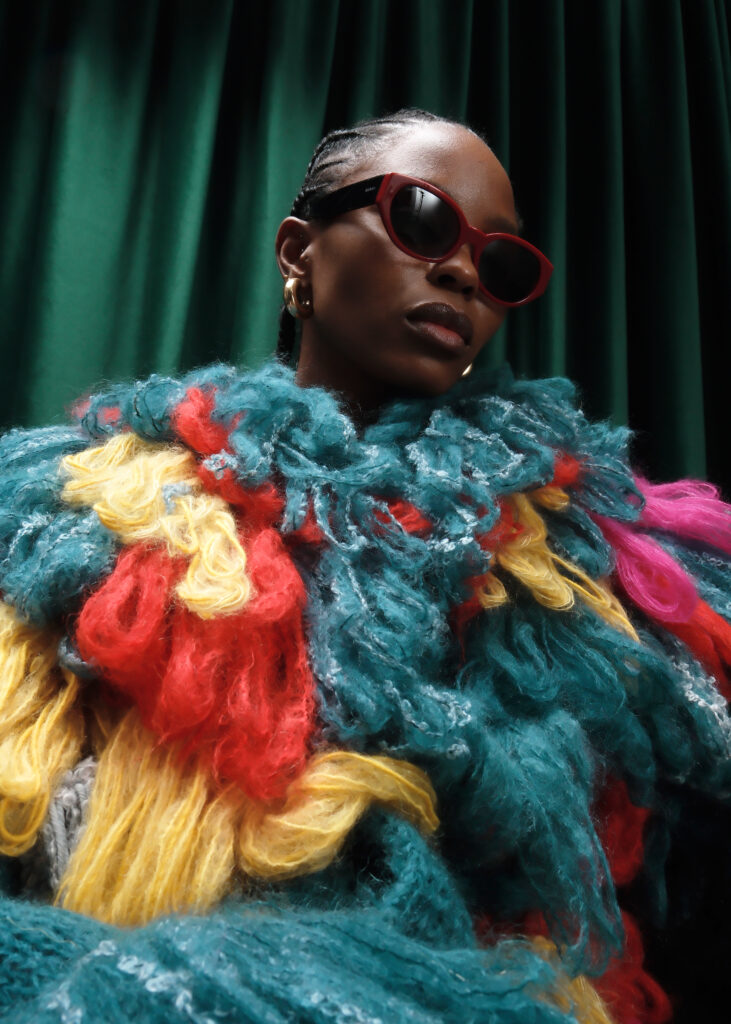
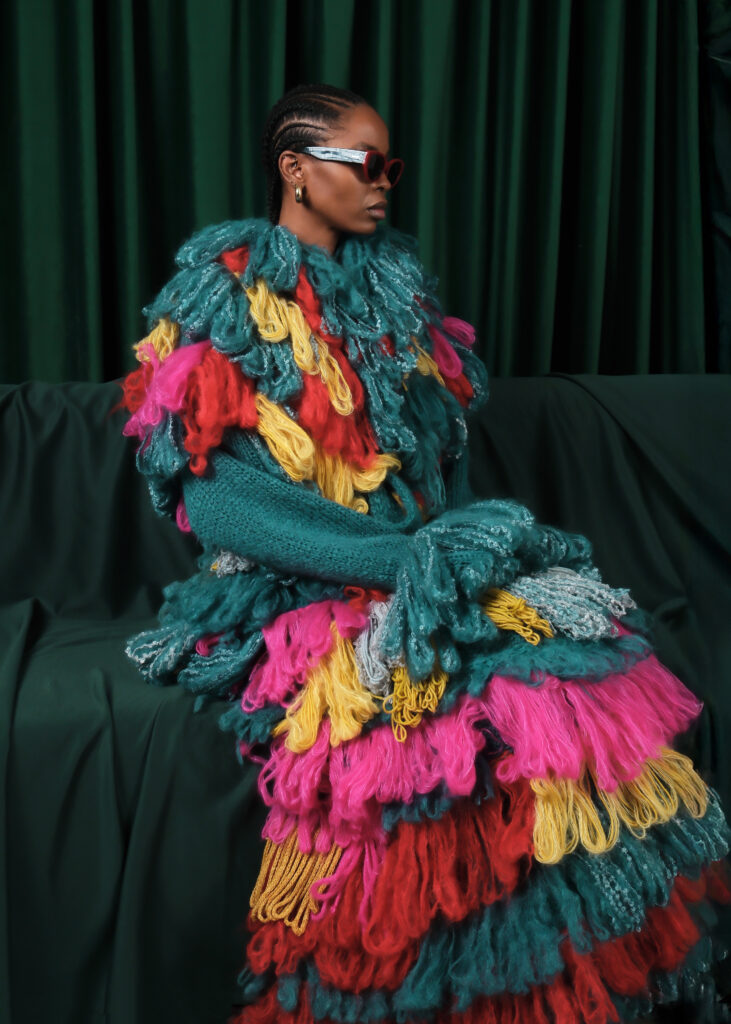
There is also a subtle politics to the work. The gender neutrality of the silhouettes, the emphasis on longevity over trend, and the refusal of excess speak to a generation fatigued by fashion’s disposability. These garments are not designed for spectacle. They are designed for inhabitation. They invite the wearer to consider how clothing can hold memory, intention, and self-definition without collapsing into costume. Online, GUGUBYGUGU maintains a measured presence. The visual language is cohesive, tactile, and composed. The garments are allowed space. Texture is given time. In an era of acceleration, that restraint reads as confidence. To describe GUGUBYGUGU as luxury streetwear feels insufficient, although the term is technically accurate. The label is better understood as a study in becoming. It is fashion that acknowledges where it stands, and where it comes from, while remaining alert to where it is going. In Gugu Peteni’s hands, fibre becomes philosophy, and clothing becomes a site of authorship.
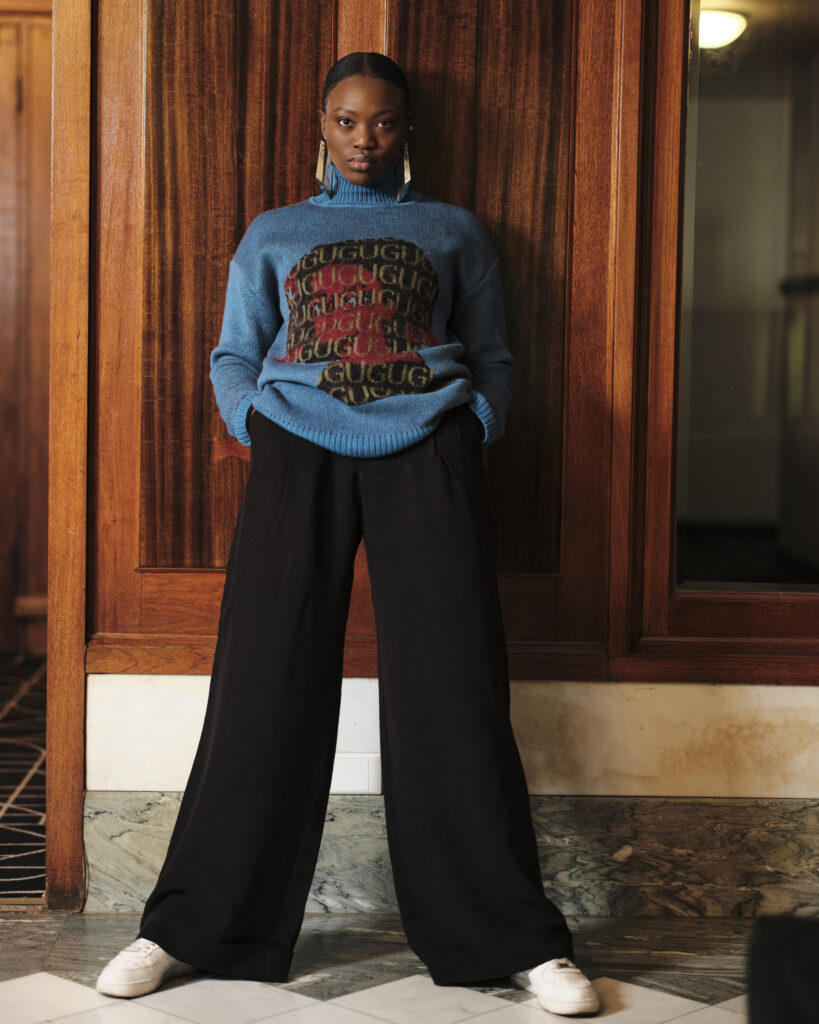
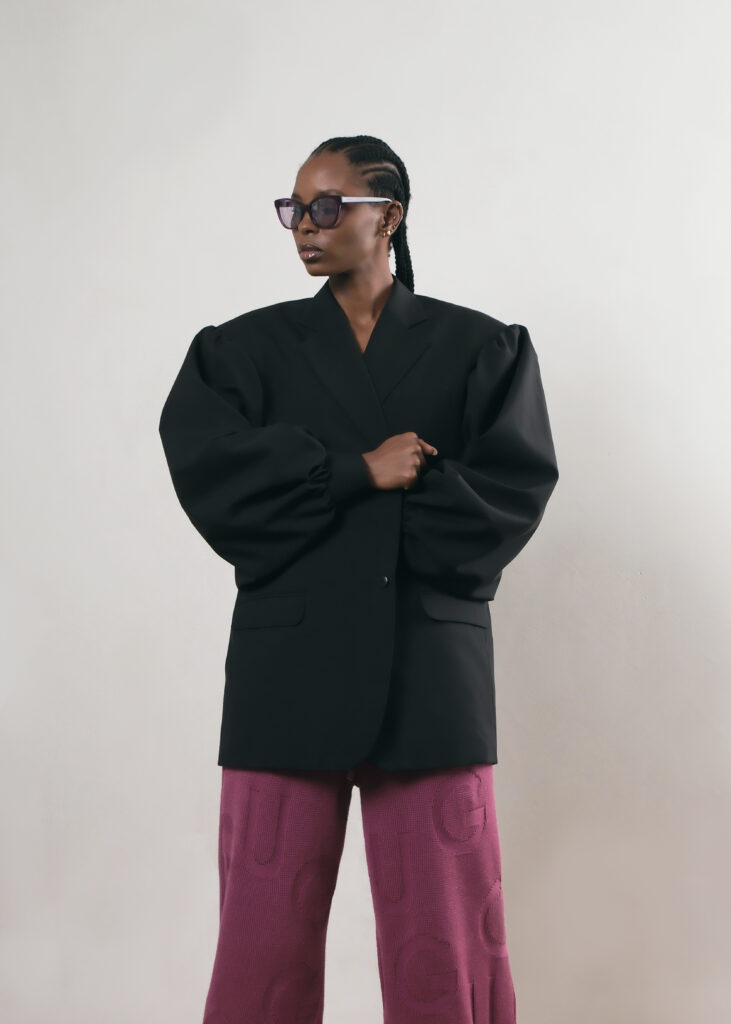
For Random Photo Journal, the significance lies not simply in the craft but in the clarity. GUGUBYGUGU does not attempt to be everything. It is precise. It is rooted. It is forward-thinking and self-assured. In a landscape crowded with noise, that composure feels radical.