
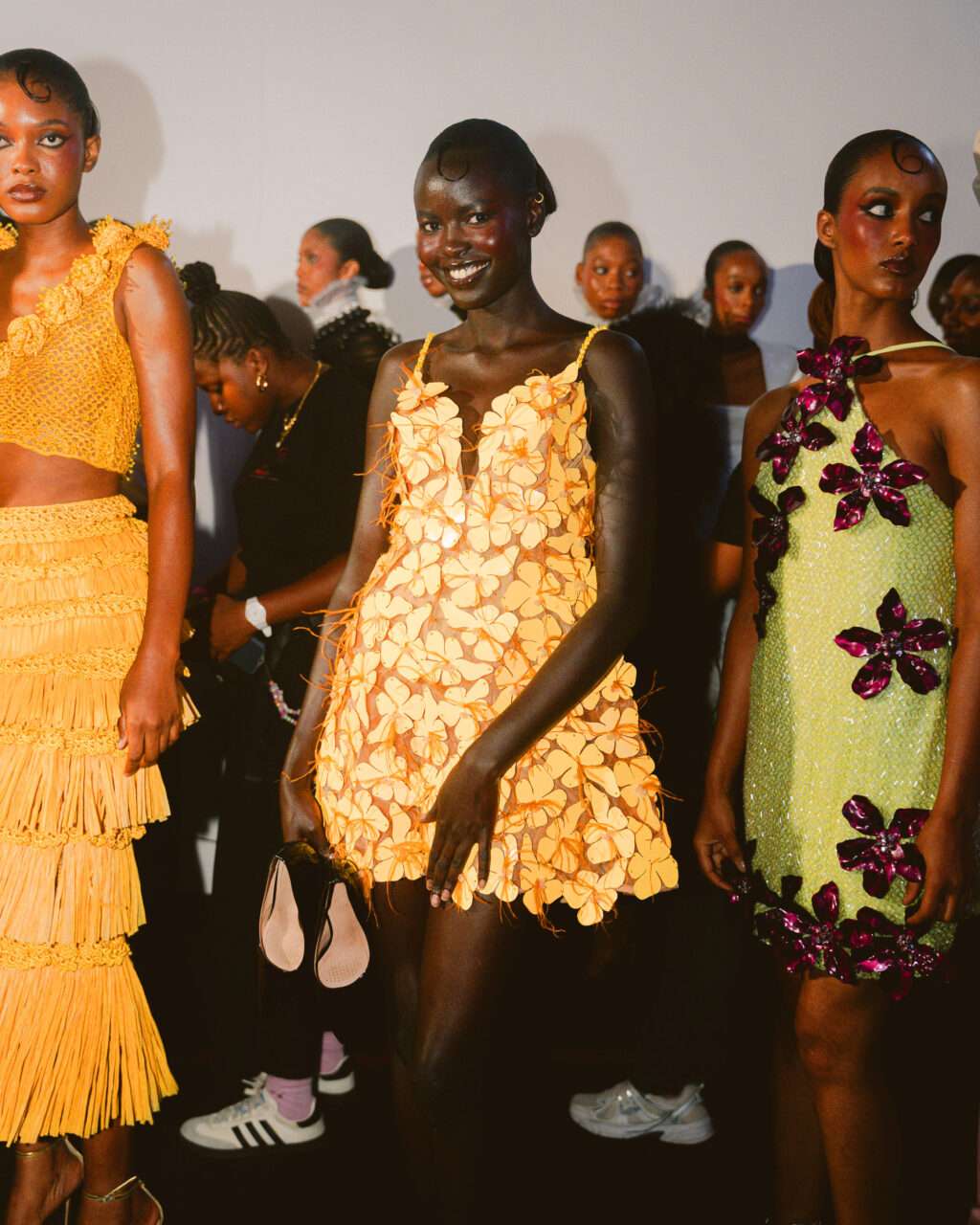
A decade after its introduction, GTCO Fashion Weekend has evolved from a bank-led enterprise initiative into one of the continent’s more recognisable fashion gatherings. Its development offers a useful lens through which to consider the relationship between corporate investment, cultural visibility, and the infrastructure required to sustain a fashion industry.
What began as GTBank Fashion Weekend emerged from the bank’s broader interest in creating opportunities for small and medium-sized businesses. Following the model of its Food and Drink Weekend, GTBank turned its attention to fashion, an industry in which creative ambition and commercial activity were closely intertwined, but where access to structured retail opportunities remained limited. The inaugural edition, held in Lagos on 12 and 13 November 2016, established a structure built around three principal activities: retail exhibitions, fashion masterclasses, and runway presentations. More than 30,000 people attended, an early indication of the public appetite for a free gathering that approached fashion not simply as a cultural spectacle, but as an economy in which people could participate as designers, retailers, makers, and consumers.
The initiative took shape during the leadership of Segun Agbaje, then Managing Director and Chief Executive Officer of GTBank. Its creative and production development has also been closely associated with fashion producer Sola Oyebade, who has overseen the runway presentations since the event’s inception. It is worth distinguishing these roles: GTBank provided the institutional platform and resources, while the event’s creative direction and production developed through the work of fashion practitioners. That relationship between financial institution and creative industry has become central to the weekend’s identity.
In its early years, GTBank demonstrated how a financial institution could participate in the creative economy beyond conventional sponsorship. It created an environment in which independent businesses could present their work directly to consumers, while designers could access a public platform and audiences could encounter fashion through retail, education, and presentation. The runway gradually became one of the event’s defining features. International designers, established Nigerian labels, and emerging practitioners appeared within the same programme, bringing different fashion economies and visual languages into conversation in Lagos. Designers such as Loza Maléombho, Ituen Basi, Mowalola, Tolu Coker, Priya Ahluwalia, and LaQuan Smith represent the breadth of perspectives that have appeared across its evolving programme.
This development also gives GTCO Fashion Weekend a particular position within Nigeria’s fashion calendar. Lagos Fashion Week, for example, has historically placed considerable emphasis on the presentation of collections, designer development, and the creation of industry relationships. GTCO Fashion Weekend operates through a different institutional arrangement. Its identity remains closely connected to its origins as a consumer-facing commercial platform, bringing together retail, education, fashion presentation, and public participation. The two initiatives are not necessarily competing models, nor are their activities entirely separate. They represent different approaches to supporting an industry whose development requires both platforms for creative expression and structures for commercial exchange.
The scale of GTCO’s accumulated activity is significant. According to figures reported for the period between 2016 and 2025, the platform has hosted more than 700,000 fashion enthusiasts, supported 410 small business owners, presented 45 runway shows, and delivered 39 masterclasses. These figures offer an indication of the event’s reach and longevity. They also speak to the value of creating direct access to consumers and professional exchange in an environment where independent fashion businesses often operate with limited commercial infrastructure. Across much of the continent, access to buyers, distribution networks, international markets, professional training, and sustained media attention remains uneven. A platform that brings these different forms of participation into one space addresses a genuine need.
But reach and participation are not, on their own, measures of lasting industry development. The more difficult questions concern what happens after the weekend: whether participating businesses secure sustained retail opportunities, whether designers establish relationships with buyers and international markets, whether the knowledge shared through masterclasses translates into professional advancement, and whether the relationships formed during the event continue to produce opportunities. These are the questions through which the initiative’s economic contribution can be assessed beyond attendance figures and annual programming.
The 2026 programme offers another perspective on how the platform has developed. Its designer line-up brings together Sukeina, House of Marvee, Ohlanna Bu Zikora, Imane Ayissi, Washington Roberts, Maison Sara Chraïbi, Selam Fessahaye, and Kim Shui. The selection moves across different geographies, design traditions, and approaches to contemporary dress. Rather than presenting African fashion as a single aesthetic category, the programme brings together designers whose practices offer distinct perspectives on heritage, identity, craftsmanship, femininity, and the evolving relationship between African fashion and the international fashion landscape.
Among them, House of Marvee, founded by Nigerian designer Marvelous Olugu, is a Lagos-based fashion house working across couture and ready-to-wear womenswear. Its design language brings together elaborate embroidery, precision corsetry, hand detailing, and influences drawn from Nigerian cultural heritage. With a particular interest in femininity and formal dressing, the house approaches garments as carefully constructed expressions of individuality and contemporary African luxury.
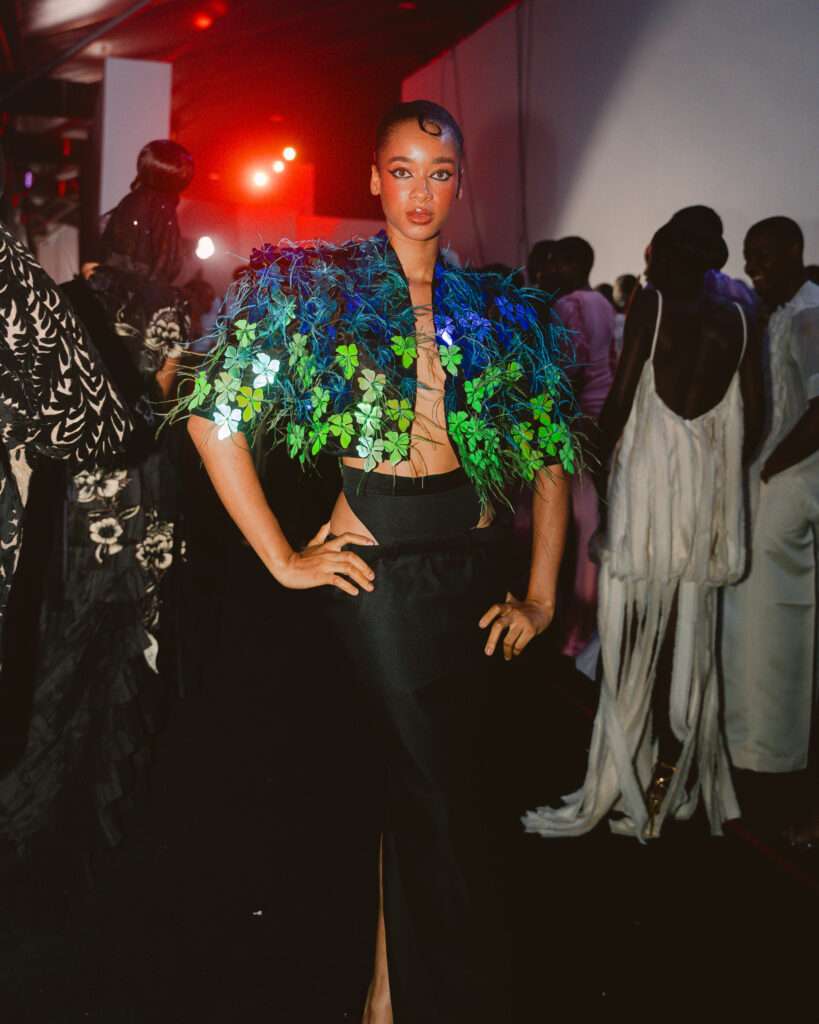
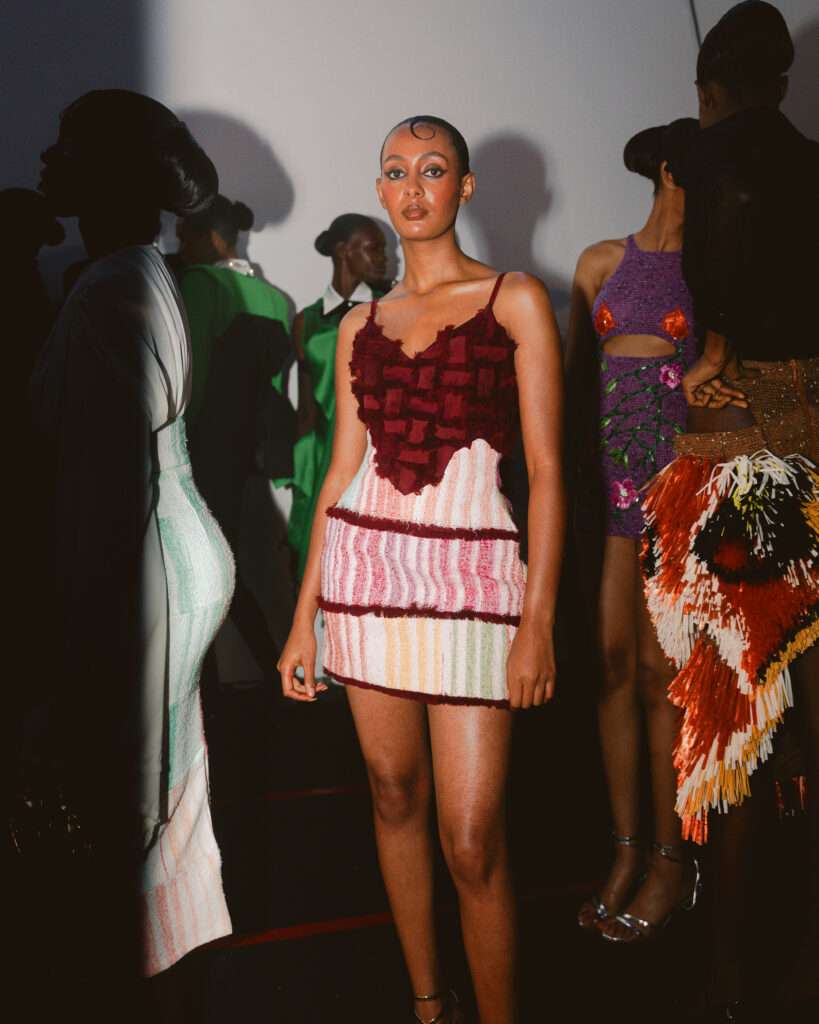
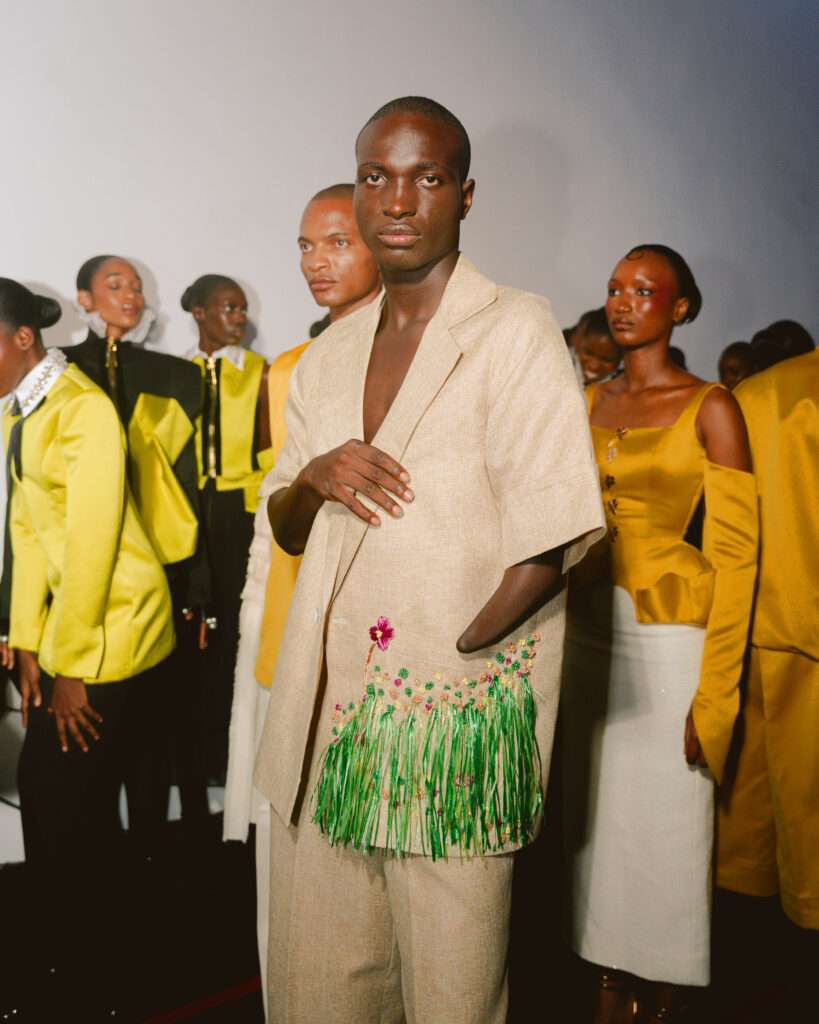
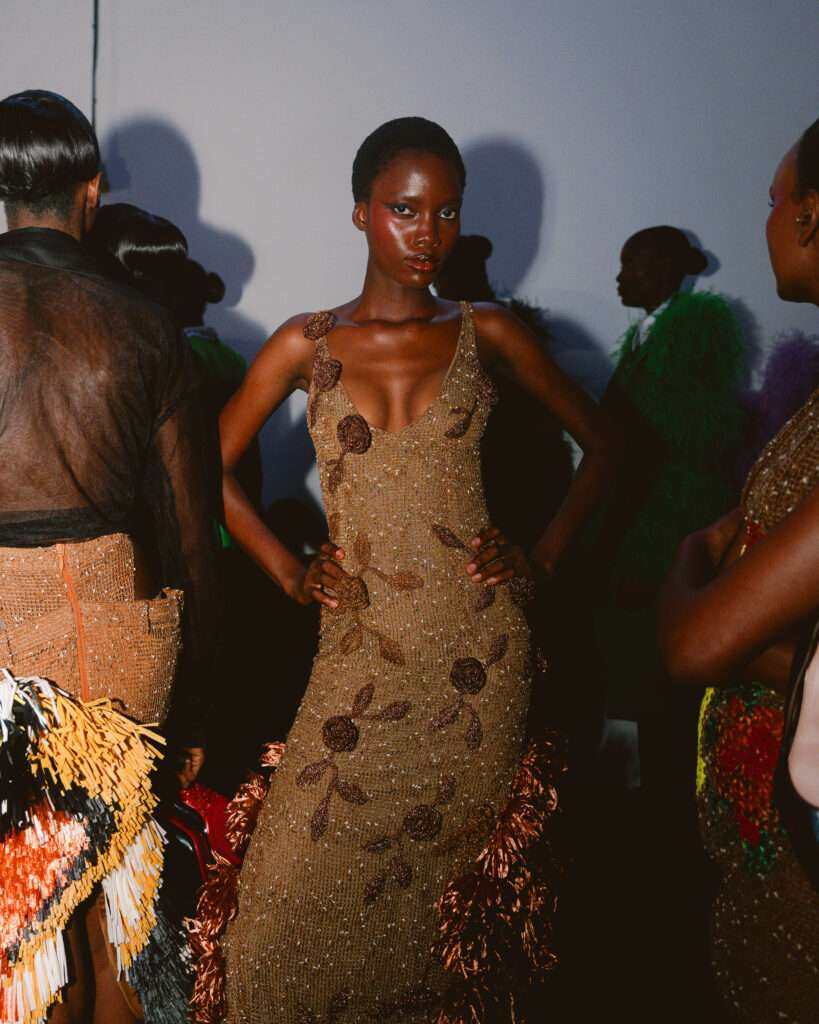
KIM SHUI: Founded in 2016 by Chinese-American designer Kim Shui, her eponymous womenswear label explores femininity through an expressive combination of cultural references, sensuality, and contemporary styling. Drawing on her Chinese heritage and experiences across different cultures, Shui creates garments that move between influences from East and West, often incorporating intricate fabrics, body-conscious tailoring, and experimental detailing. Her work offers a distinct perspective on how cultural experience can inform a contemporary fashion language without being confined to a singular reference point.
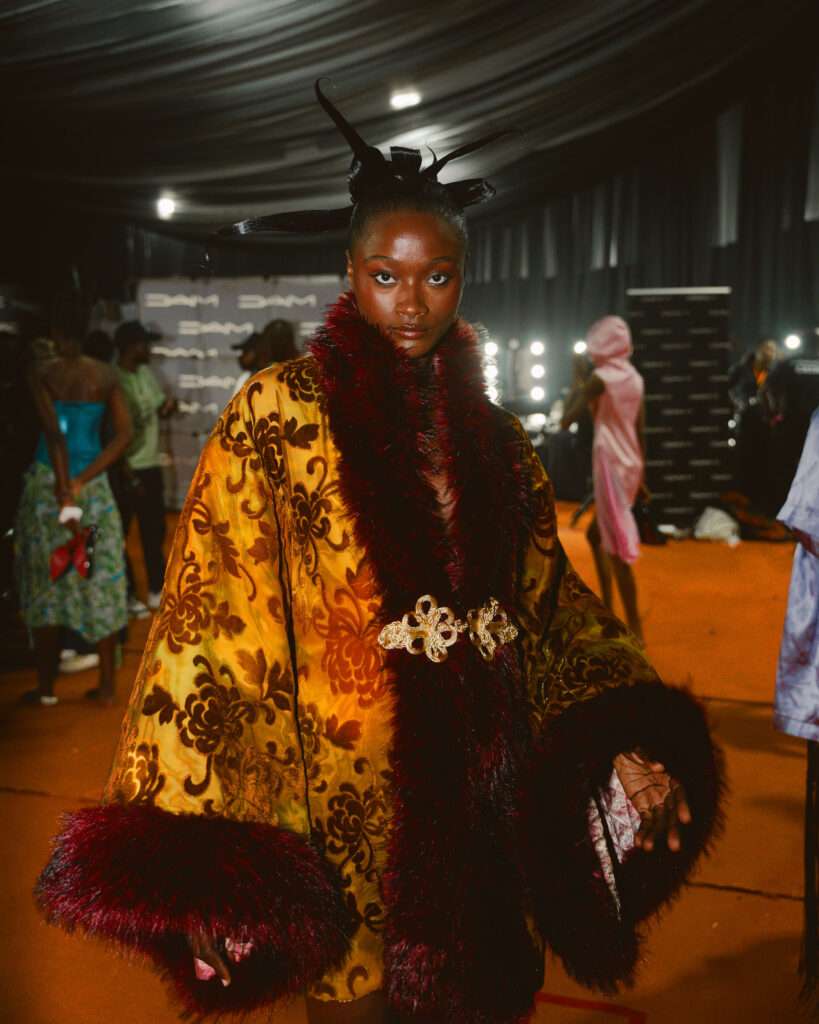
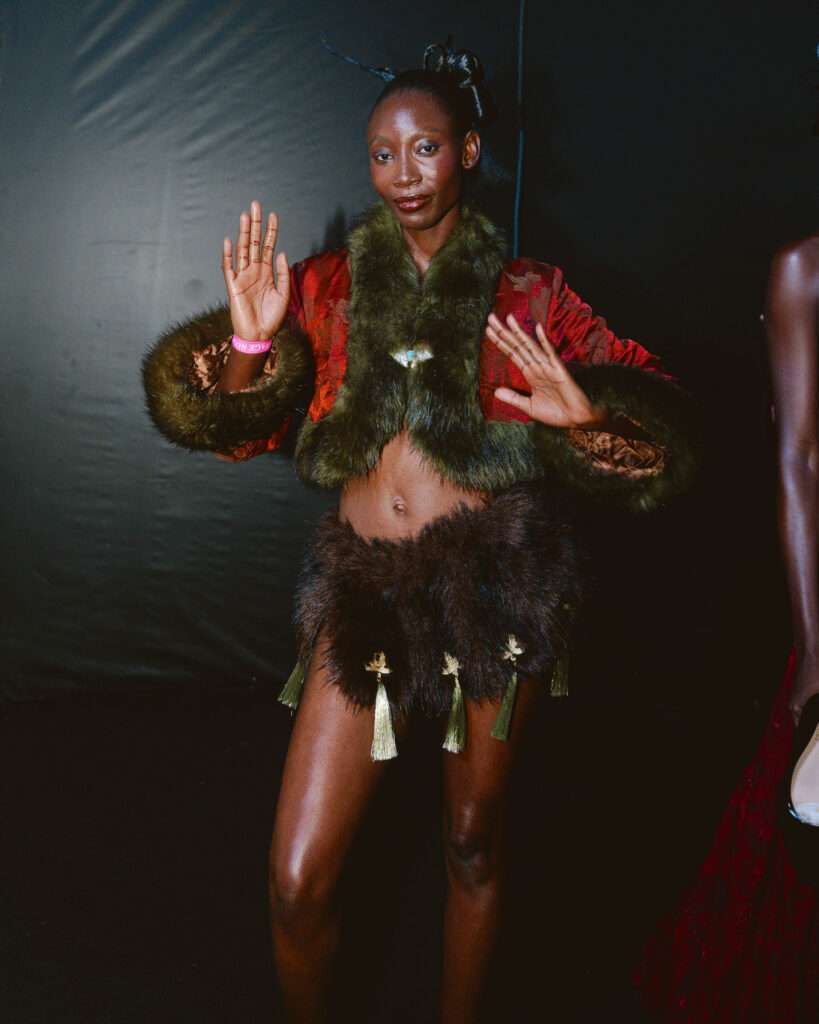
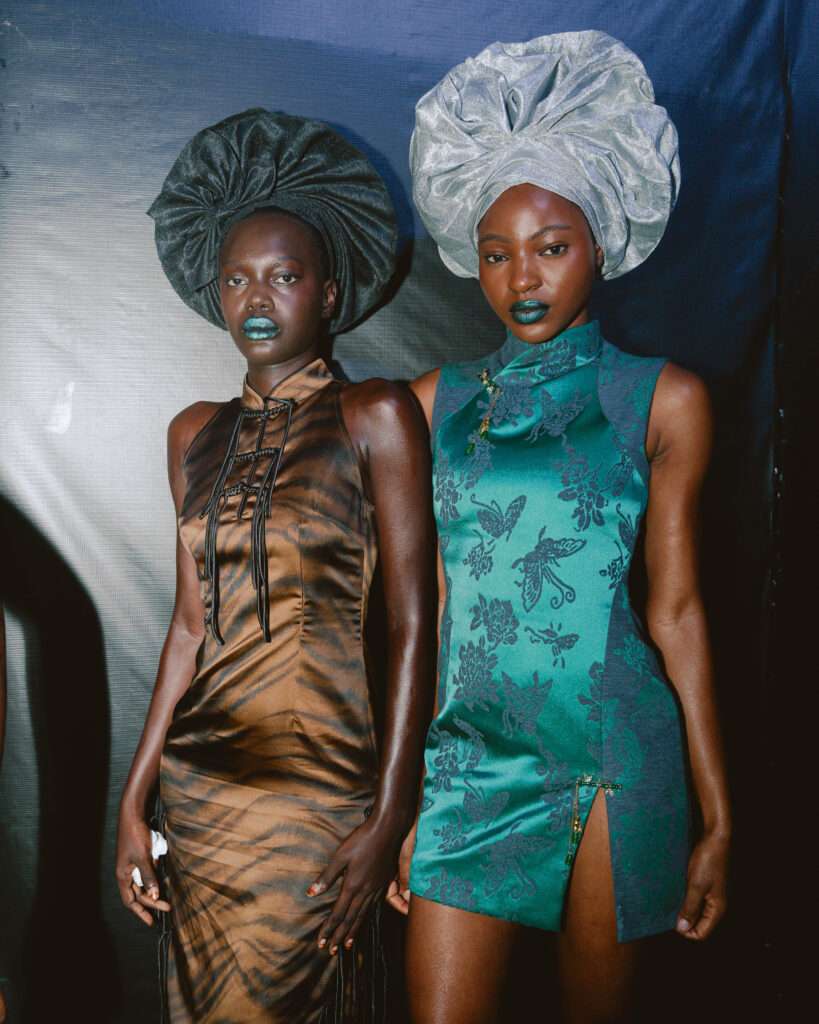
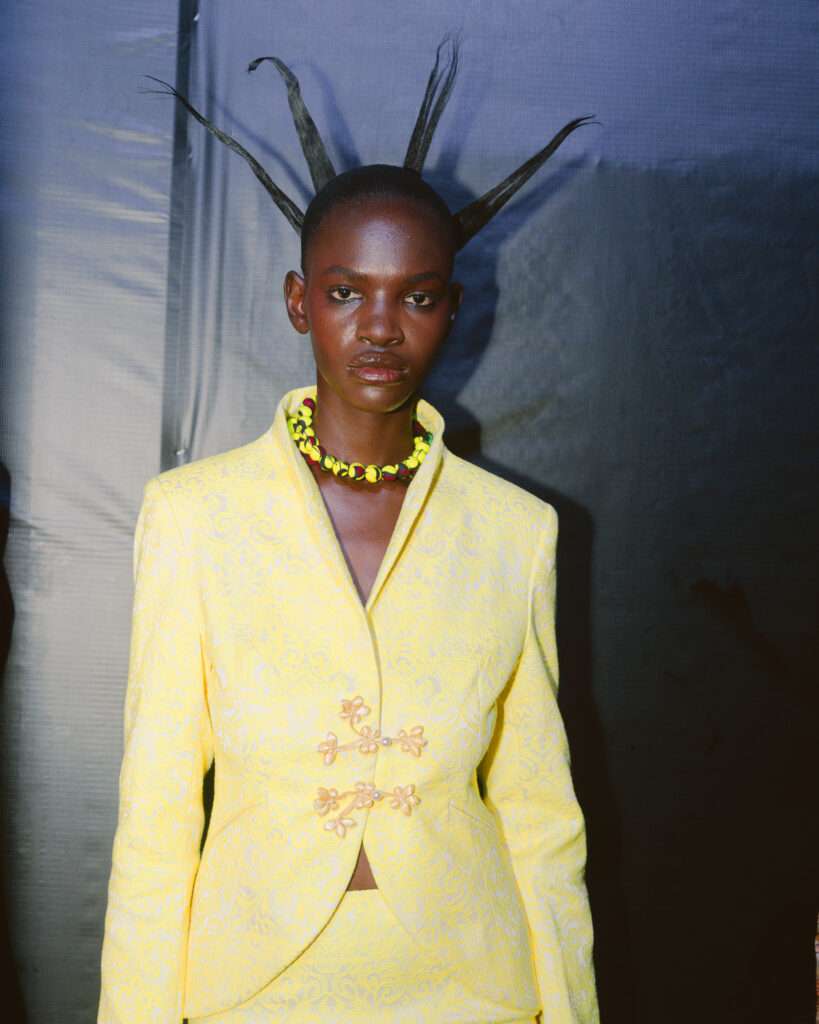
OHLANNA BU ZIKORA: Ohlanna Bu Zikora, founded by Nigerian designer Zikoranachukwuebuka Ikebuaku, is a contemporary womenswear label working across demi-couture, bespoke clothing, and bridal design. Drawing inspiration from architecture, literature, Igbo cultural heritage, and traditional Nigerian dress, the designer combines unconventional silhouettes, refined detailing, and a thoughtful exploration of form and texture. The resulting work considers the relationship between dress, identity, and heritage, with particular attention to the expression of womanhood.
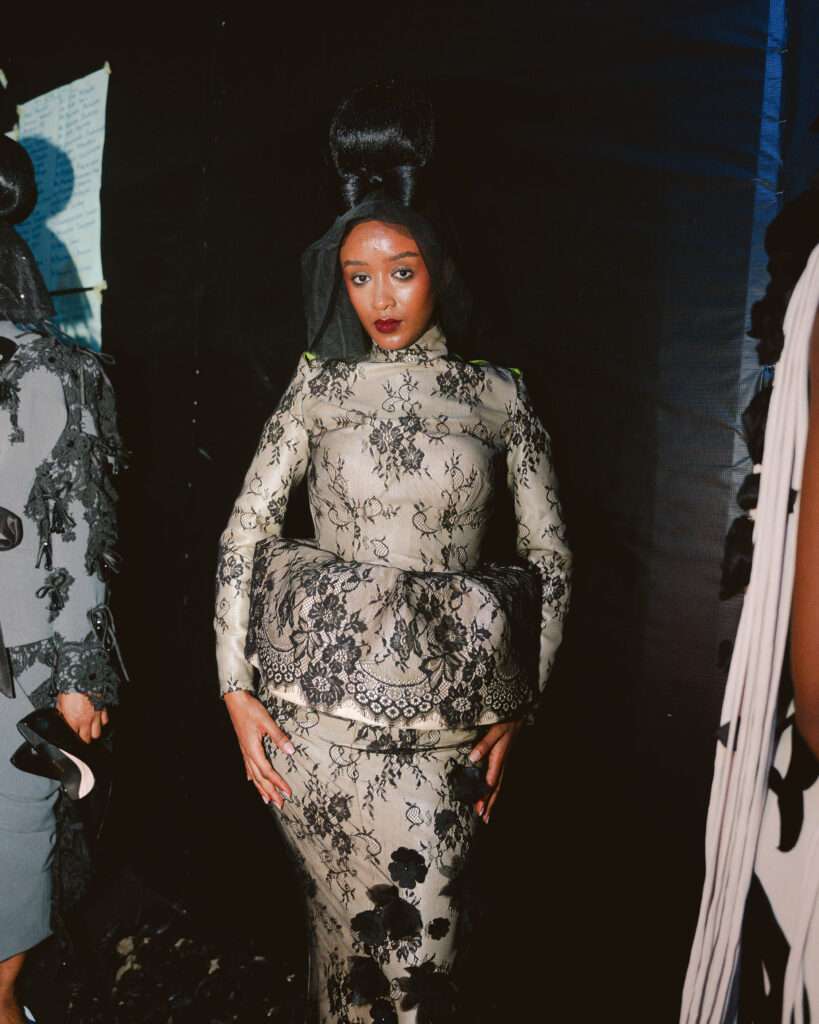
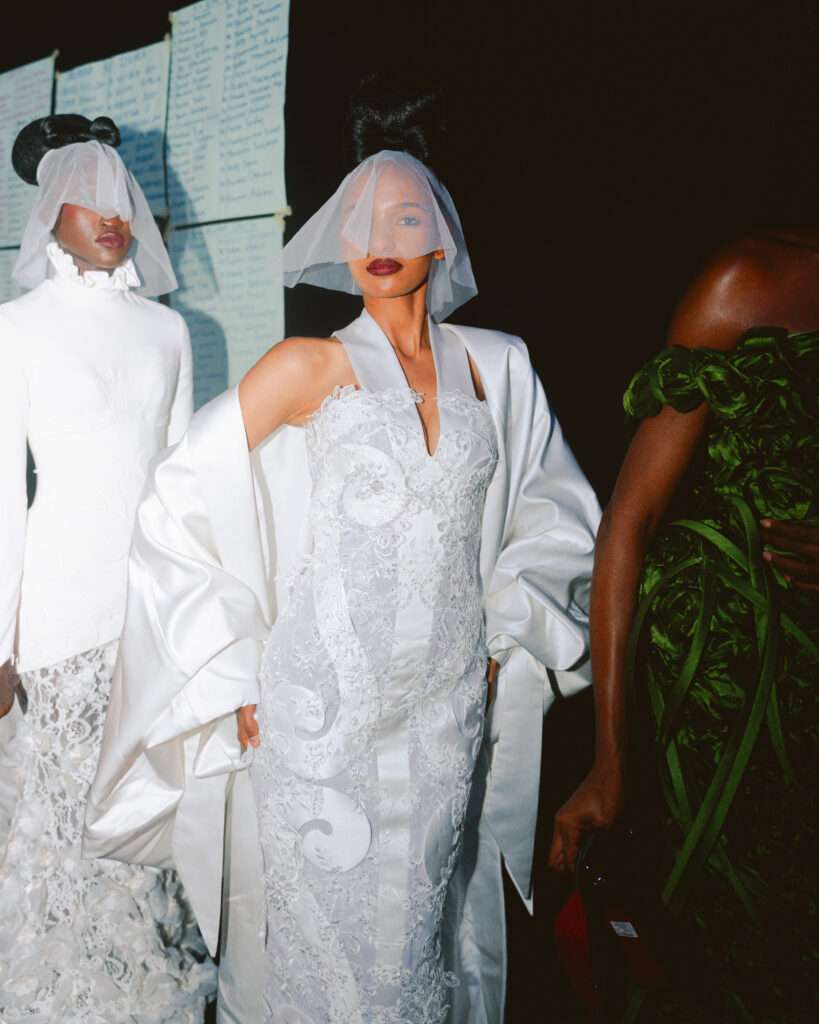
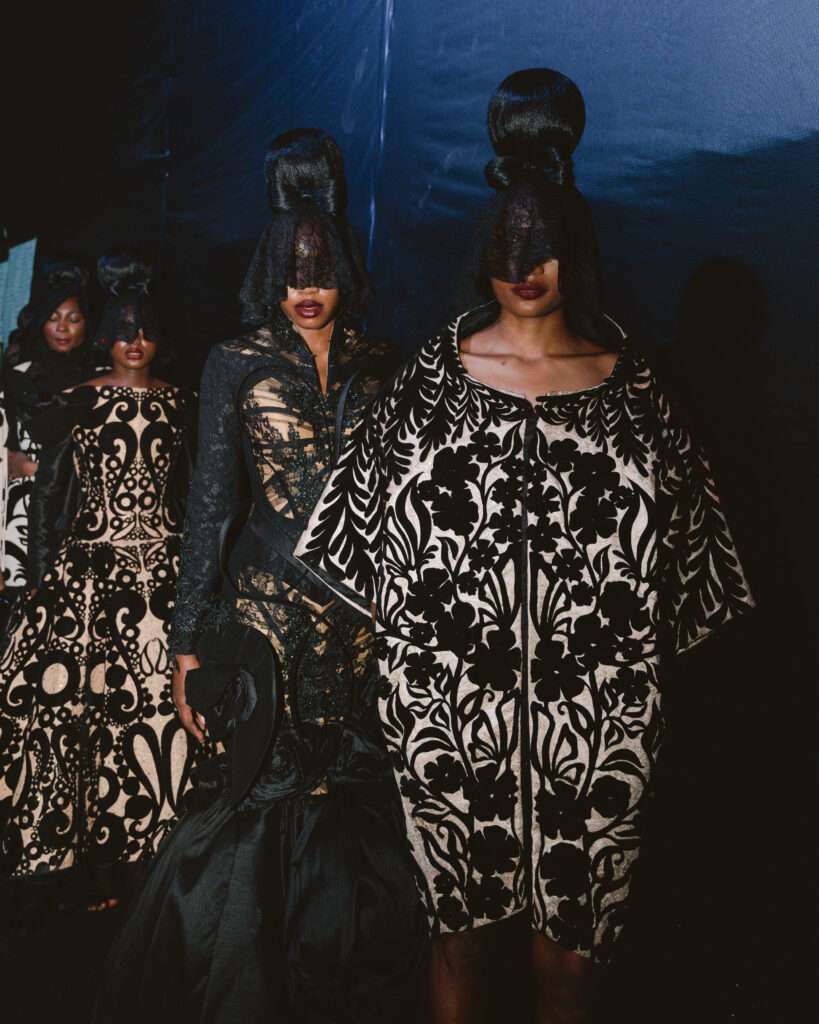
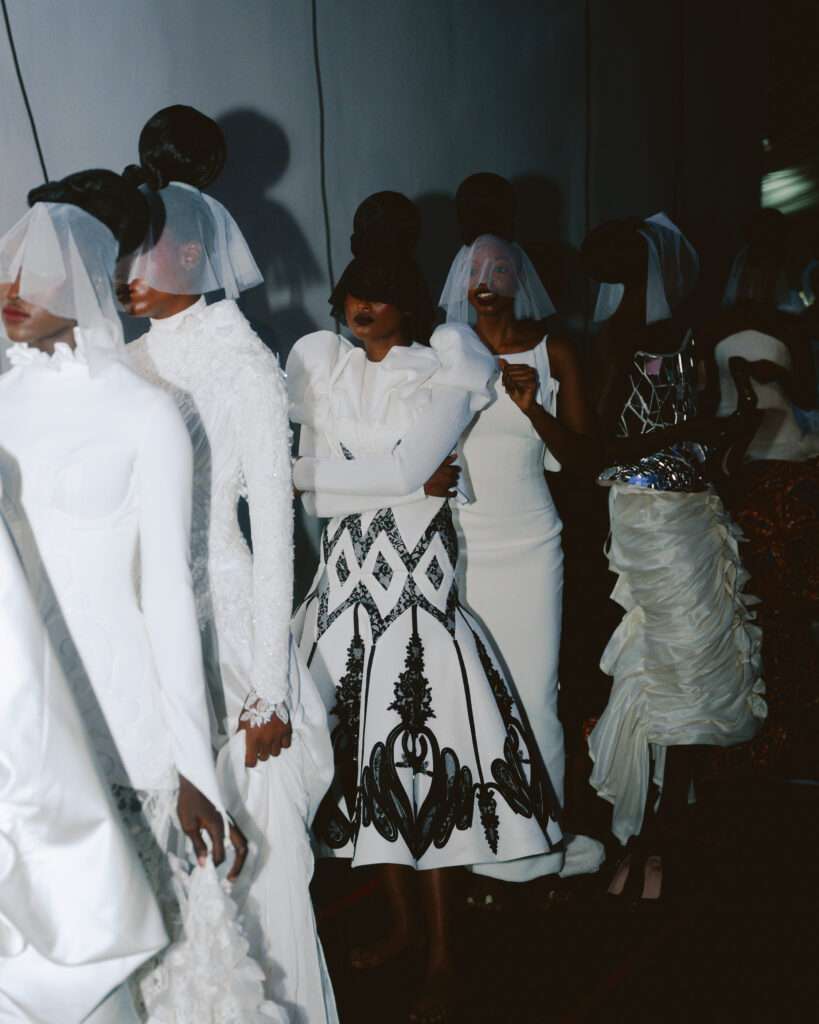
MAISON SARA CHRAÏBI Founded by Moroccan designer Sara Chraïbi, Maison Sara Chraïbi is a couture house based in Rabat, recognised for its dialogue between Moroccan craftsmanship and contemporary fashion. With an architectural background informing her approach to proportion and construction, Chraïbi works closely with artisans to develop intricate embroidery, refined silhouettes, and elaborate surface treatments. Her work brings North African cultural references into an international couture conversation, demonstrating how traditional craftsmanship can remain active within contemporary design.
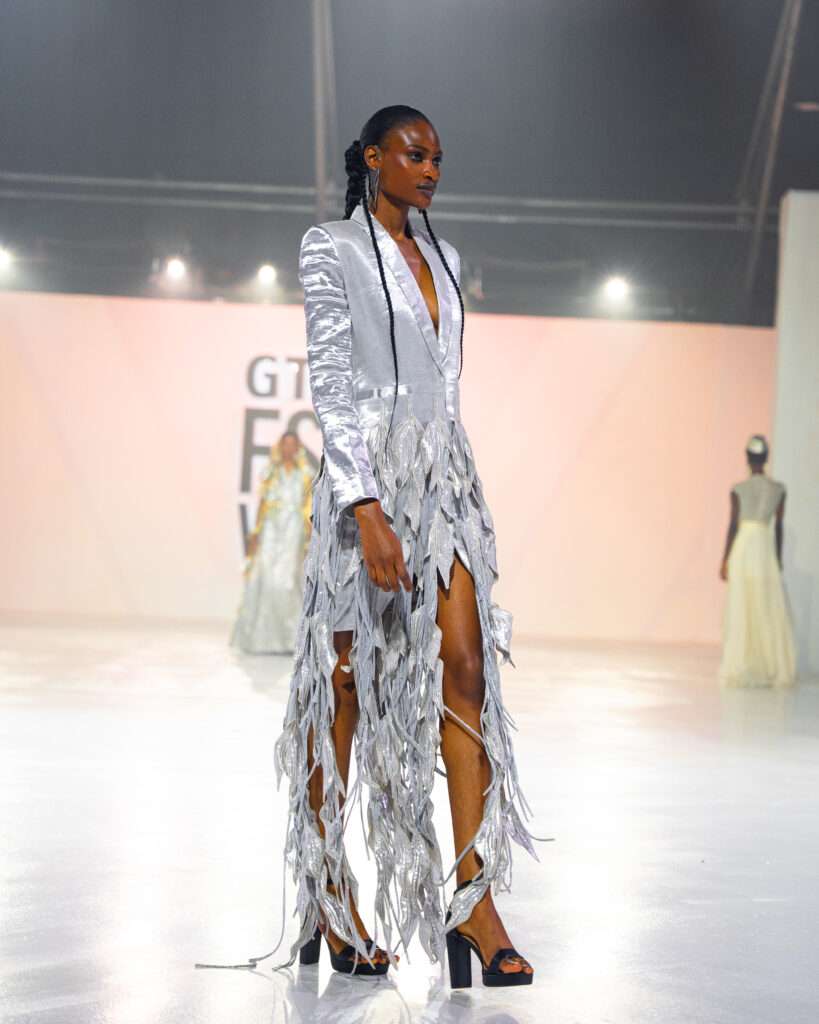
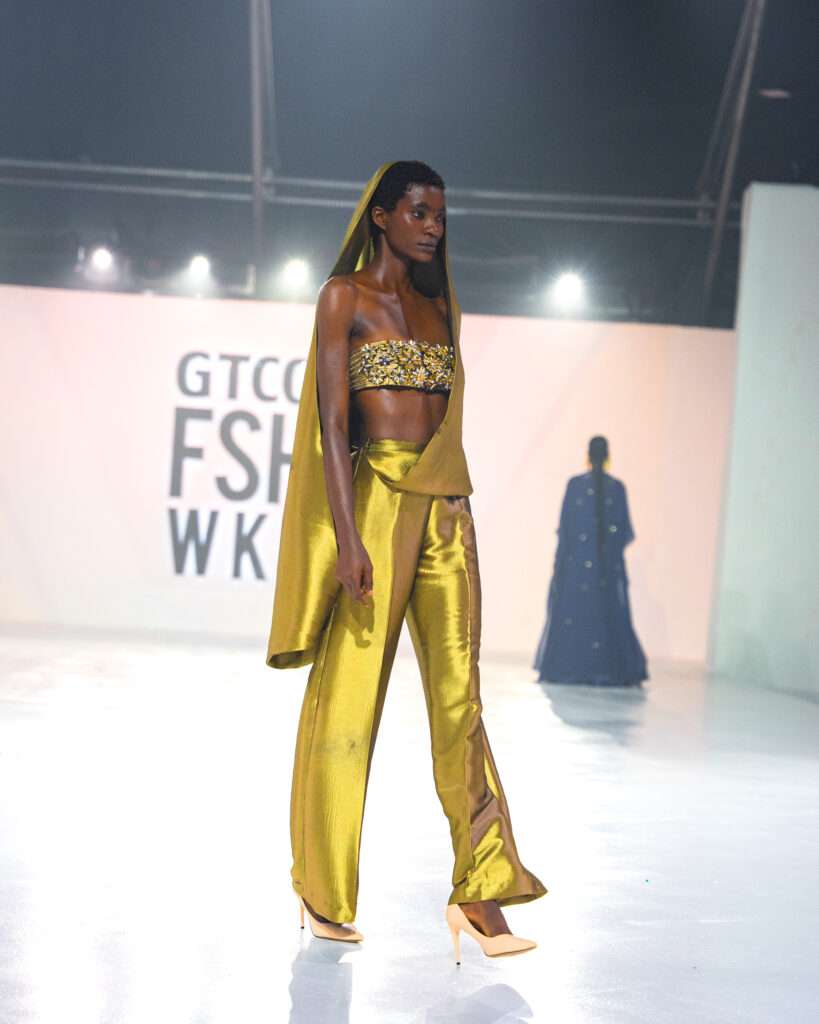
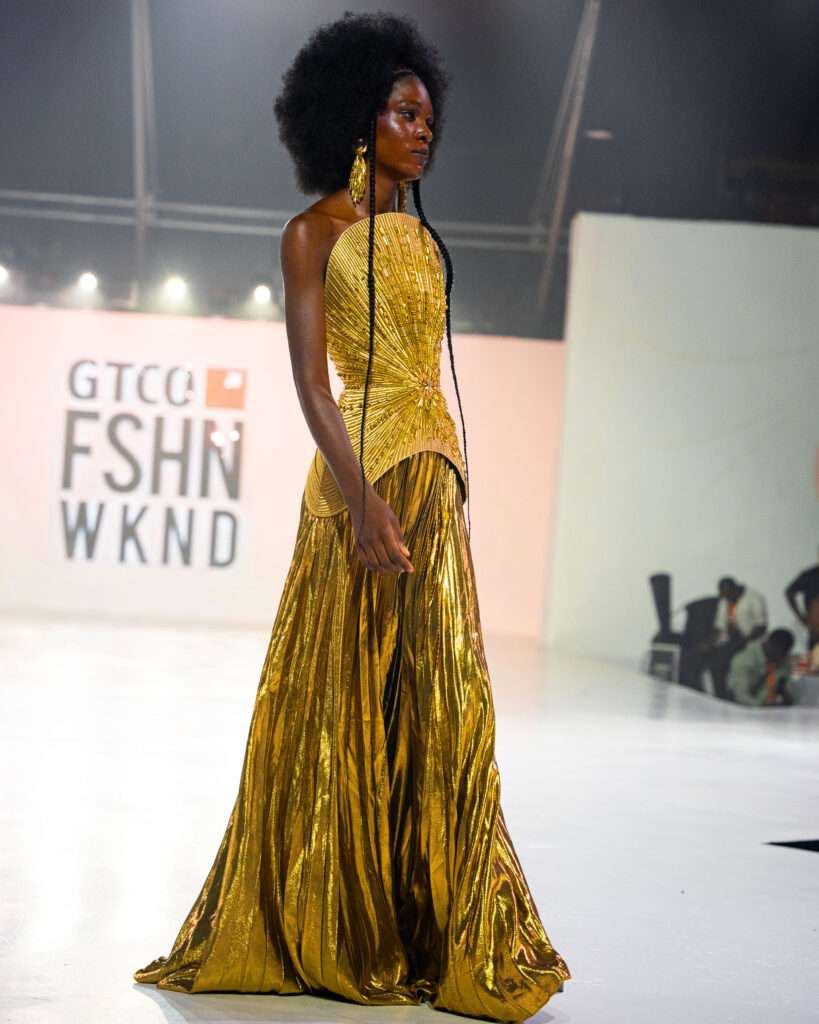
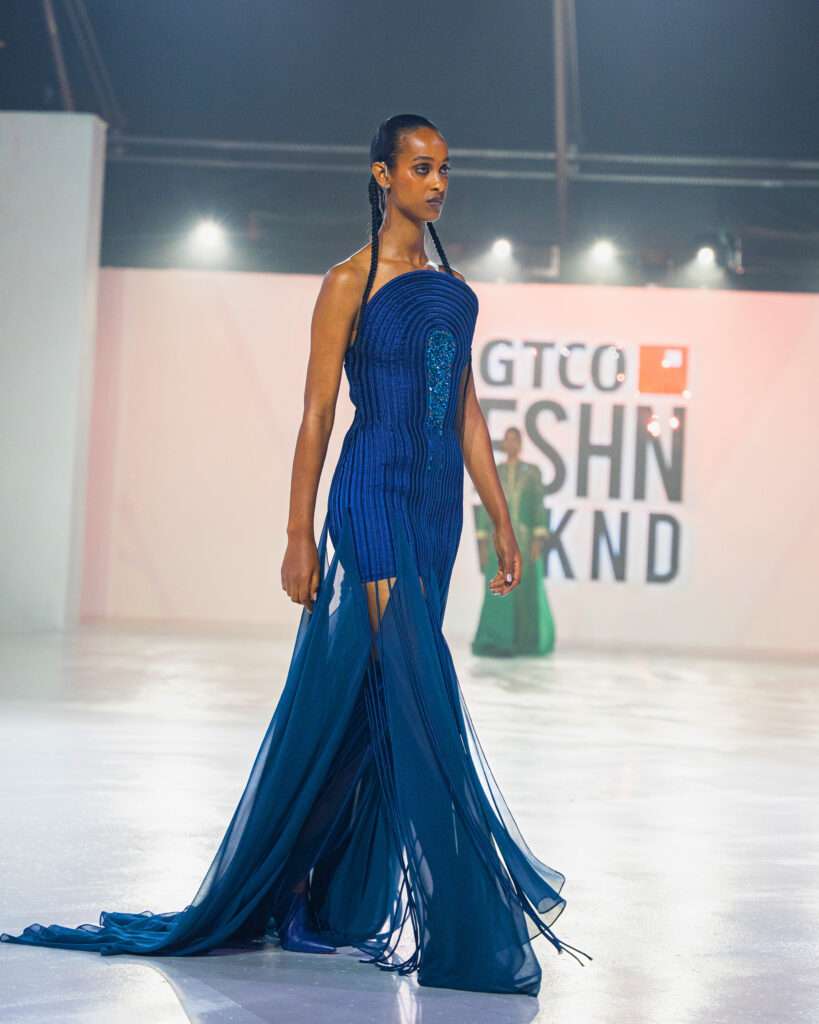
In its early years, GTCO Fashion Week demonstrated how a financial institution could participate in the creative economy beyond conventional sponsorship. GTBank created its own environment and a platform through which designers and independent businesses could engage consumers. Over the years, the runway became an increasingly prominent expression of GTCO identity. International designers, established Nigerian labels and emerging creative practitioners were brought into the same programme, creating an environment in which different fashion economies and visual languages could encounter one another in Lagos. Designers such as Loza Maléombho, Ituen Basi, Mowalola, Tolu Coker, Priya Ahluwalia and LaQuan Smith, among others, represent the breadth of perspectives that have appeared across its evolving runway programme. Their participation reflects an expanding interest in presenting African fashion within an international conversation, while also introducing audiences to designers whose practices extend beyond the geographical boundaries of their respective markets.
This development has gradually distinguished GTCO Fashion Weekend from other established fashion platforms in Nigeria. Lagos Fashion Week, for example, has historically placed considerable emphasis on the presentation of collections, the development of designers and the creation of industry relationships. GTCO Fashion Weekend operates through a different institutional arrangement. Its identity remains closely connected to its origins as a consumer-facing commercial platform, bringing together retail, education, fashion presentation and public participation. The two initiatives therefore occupy related but distinct positions within the Nigerian fashion calendar.
IMANE AYISSI: Cameroonian designer Imane Ayissi established his eponymous couture house in 2004, developing a practice that brings African textile traditions into conversation with Parisian haute couture. His work incorporates materials such as raffia, kente, and Manjak cloth, using them within a considered approach to garment-making and artisanal practice. In 2020, Ayissi became the first designer from sub-Saharan Africa invited to present on the official Paris Haute Couture calendar, marking an important moment in the international recognition of African couture.
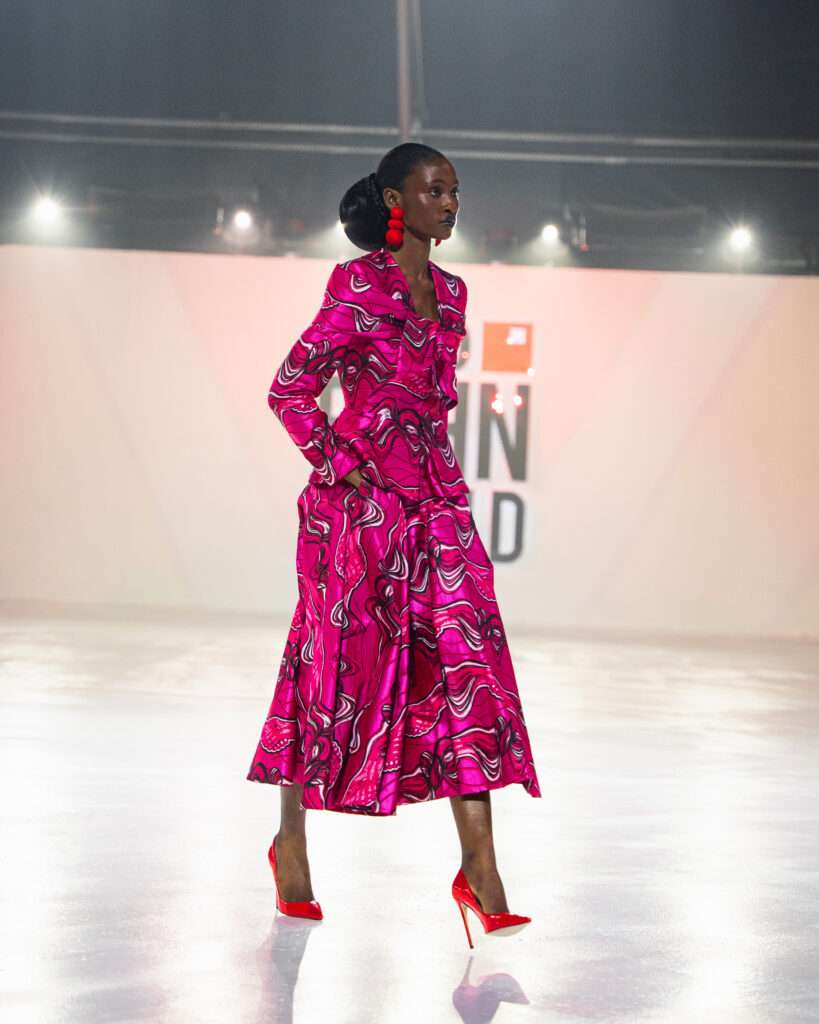
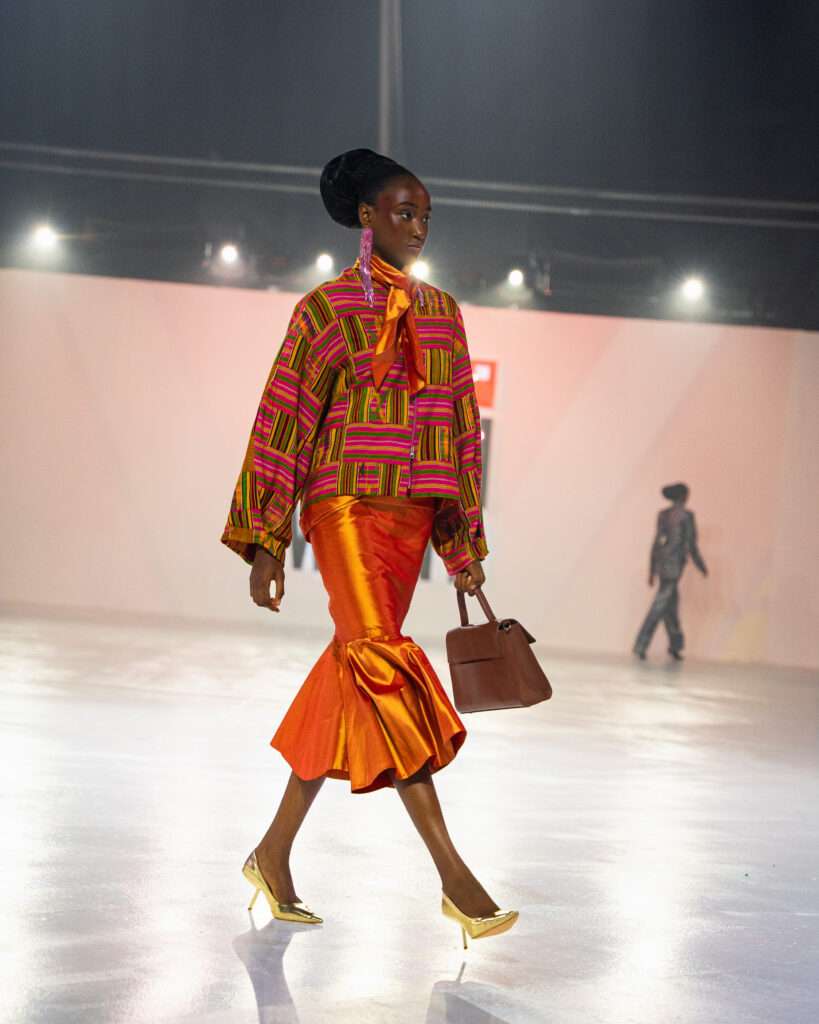
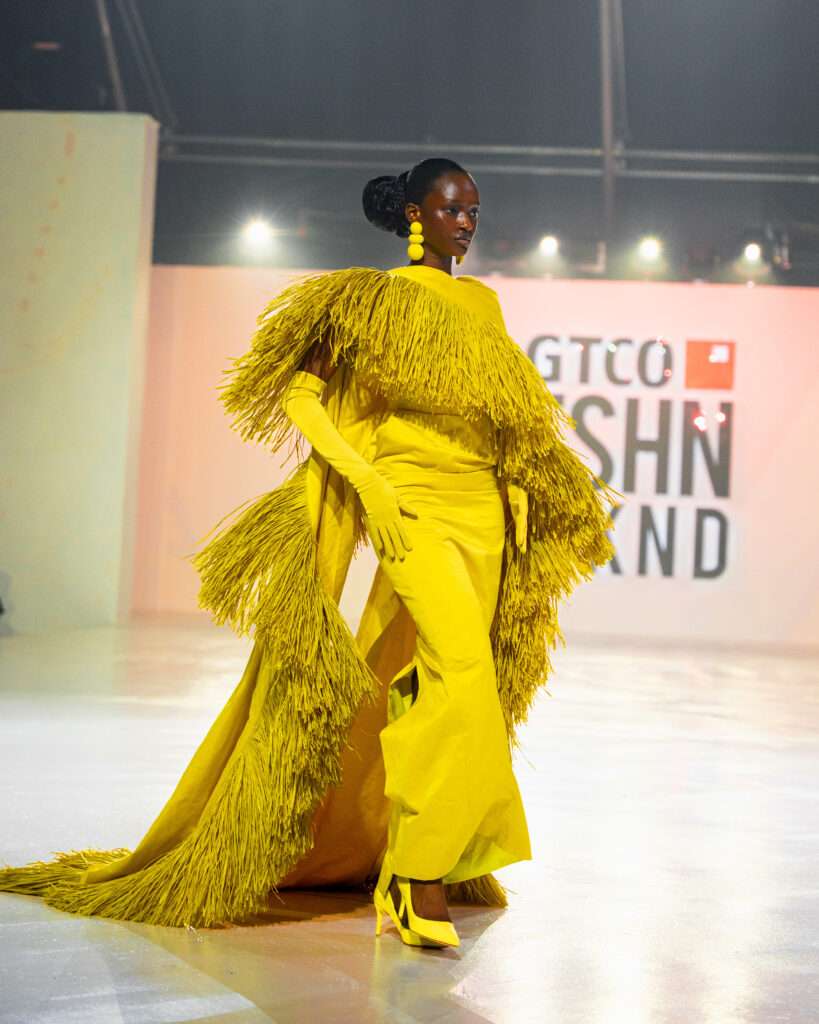
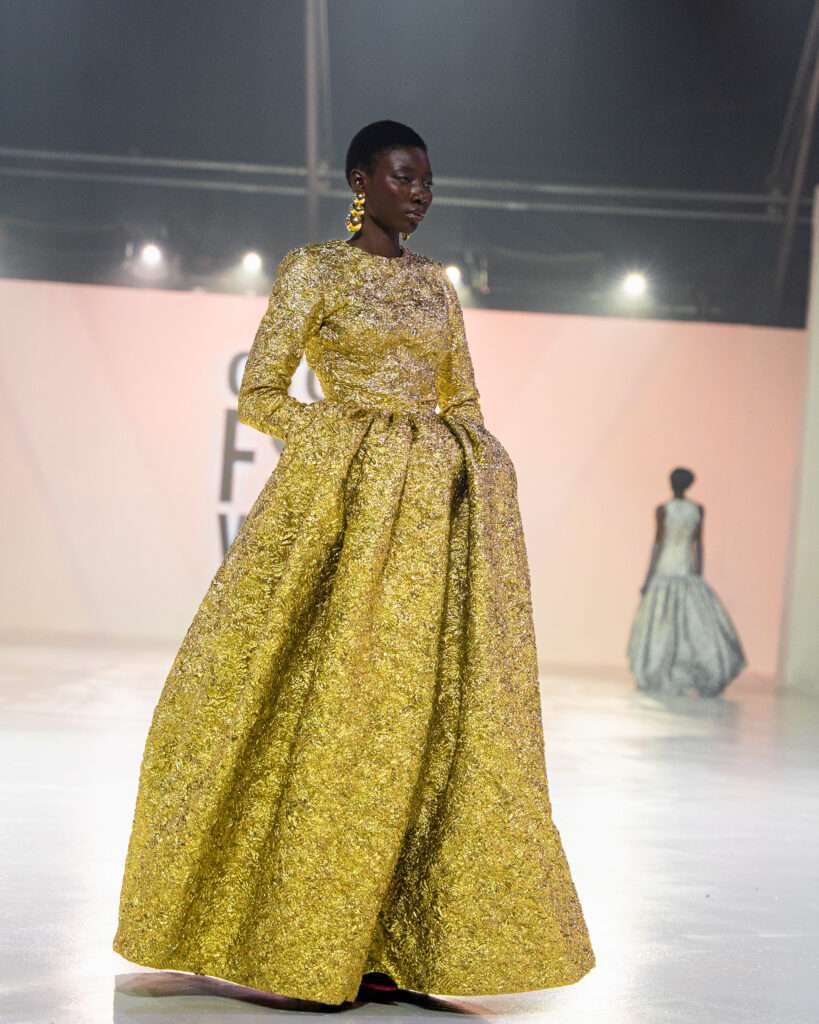
LAQUAN SMITH: New York designer LaQuan Smith established his eponymous fashion house in 2013, building a design practice rooted in expressive femininity, contemporary glamour, and a confident approach to sensuality. His collections draw on the city’s nightlife, popular culture, and Hollywood’s visual language, translating these influences into sharply defined silhouettes, revealing constructions, and considered tailoring. Worn by internationally recognised figures such as Beyoncé, Rihanna, and Lady Gaga, his work occupies a distinctive place in contemporary American fashion, exploring the relationship between personal expression, sexuality, and the art of dressing.
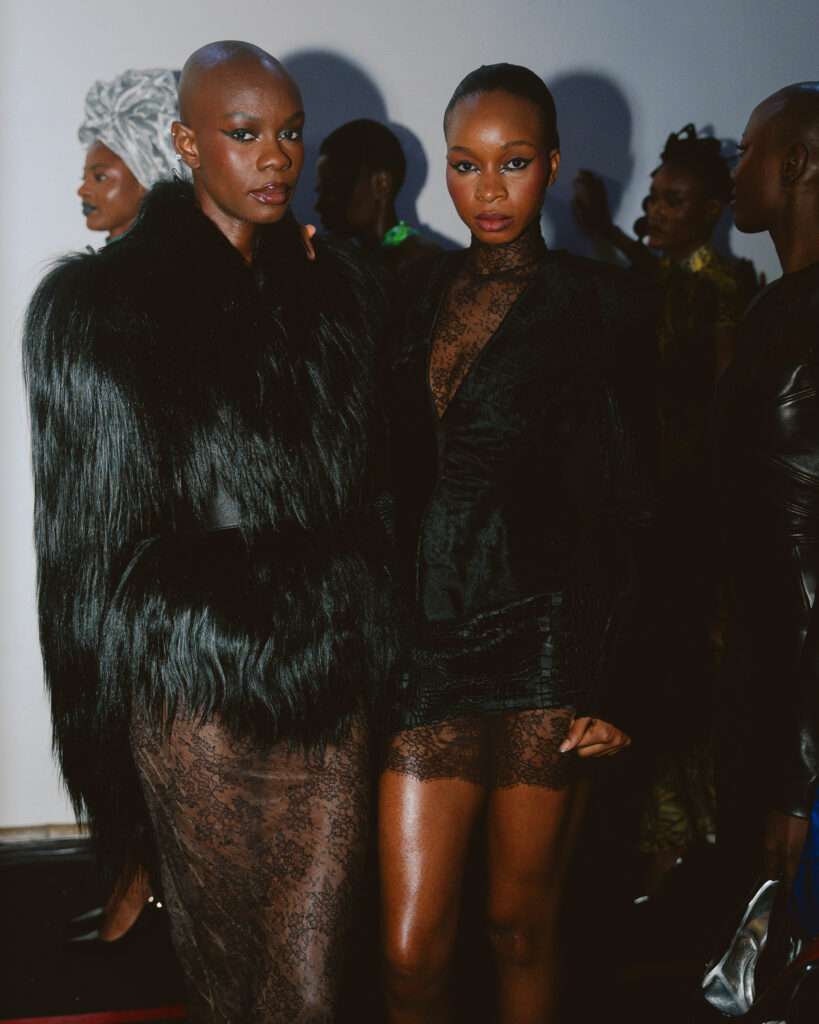
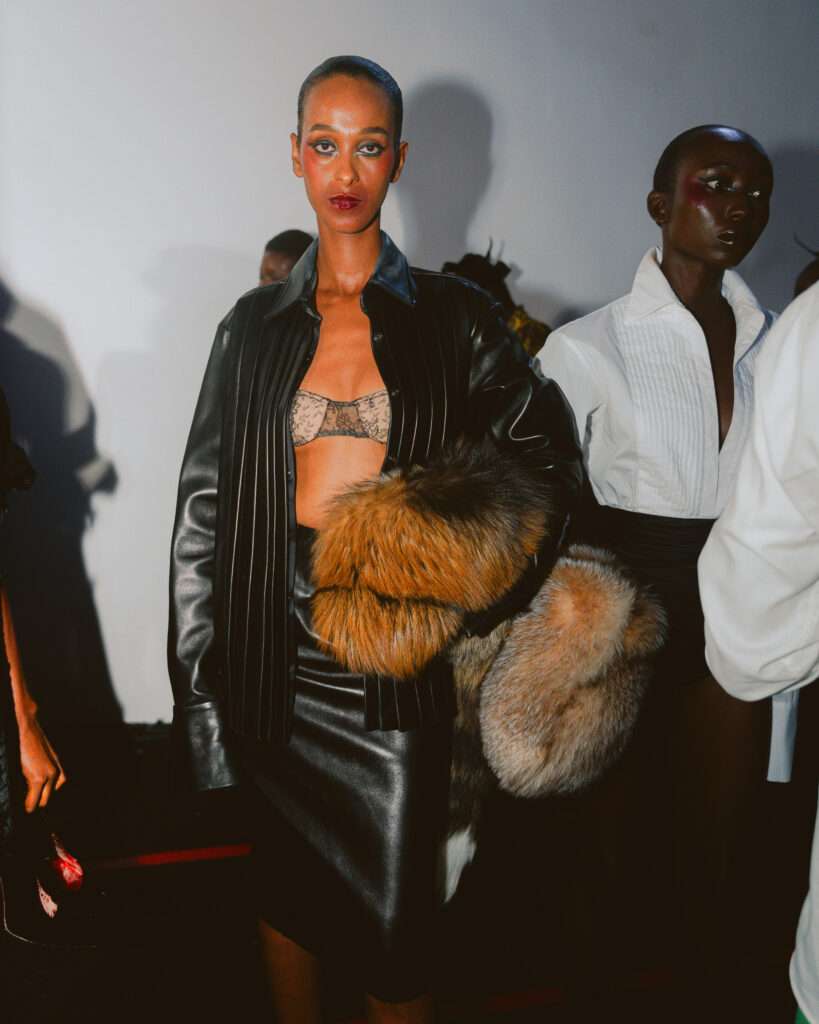
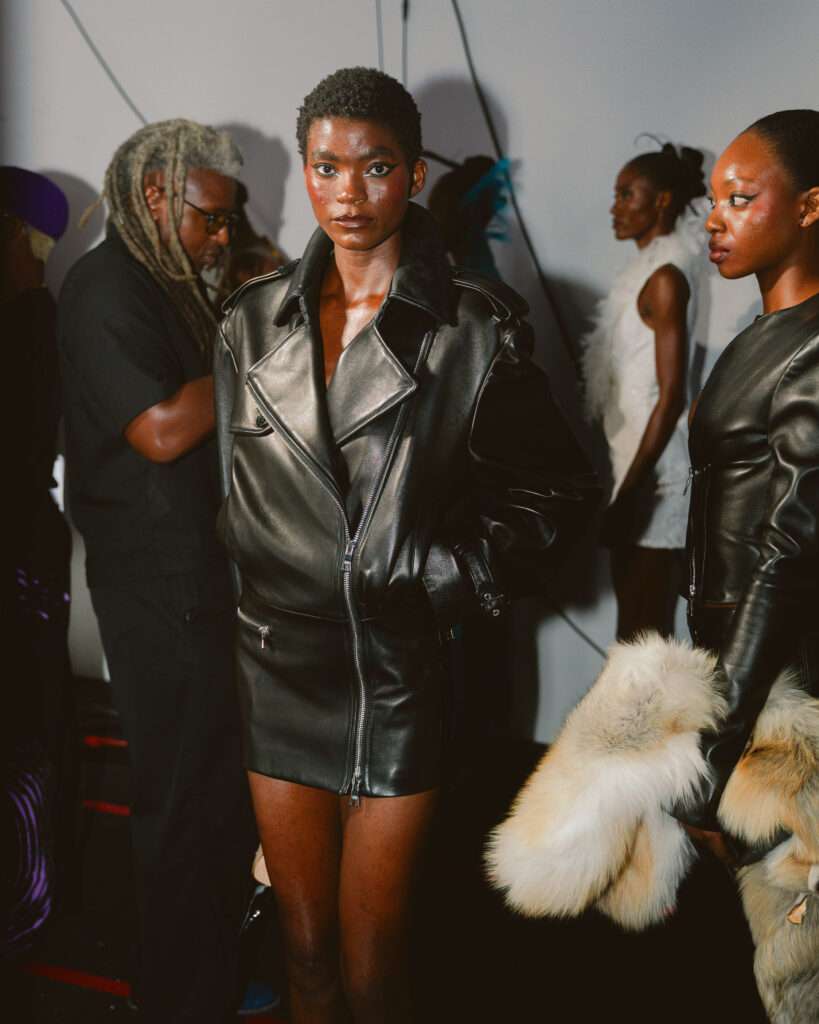
WASHINGTON ROBERTS: Born in Nigeria and based in New York, Washington Roberts leads an independent fashion house exploring the relationship between African heritage, memory, and contemporary design. Informed by early exposure to traditional craftsmanship and professional experience at international fashion houses, Roberts treats cultural references as evolving material rather than fixed historical symbols. His collections combine considered tailoring, distinctive forms, and material exploration, positioning heritage within a contemporary design vocabulary.
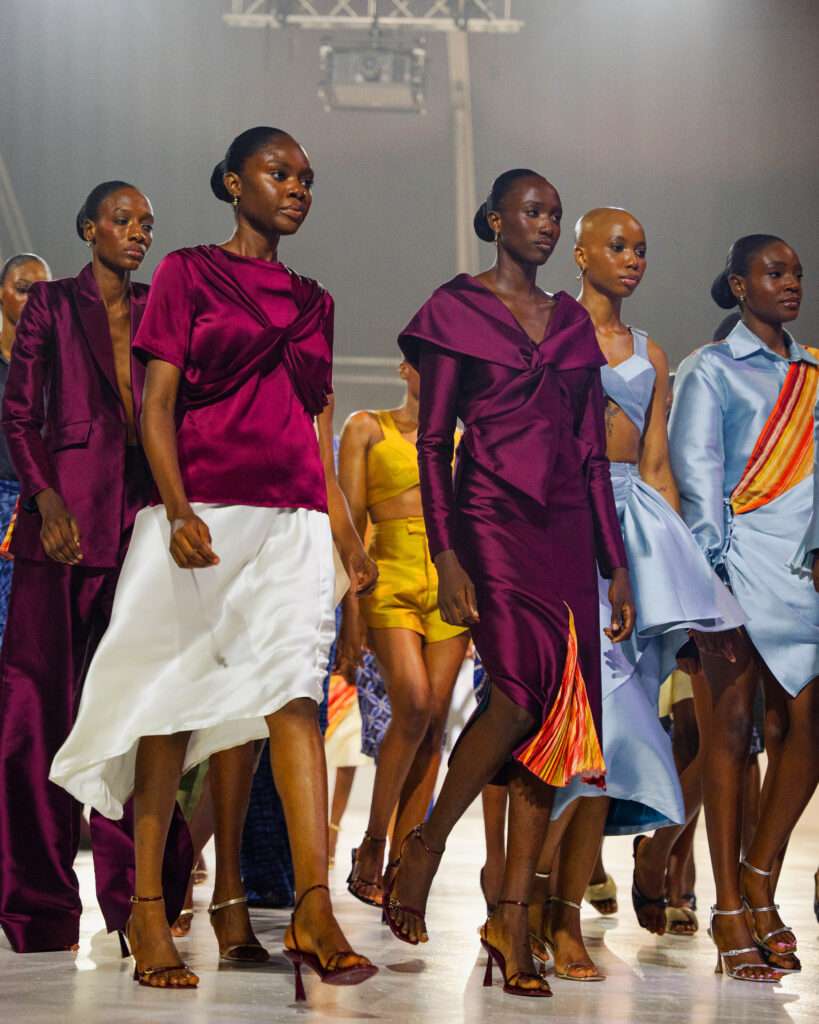
Taken together, the designers in the 2026 programme suggest an increasingly expansive understanding of the fashion conversation GTCO wants to host. The presence of practitioners working across Africa, its diaspora, and the wider international industry creates opportunities for exchange between different design histories and markets. Yet international participation becomes most meaningful when it contributes to the development of the local industry as well. The question is not simply how many international names appear in Lagos, but what forms of exchange, access, and professional relationships their presence makes possible for the designers, businesses, and audiences who encounter them.
That question becomes particularly relevant with the introduction of the GTCO Fashion Collective in 2026. Intended to extend the relationships and activities surrounding Fashion Weekend beyond its annual gathering, the initiative brings together designers, photographers, filmmakers, stylists, models, editors, buyers, and other creative professionals. It signals an ambition to build a more continuous fashion network rather than concentrating the institution’s activities into a single weekend of programming.
This is a notable shift in direction. A weekend can create visibility, generate commercial activity, and attract an audience, but an industry requires continuity. It requires relationships that survive beyond events, access to opportunities that are not dependent on an annual invitation, and structures through which creative professionals can develop their practices and businesses over time. The Fashion Collective introduces a different measure against which GTCO’s contribution may eventually be understood: not only what the weekend presents each year, but what it enables throughout the rest of the year.
There is also a larger cultural consideration. As African fashion receives increasing international attention, the question of how it is presented becomes as important as the question of who is presenting it. International participation can create valuable exchanges, but the development of a recognisable African fashion industry also requires investment in local creative knowledge, production capabilities, archives, criticism, distribution, and the institutions that preserve its history. These are not peripheral concerns. They are part of what allows fashion to develop beyond individual collections and successful events into a functioning industry.
GTCO Fashion Weekend has demonstrated that a financial institution can take an active role in creating a platform for an industry beyond its conventional banking interests. Its longevity, public attendance, and expanding programme suggest that the original initiative has developed into something with considerable cultural and commercial significance. Its first decade, however, should be understood as a foundation rather than a conclusion. The next stage will depend on whether the visibility it generates can be translated into lasting opportunities, stronger professional networks, and more durable structures for the people working within African fashion. The measure of its future success will not simply be how many people gather in Lagos for a weekend, but what becomes possible for the industry after they leave.