
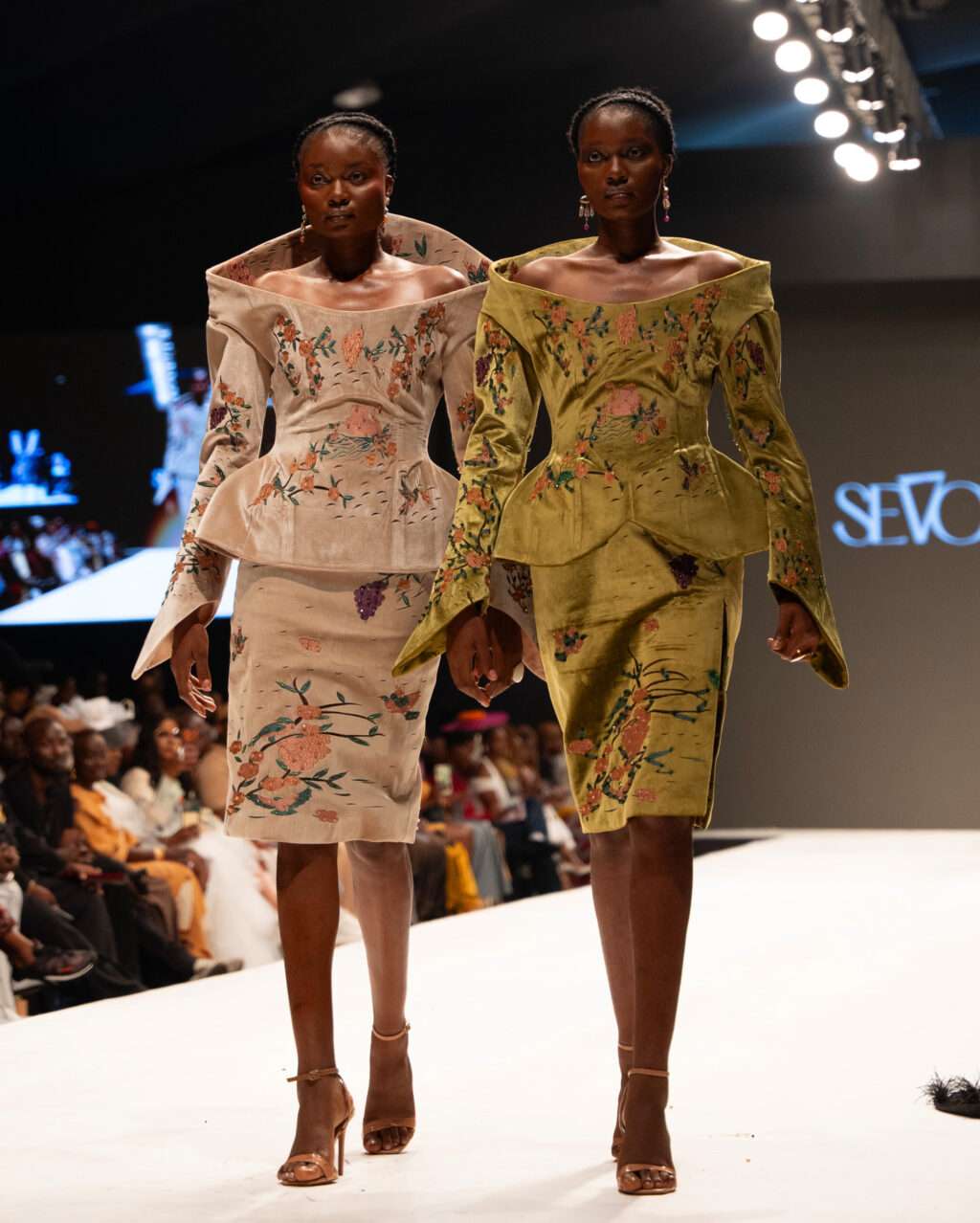
When Omoyemi Akerele established Lagos Fashion Week in 2011, the immediate challenge was visibility. African designers needed a credible, recurring platform through which they could present their collections, attract international media attention, meet buyers and participate in a fashion conversation that had historically afforded the continent limited space. Fifteen years later, that conversation has become considerably more expansive. What began as an effort to establish African designers within the international fashion landscape has grown into something more consequential: an ongoing strategy to build an industry, strengthen its creative infrastructure and articulate a fashion language that is increasingly confident in its own references.
In its early years, Lagos Fashion Week helped position Lagos as a destination for contemporary fashion, giving Nigerian designers a platform to reach wider audiences. Designers such as Lisa Folawiyo, Maki Oh and Orange Culture, followed by Kenneth Ize, became important figures in a generation that helped shape the perception of contemporary Nigerian fashion. Their practices, although distinct in approach, contributed to a growing understanding of what African design could represent beyond established expectations of traditional dress and traditional aesthetics. The platform offered more than a runway; it provided a point of visibility around which designers, manufacturers, retailers, media and creative communities could begin to converge.
As the event progressed, its cultural reach expanded. Key players from Ghana, Côte d’Ivoire, Kenya, South Africa and other parts of the continent became increasingly present, moving Lagos Fashion Week from a predominantly Nigerian showcase towards a T-junction for different African fashion industries. By 2023, the programme had grown to nearly 50 runway shows and presentations, reflecting an increasingly Pan-African orientation. This expansion was significant not simply because more designers were participating, but because it introduced a wider exchange of creative practices, cultural references and approaches to fashion production. Lagos was becoming a place where the continent’s different fashion identities could encounter one another without necessarily being reduced to a singular definition of African fashion.
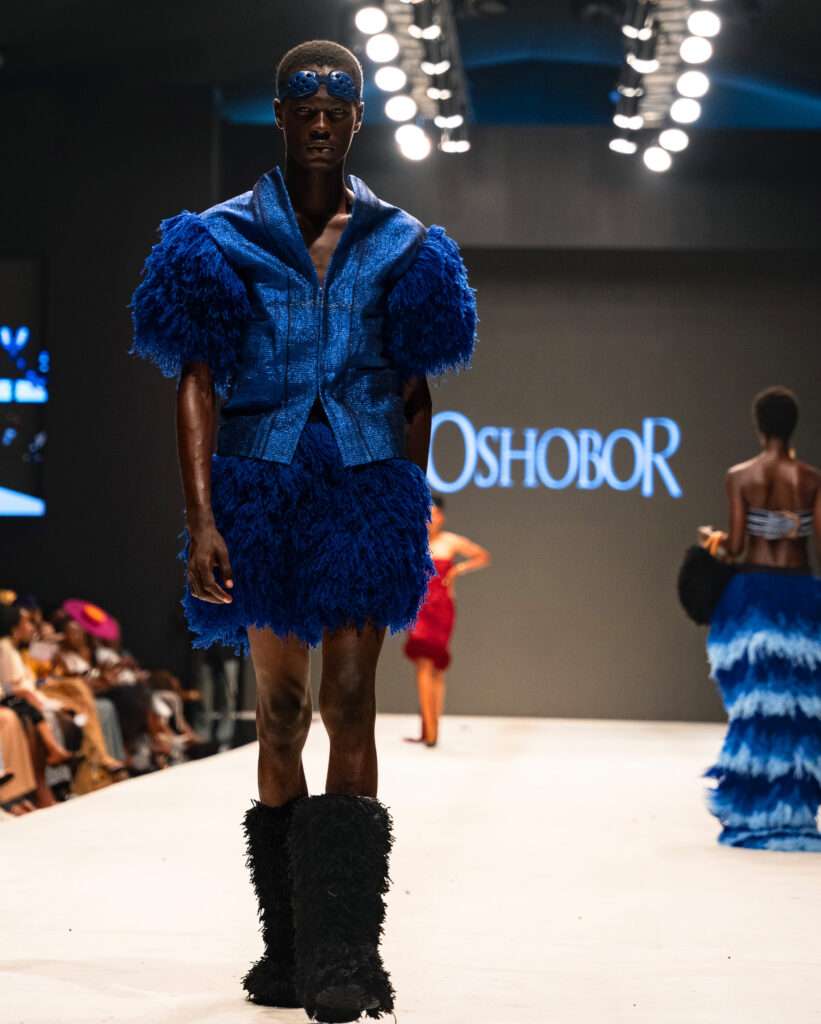
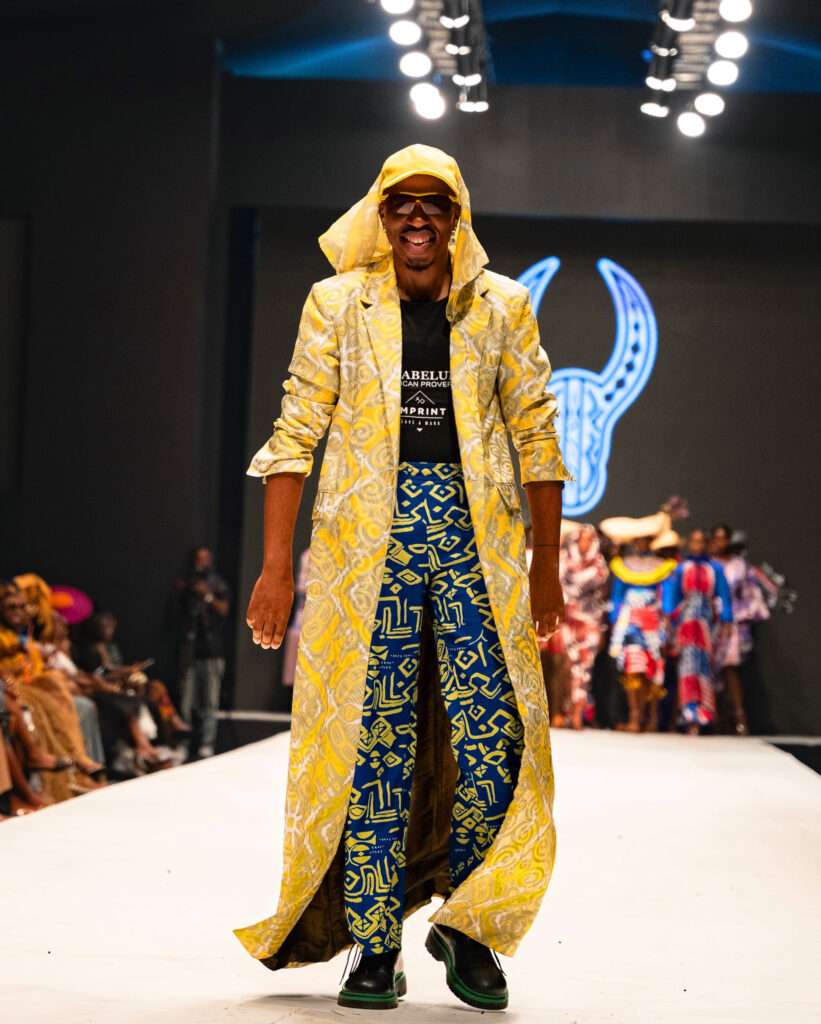
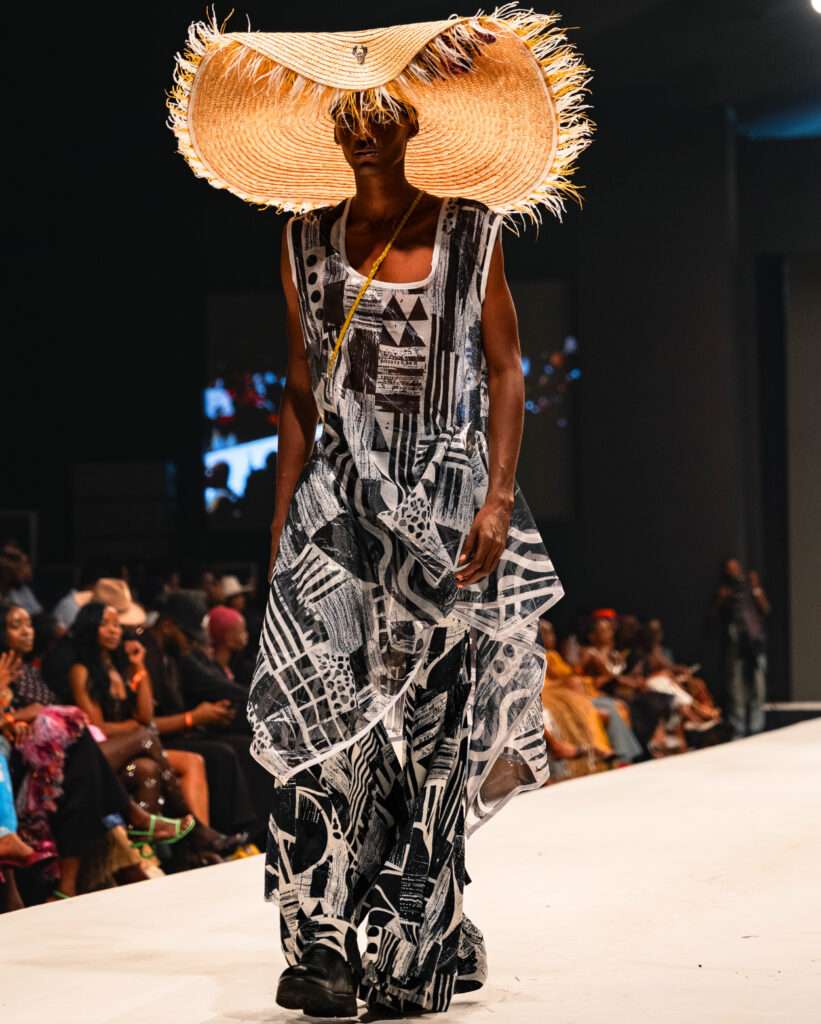
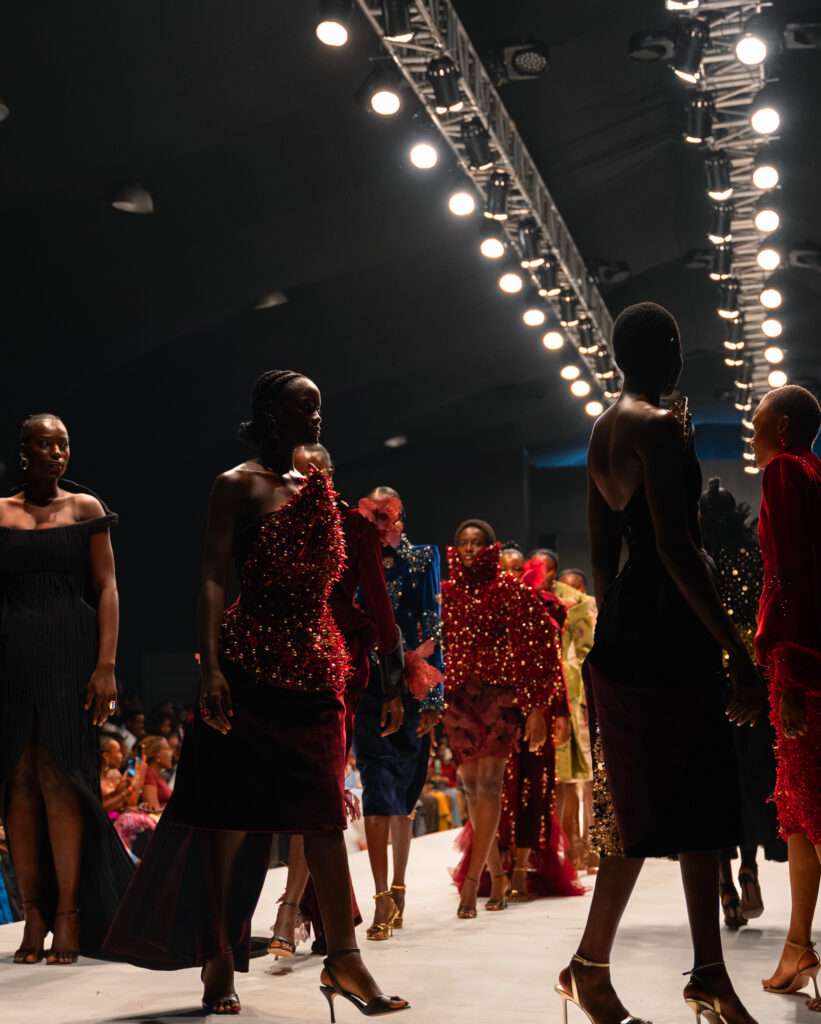
Perhaps one of the most notable changes over these fifteen years has been the evolution of the language through which African fashion is understood. Much of the earlier international attention was directed towards the recognition of African aesthetics, often through colourful prints, traditional textiles, embellishment and other immediately identifiable cultural references. While these elements remain important to many design practices, they no longer adequately describe the breadth of contemporary work emerging from the continent. Designers such as Lagos Space Programme, Weiz Dhurm, and Iamisigo are engaging with questions of identity, masculinity, gender, indigenous knowledge, material research and the complexities of contemporary African life. Their work approaches fashion not merely as an expression of cultural heritage, but as a medium through which new ideas, histories and possible futures can be constructed. This nuance matters. It moves African designers beyond the expectation of serving as cultural representatives, allowing them to participate as authors of new design languages and contributors to the wider intellectual and creative direction of world fashion. The conversation is now about the ideas African fashion introduces, the histories it interrogates and the possibilities it makes visible.
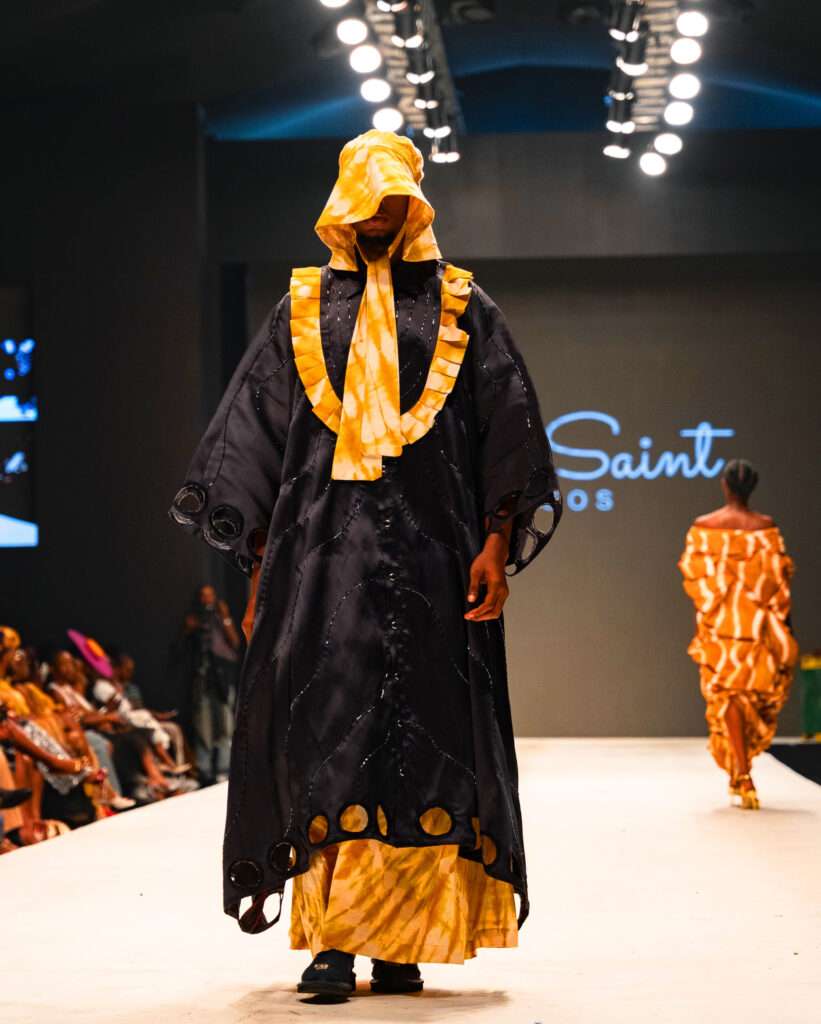
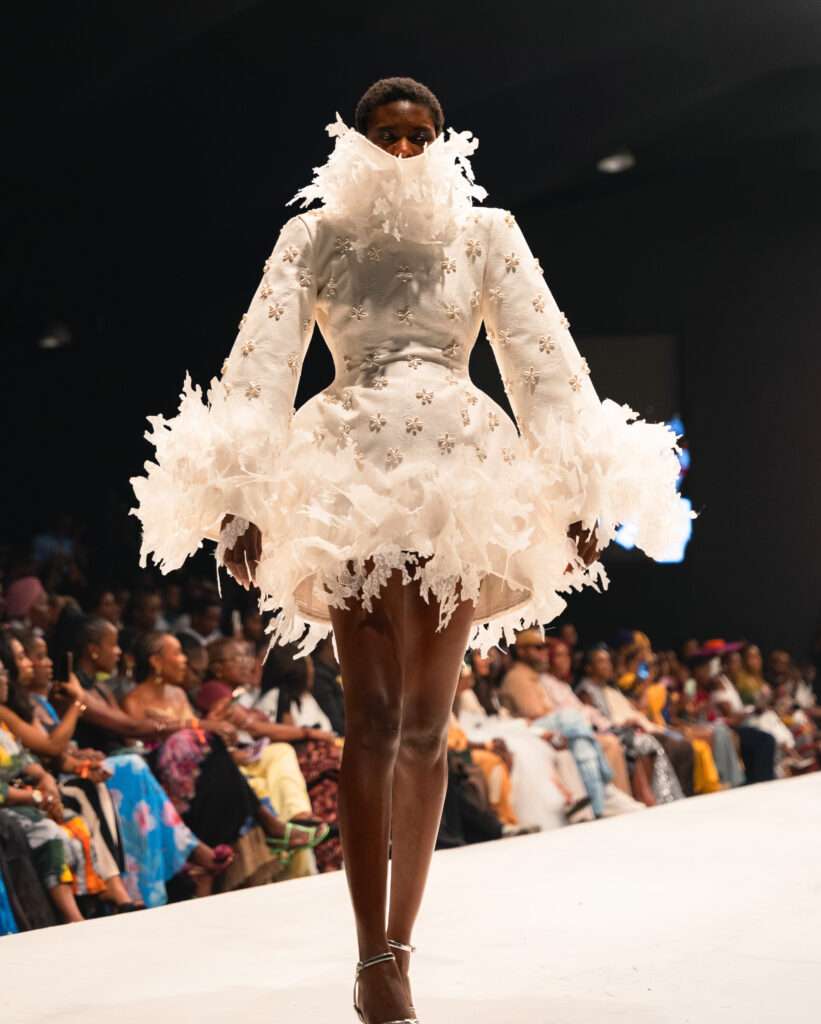
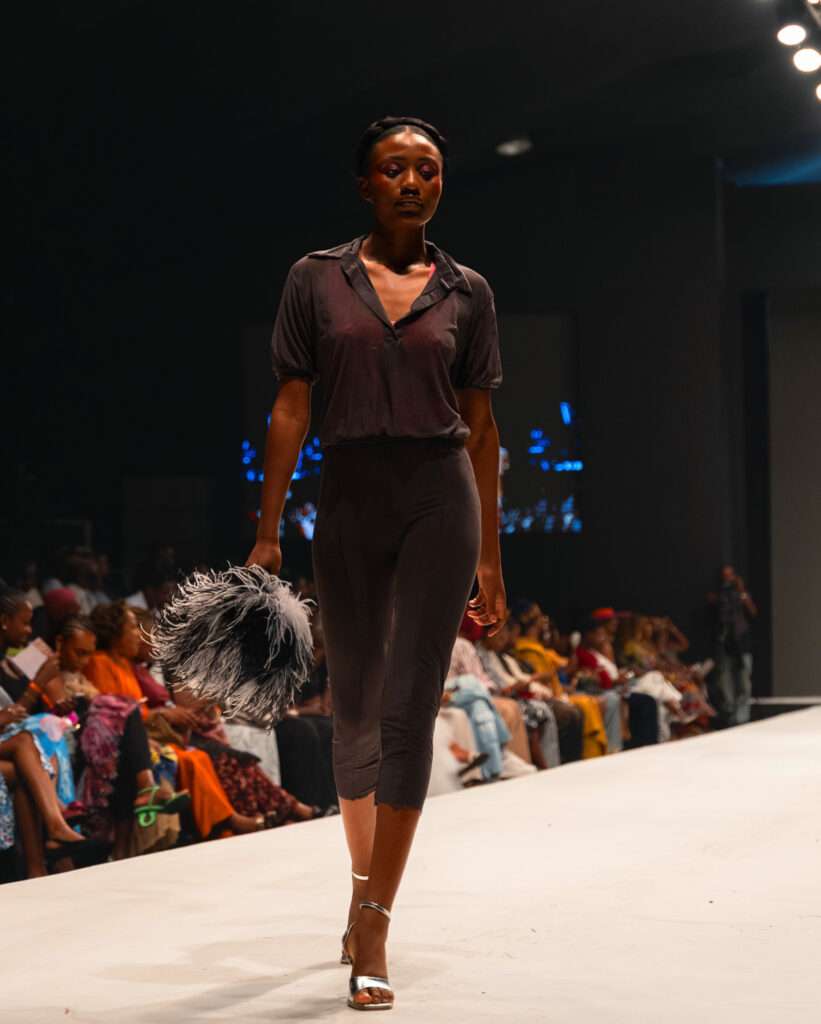
The sixteenth edition of Lagos Fashion Week, held from October 28 to November 1, 2026, offered another expression of this expanding landscape. The programme brought together designers from across the continent and beyond, with participation from Uganda, South Africa, Morocco and Côte d’Ivoire. Uganda’s IGC Fashion joined the schedule, while Ghana’s Christie Brown and Côte d’Ivoire’s Elie Kuame returned alongside Nigerian designers Lisa Folawiyo and Bridget Awosika. The presence of established labels alongside designers like Oshobor, Nkwo, Cynthia Abila, Imprint South Africa, Sevon Dejana and Cute Saint, entering the platform from other African markets, reflected the increasingly interconnected character of the event. It also demonstrated the continuing relevance of Lagos Fashion Week to designers at different stages of their careers, not simply as an introduction to the industry, but as a space for continued participation and exchange.
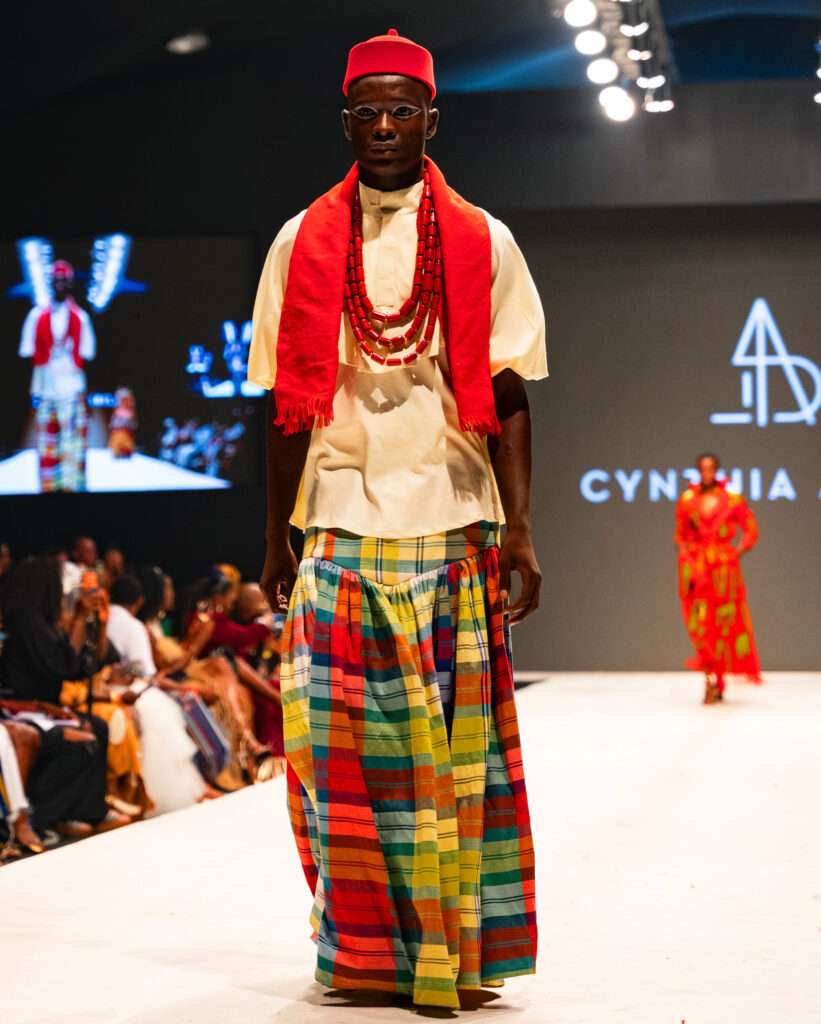
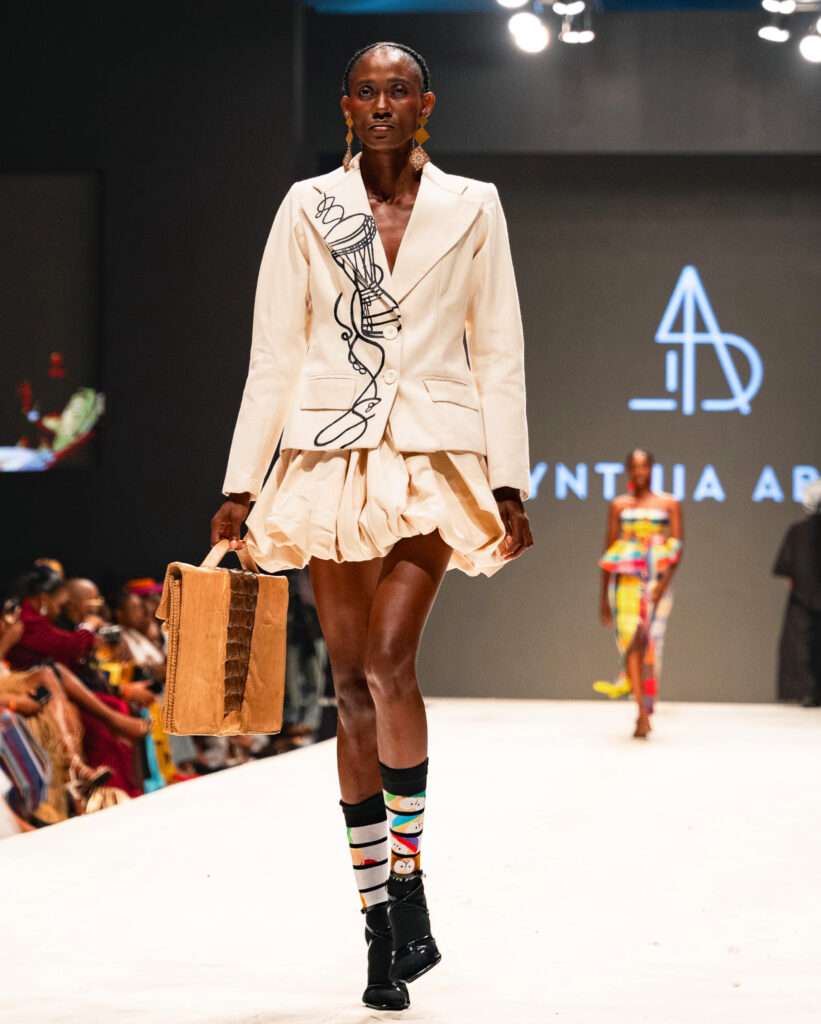
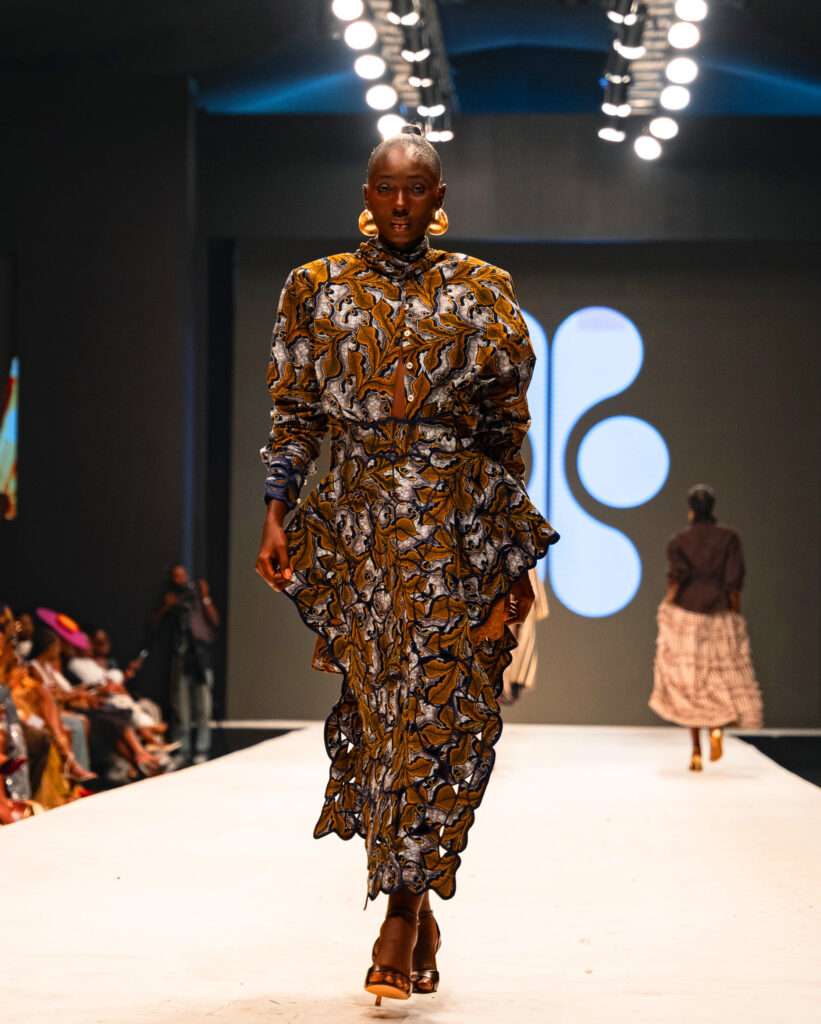
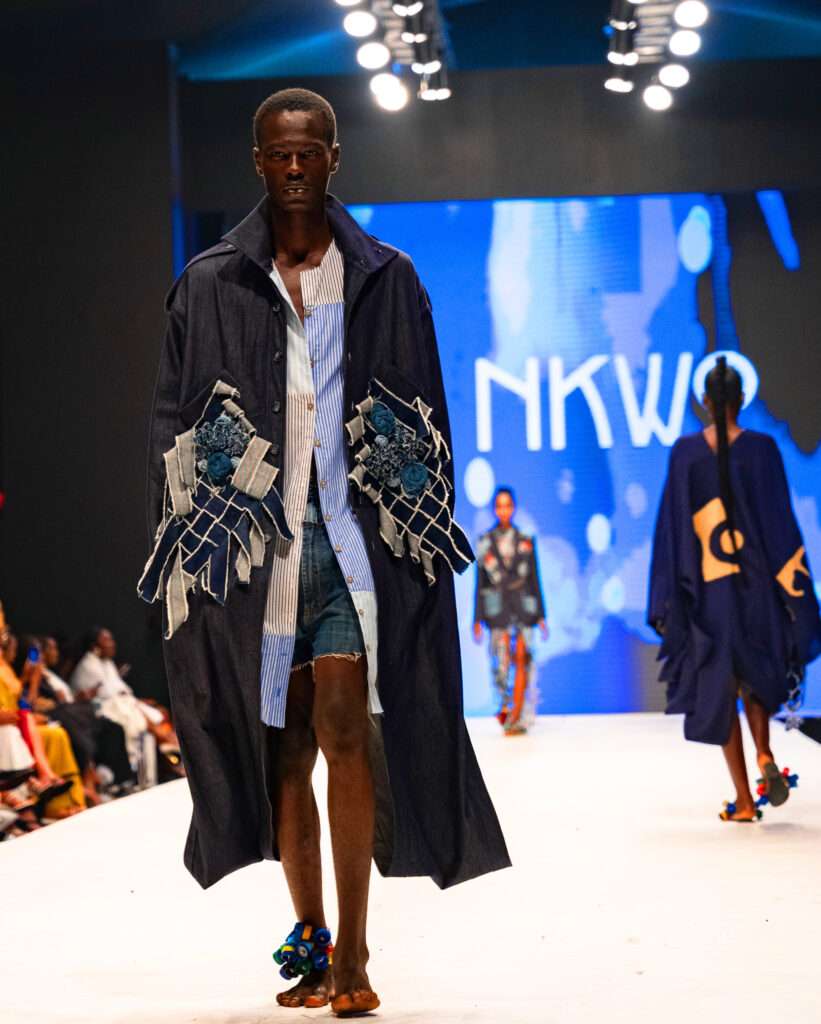
Beyond the runway, the 2026 programme maintained an engagement with the wider conditions shaping fashion production on the continent. Sustainability remained a prominent concern through the Irapada initiative. At the same time, business masterclasses and participation from international industry institutions extended the programme into questions of commercial development, knowledge exchange and the practical structures supporting creative businesses. These conversations are important because the future of African fashion cannot be understood exclusively through the collections presented each season. It is equally shaped by access to manufacturing, the preservation of artisanal knowledge, the availability of materials, distribution networks and the ability of independent designers to develop sustainable businesses around their creative practices.
Fifteen years after its establishment, Lagos Fashion Week occupies a different position within the African fashion landscape from the one it initially set out to create. Its growth reflects a broader shift in which African fashion is increasingly understood as a diverse and evolving field of creative production, rather than a peripheral category within the international industry. The designers who helped establish its early identity have contributed to a foundation upon which newer generations can experiment, question and develop their own approaches. The platform, in turn, has become a space where these different generations and geographies can share a common stage without necessarily sharing a common aesthetic.
Lagos, a city whose cultural life has long been shaped by movement, commerce, music, art and an extraordinary capacity for reinvention, provides a fitting setting for an industry negotiating its relationship with both local histories and international possibilities. Lagos Fashion Week’s contribution lies not only in the collections it presents, but in the conversations, encounters and creative relationships it continues to facilitate. As African fashion moves further into the international conversation, the question is increasingly less about establishing its presence and more about recognising the breadth of its influence. Lagos Fashion Week’s fifteen-year journey offers a compelling record of that transition, from the pursuit of visibility to the development of a more expansive creative and commercial ecosystem.
Its 2026 edition continues that conversation, bringing together different generations of designers and distinct approaches to contemporary fashion, while reaffirming the importance of a platform through which African fashion can encounter itself, articulate its own possibilities and contribute to the future of design on its own terms.
Photography by Obaroh Oghenemairo Jesse