Some athletes become part of sports history through the records they break. Others also become part of the visual memory through which generations come to understand the sport in itself. For Nike and Air Afrique, documenting the careers of Carl Lewis and Ladji Doucouré during Académie des Airs in Dakar offered an opportunity to consider both dimensions: the achievements that define an athlete and the images, experiences, and personal decisions that give those achievements a grand meaning.
A nine-time Olympic gold medallist and eight-time world champion, Carl Lewis remains one of the most influential figures in track and field. Competing across four Olympic Games between 1984 and 1996, he established himself in both sprinting and the long jump, winning four gold medals at the Los Angeles 1984 Olympics alone. His victories in the long jump across four consecutive Olympic Games remain among the sport’s most remarkable records. His career also unfolded during a period in which the international visibility of Black athletes was changing, with sporting achievement increasingly intersecting with questions of representation, celebrity, and cultural influence.
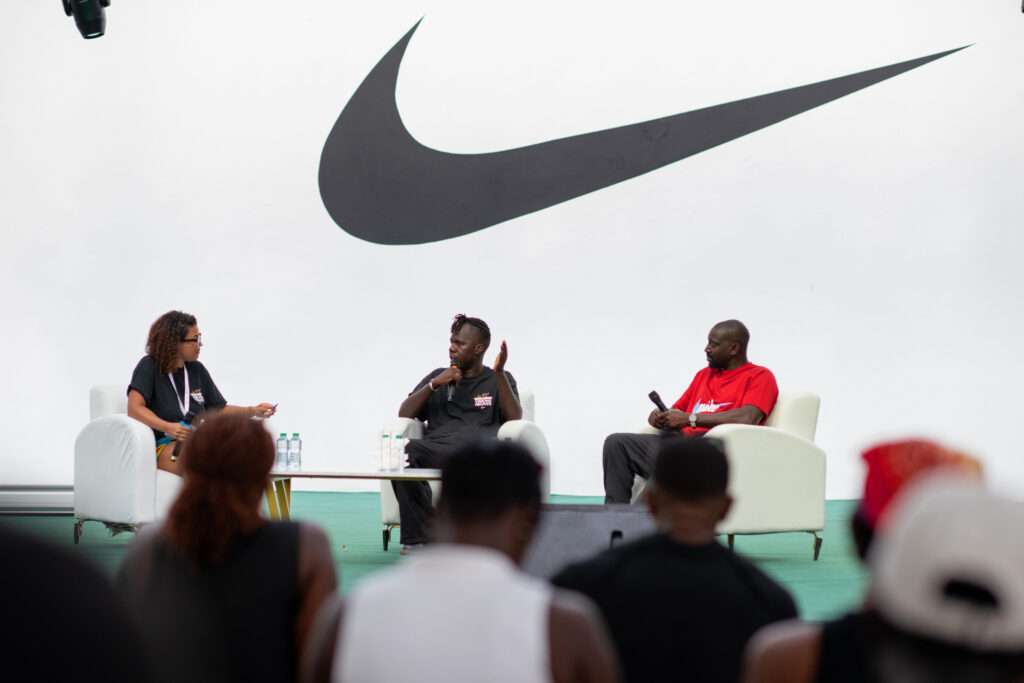
At Académie des Airs, Lewis joined Air Afrique for The First Time of… Carl Lewis, a conversation examining the impact of images in sport. The subject was particularly fitting for an athlete whose career has been documented across decades of sports photography, television, and international media. Sporting images do more than record a result. They determine how performances are remembered, which moments become iconic, and how athletes are represented to audiences who may never have witnessed them compete. In bringing Lewis into conversation with Air Afrique, the programme opened a discussion about photography as an important part of sporting history, and about the responsibility of those who make images to shape the archive that future generations inherit.
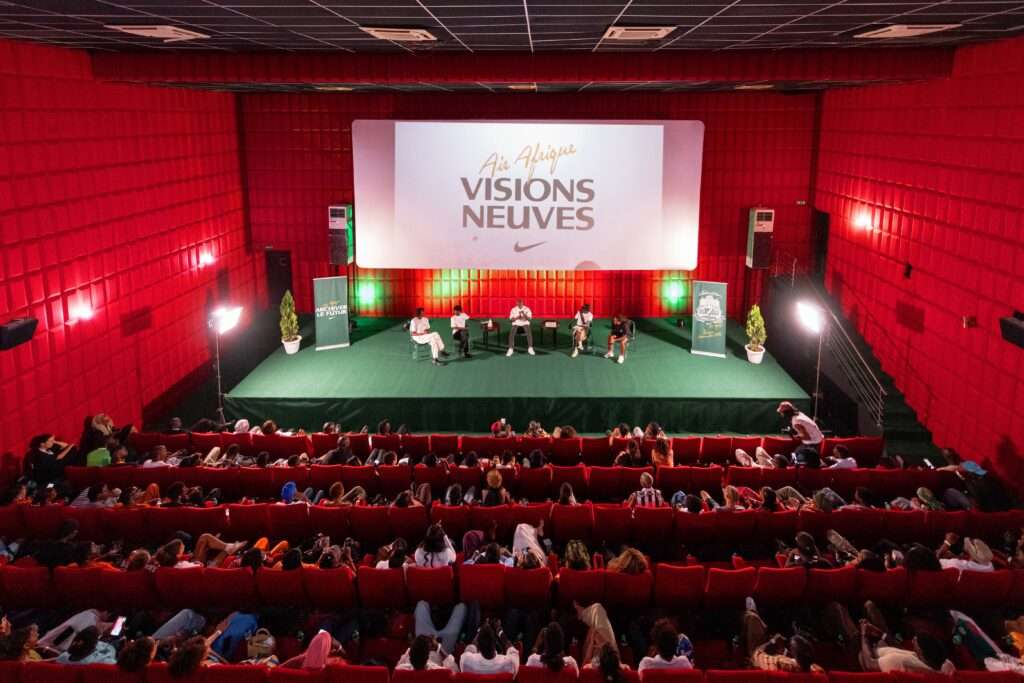
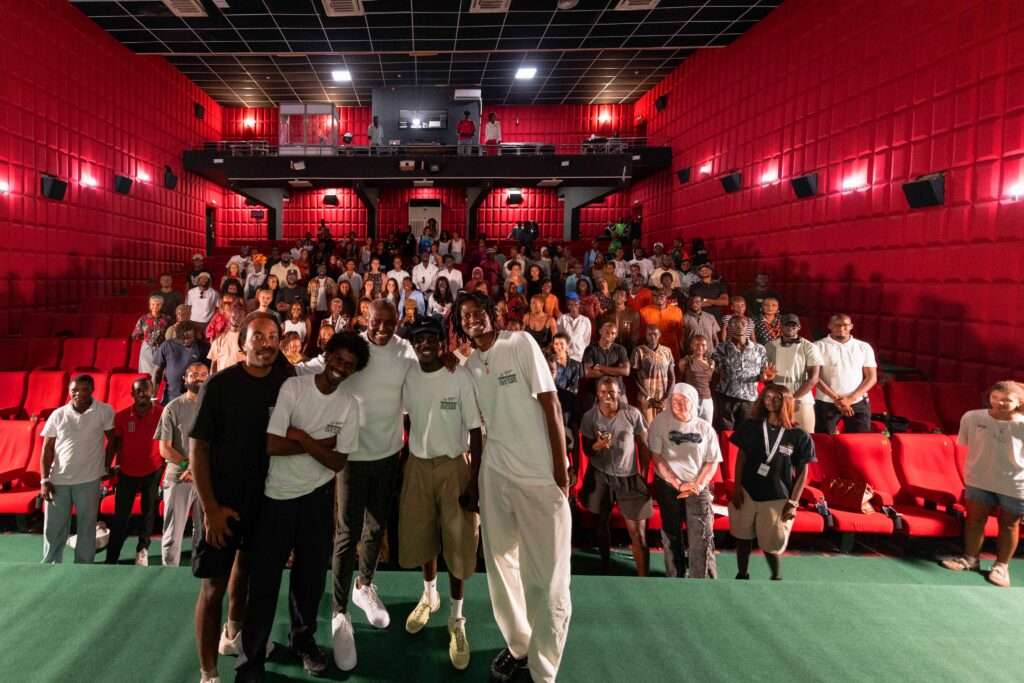
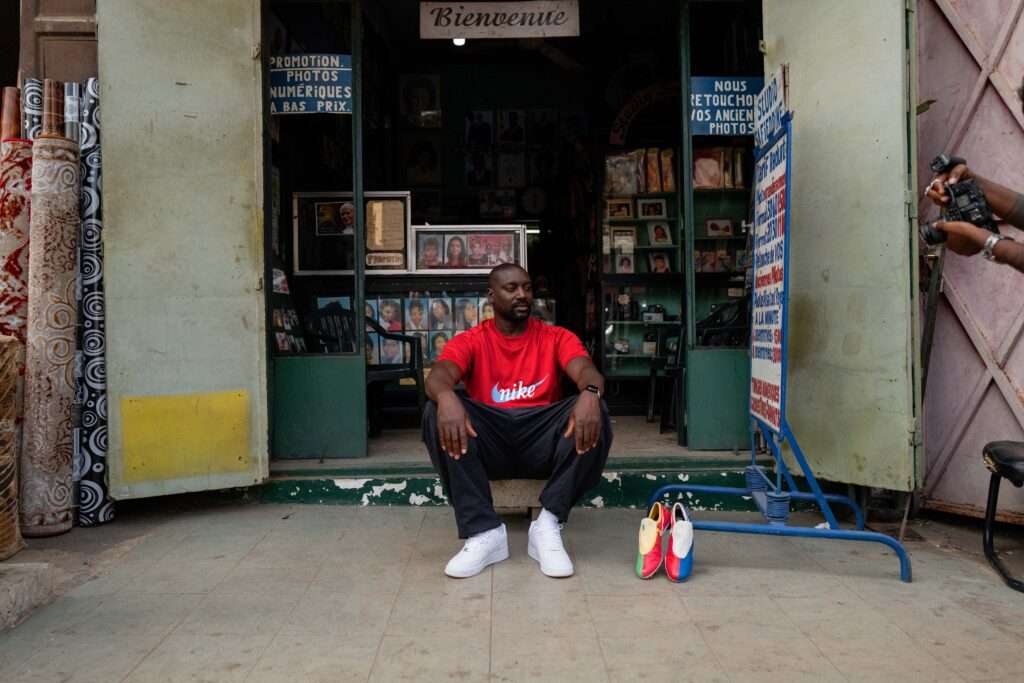
Ladji Doucouré’s story offers a different perspective on the making of an athletic career. The French hurdler became a double world champion at the 2005 World Athletics Championships in Helsinki, winning the 110-metre hurdles and the 4 × 100-metre relay. His individual victory was particularly significant, coming just a year after a difficult Olympic final in Athens, where a collision with the final hurdle had cost him a medal. His return to the highest level of competition in Helsinki demonstrated the importance of adaptation, technical development, and persistence in professional sport. His route into athletics was not entirely predetermined. Doucouré initially dreamed of becoming a professional footballer, but a broken shin bone sustained at the age of thirteen changed the direction of his sporting life. He eventually found his discipline in the hurdles, developing into one of France’s most accomplished track and field athletes. This change of direction gave particular relevance to his conversation at Académie des Airs, The First Time of… Ladji Doucouré, which considered how individuals build personal trajectories outside established paths. In dialogue with photographer Malick Welli, the discussion explored the decisions, unexpected turns, and experiences that shape a career.
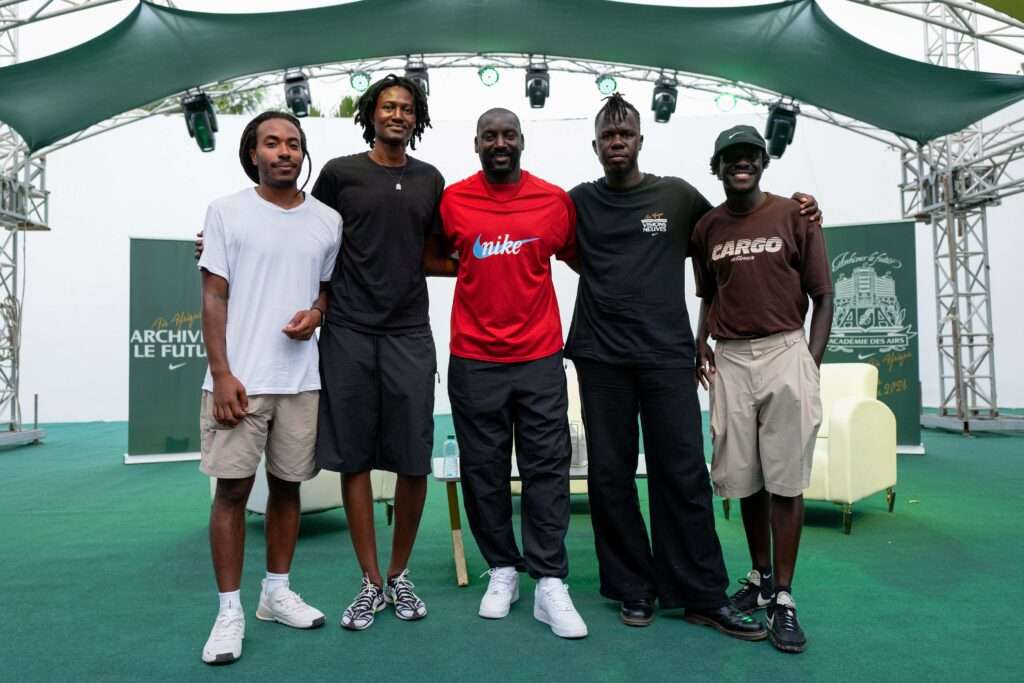
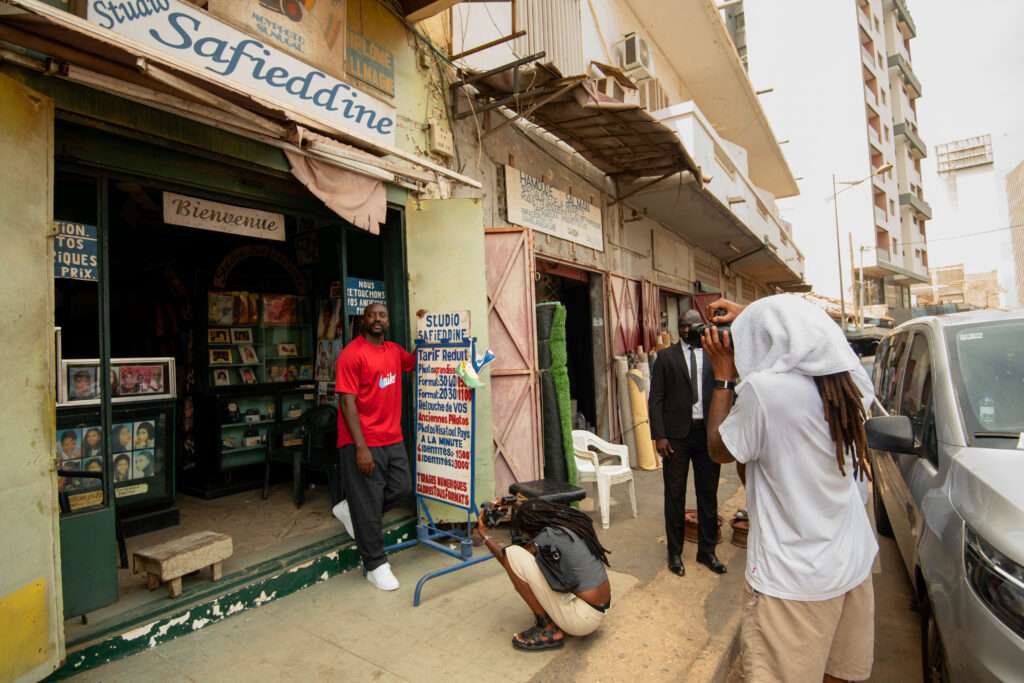
The two conversations approached sporting legacy from complementary directions. Lewis’s exchange considered how images shape the memory of athletic achievement, while Doucouré’s reflected on the personal experiences and choices behind an individual trajectory. Together, they extended the purpose of Académie des Airs beyond celebrating famous athletes. By bringing sporting figures into conversation with artists and photographers participating in the Visions Neuves project, Nike and Air Afrique created a space in which the practices of sport and image-making could inform one another. Both involve years of development, periods of uncertainty, the pursuit of individual goals, and the desire to produce something that outlasts the moment of its creation.
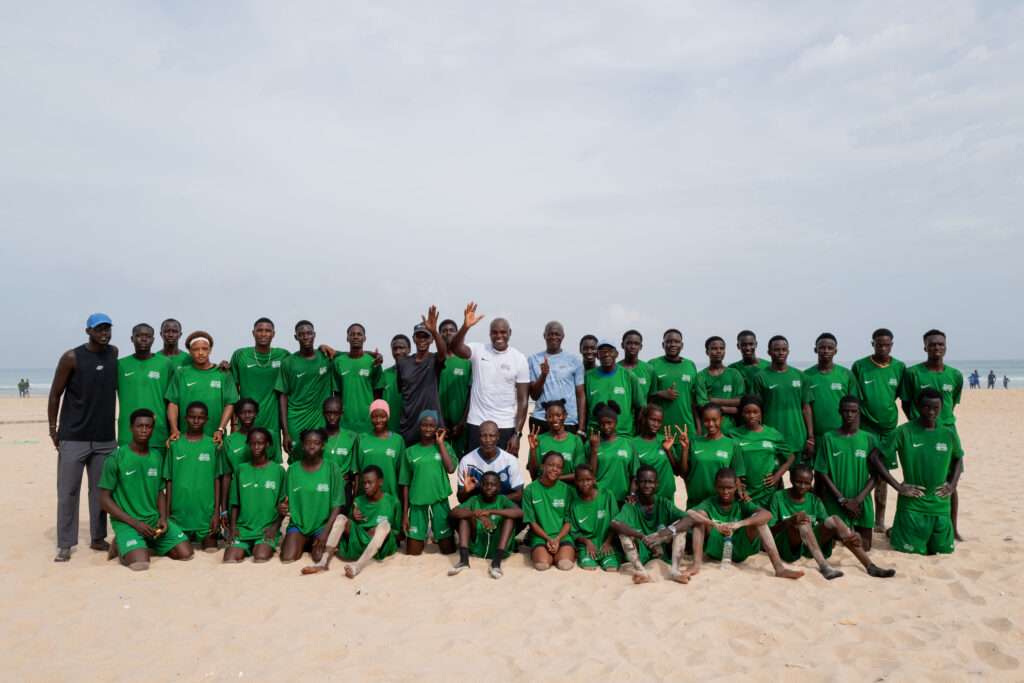
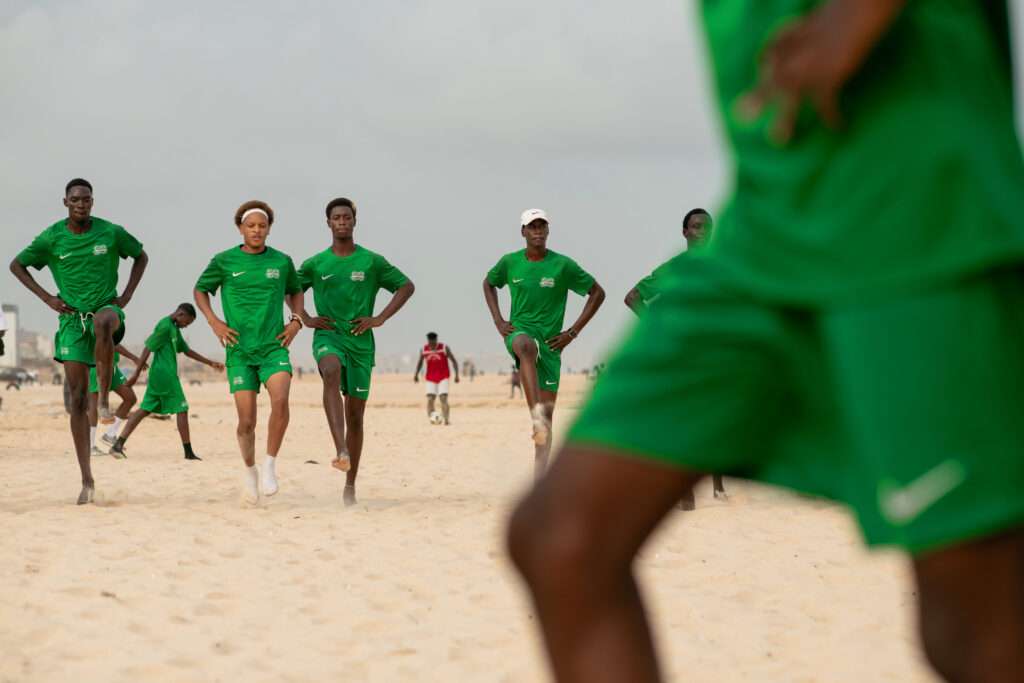
The programme’s week in Dakar concluded with a football tournament featuring both female and male teams. After a series of conversations, workshops, and exchanges centred on sporting achievement and creative practice, the tournament brought participants together through the shared experience of playing. It offered a different expression of the programme’s ambitions, moving from the stories of celebrated individuals to the collective energy of local participation. In this sense, the tournament was more than a closing activity. It returned the programme to sport as a social space, one shaped not only by records and champions, but also by the people who play, learn, and build communities around it.