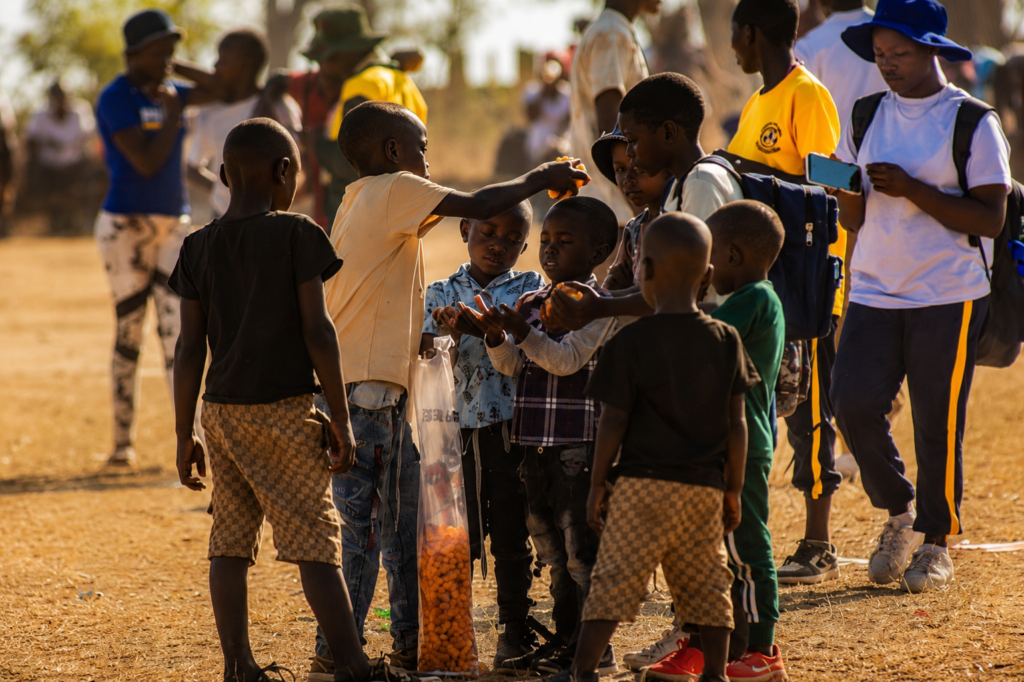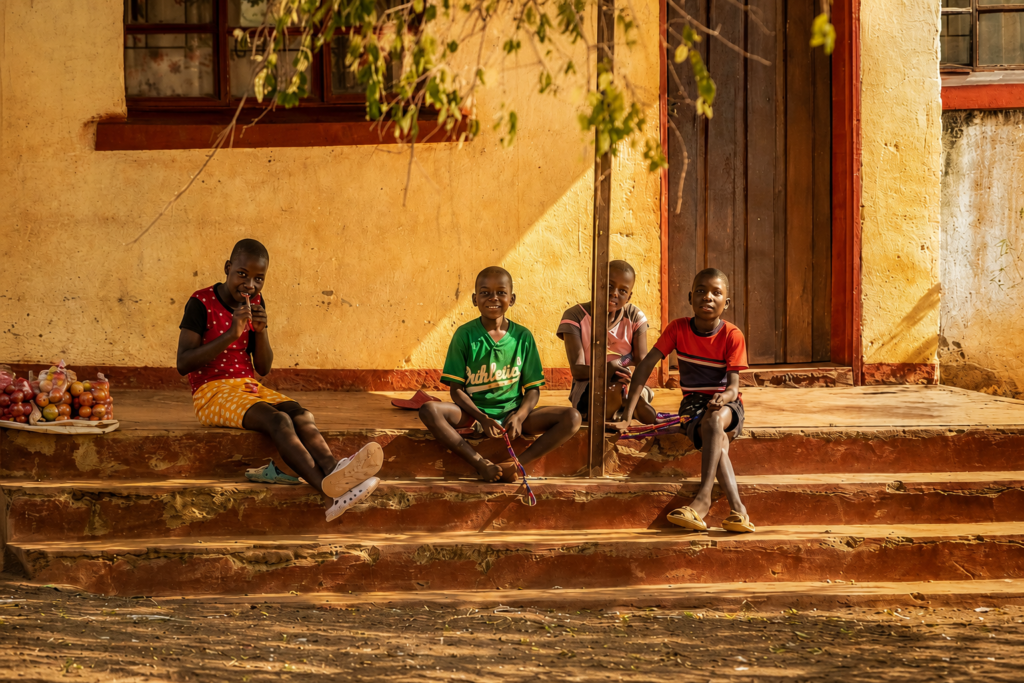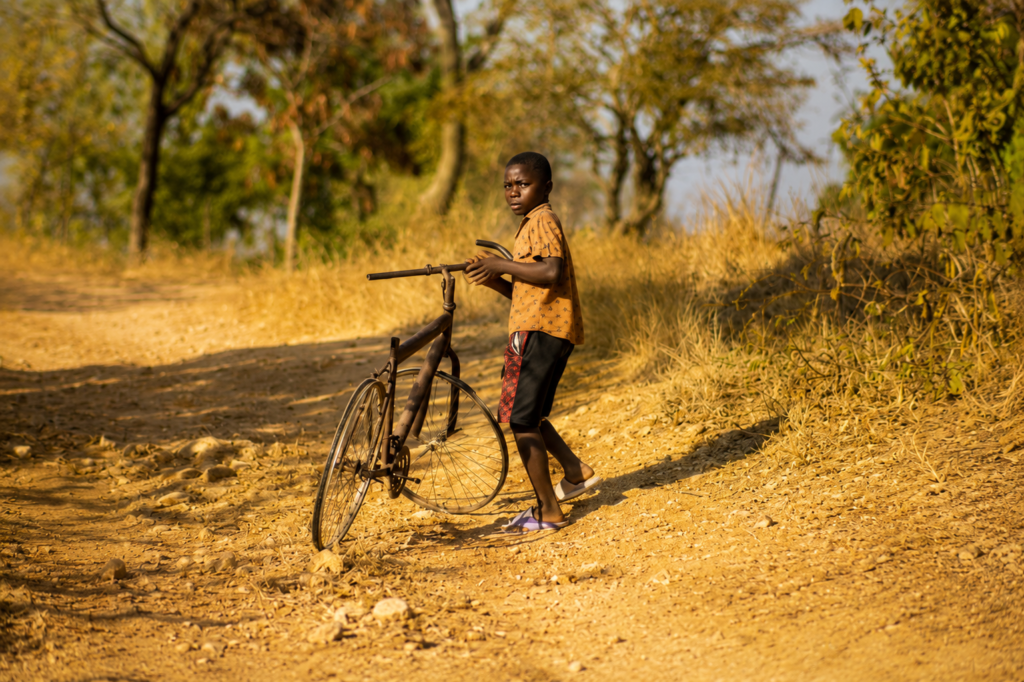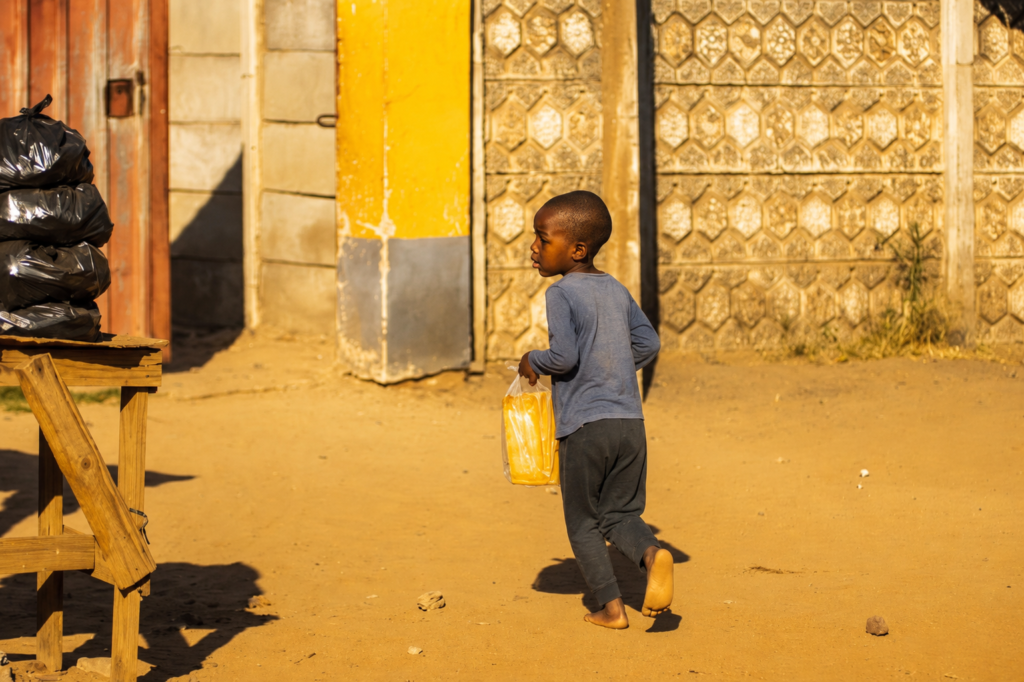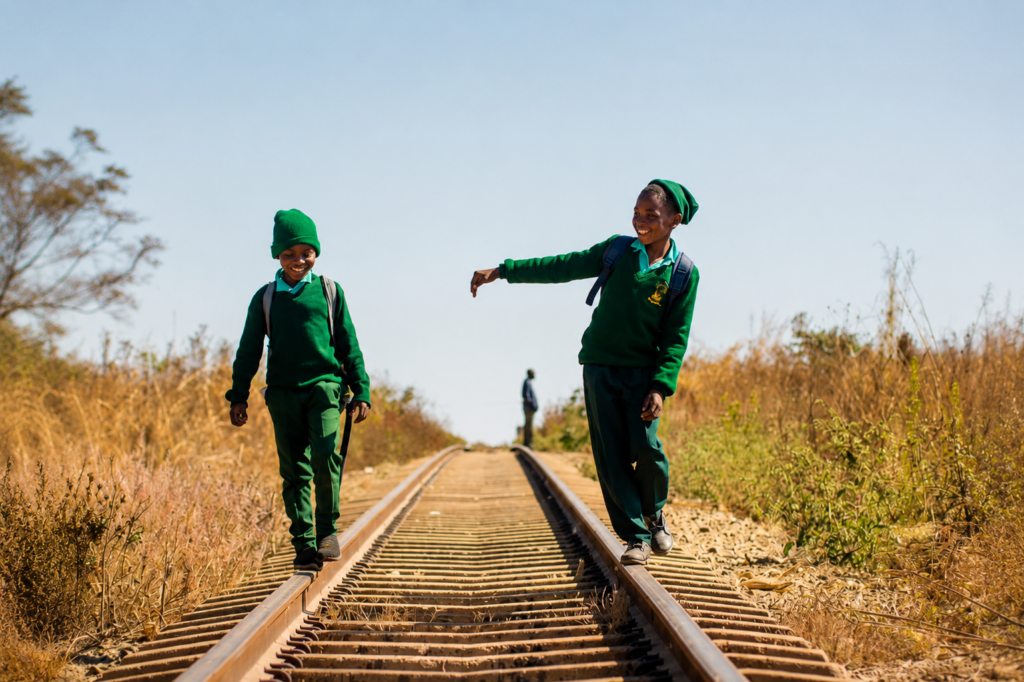
In his childhood, Taffy was sent to Mount Darwin, a rural community in Zimbabwe, where he would spend the next three to four years of his life. During that time, the world around him was defined by scarcity, resilience, and endurance. The school he attended required a daily walk of several kilometres. Meals were uncertain. Opportunities were limited, and what might have been an ordinary childhood became an exercise in adaptation. For many children in Zimbabwe, a life like this would have been the beginning of a permanent reality. Instead, something changed. A distant relative, a beloved aunt, intervened and brought him to Harare. What followed was not merely a change of address but a complete transformation of circumstance. Government schooling gave way to private education. Long walks to school became school bus pickups at the doorstep. One meal a day, or sometimes none at all, turned into an abundance of food. The geography of possibility replaced the geography of survival. It is this transition that forms the emotional core of The Narrow Escape, currently showing at Obz Café in Cape Town.
Some photographers are defined not only by where they come from, but by the paths they manage to leave behind. The Narrow Escape is a meditation on grace, on the invisible interventions that alter the course of a life. Returning to Mount Darwin more than two decades later, Taffy retraces the roads he once walked, documenting the life that might have remained had his circumstances not changed. While reading them, the photographs pose a simple but profound question: what happens when you return to the place where your life could have remained?
Born into a family that was neither wealthy nor poor, but comfortably above average, Taffy’s life was disrupted almost from the beginning. His father died shortly after his birth. Years later, his mother’s prolonged illness gradually consumed the family’s resources. By the time she passed away, the stability that once defined home had disappeared. The consequence was displacement.
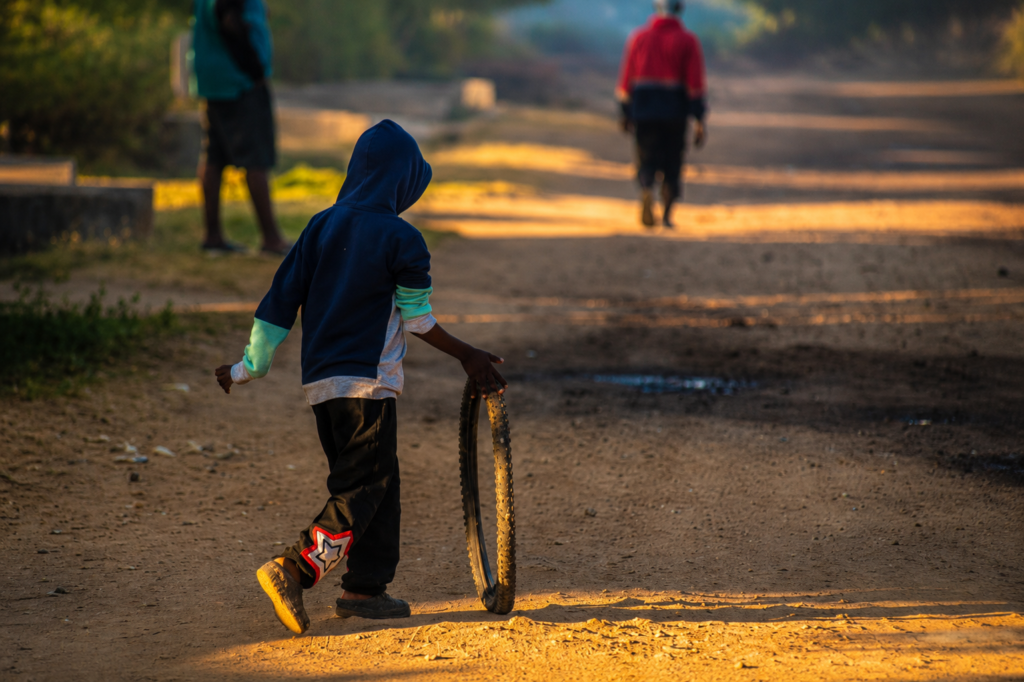
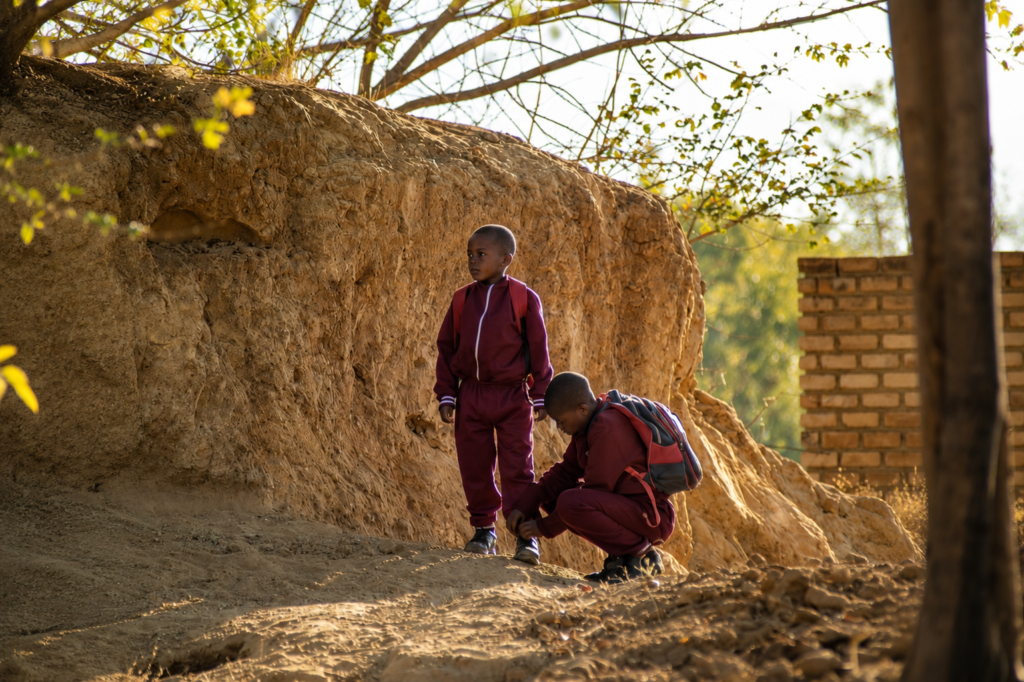
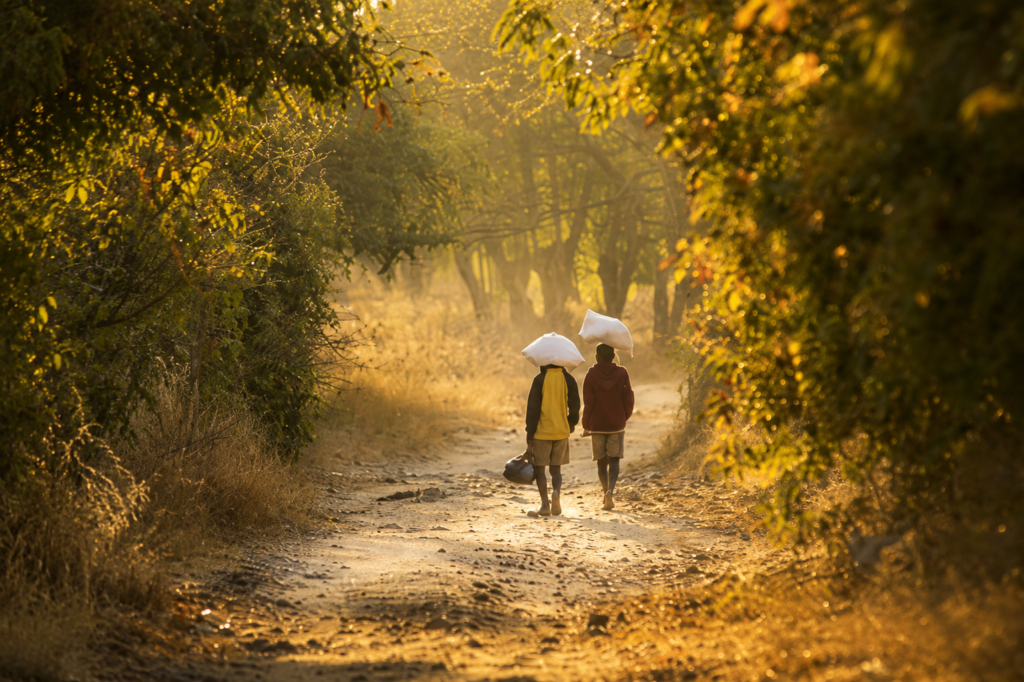
It’s called The Narrow Escape: A Story of Grace. It is about my life, the life I have lived, and the life I could have lived had grace not found me. More than twenty years ago, I was taken to Mount Darwin, a rural community in Zimbabwe, where I lived for about three years. Those years shaped my understanding of the world, but they were not meant to define the rest of my life. Grace found me, and I was moved to Harare, where my circumstances changed completely. With this project, I returned to Mount Darwin to retrace the roads I once walked and revisit the places that formed my earliest memories. Through these photographs, I document the life I could have lived had grace not located me. That reflection is what inspired the title, The Narrow Escape: A Story of Grace.
The exhibition does not romanticise poverty, nor does it present success as the inevitable result of hard work alone. Rather, it acknowledges the uncomfortable role of chance, timing, and human intervention. The title itself suggests a life that could easily have unfolded differently. The narrow escape is not from a single event but from an entire future. More than two decades later, the artist returns to Mount Darwin, retracing the roads he once walked as a child. The photographs become acts of remembrance and confrontation. They document landscapes that shaped him, but they also reveal the fragile distance between two possible lives: the life that happened and the life that almost did. In this sense, the exhibition and work are less about nostalgia than accountability. Returning to these spaces forces a recognition that the line separating privilege from hardship is often thinner than society would like to admit. The photographs resist narratives of self-made success by acknowledging the people, circumstances, and moments of grace that altered Taffy’s trajectory.
The Narrow Escape is a photographic journey through childhood, resilience, displacement, and hope. Returning to the landscapes that shaped his early years, Taffy Kufah reflects on memory, survival, and the fragile circumstances that can alter the course of a life. Through cinematic documentary photography and poetic visual storytelling, the exhibition captures quiet moments of endurance, education, belonging, and becoming within everyday African spaces. The Narrow Escape ultimately stands as a testimony to the lives that are shaped by forces beyond individual control. It is an acknowledgement of loss, of survival, and of the extraordinary power of a single intervention. Above all, it is a reminder that grace is not always dramatic. Sometimes it arrives quietly, in the form of a relative who opens a door, extends a hand, and changes the direction of a life forever.