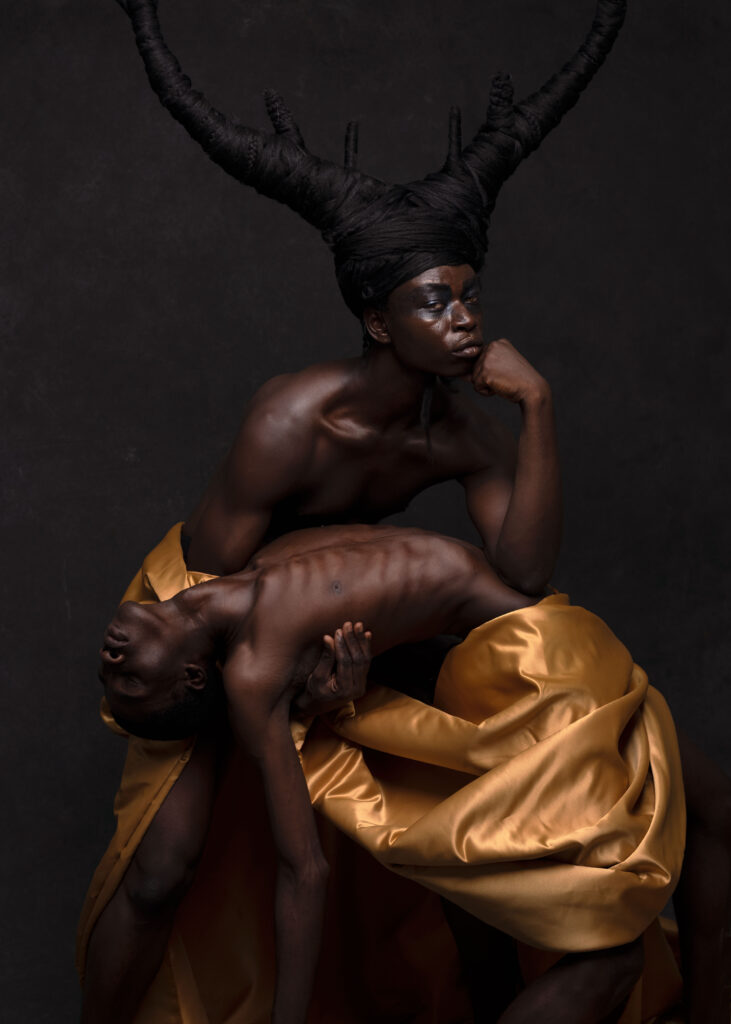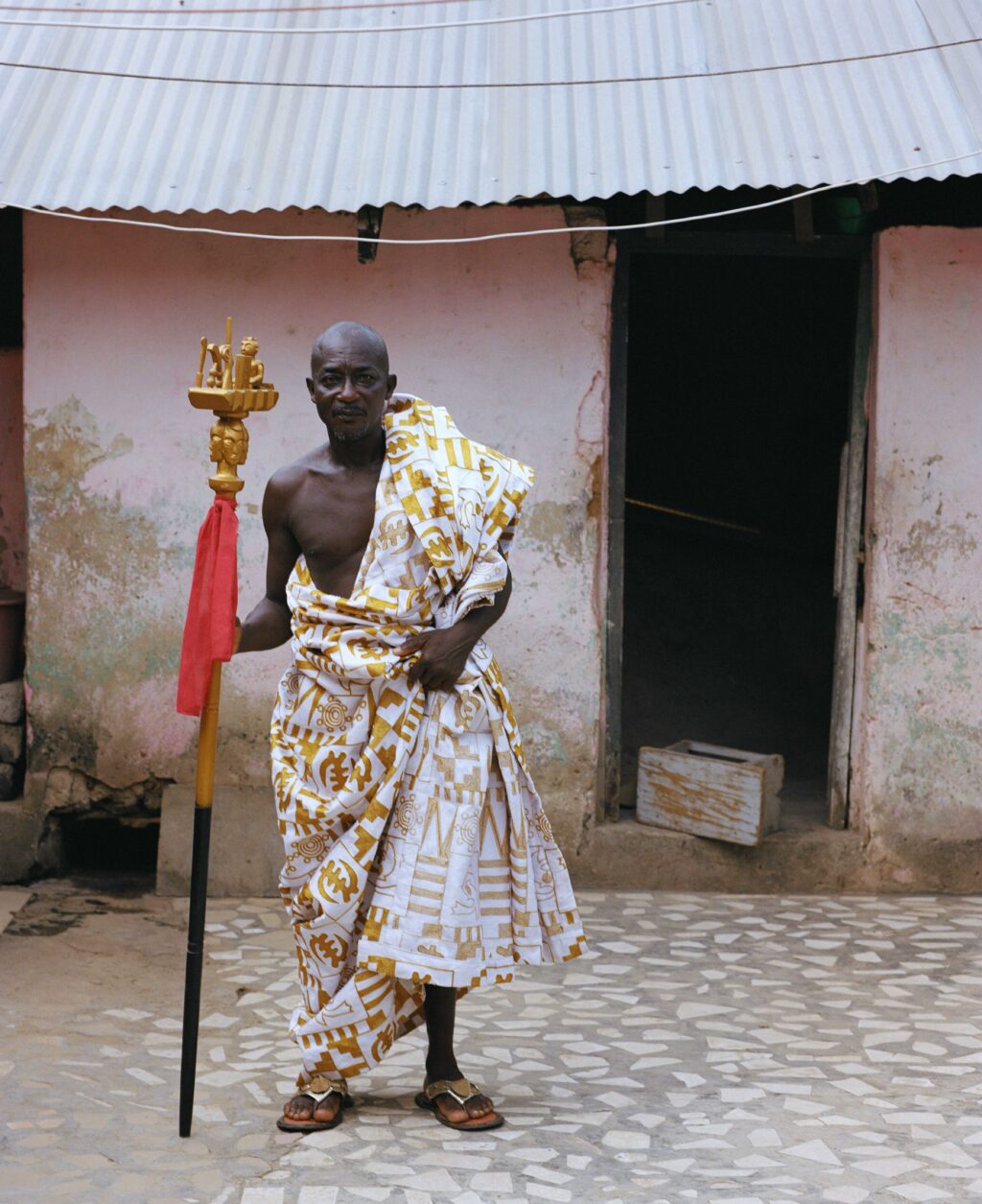
There is a paradigm shift in how image-making is being approached: from photography as a tool of documentation toward photography as a system for constructing visual language and motif.
Across the Greater Accra region and the Ghanaian diaspora, a younger generation of image-makers is increasingly working across photography, fashion, portraiture, and film, collapsing the boundaries between recording reality and building it. The result is not simply a change in style, but a change in creative intentions: Photographs that are no longer only meant to show and tell, but photographs that build what can be or what is to be seen. Within this context, Odartey Mango’s photography sits comfortably inside this evolving terrain. His work involves a hybrid approach that oscillates between documentary observation and constructed image-making, drawing from fashion photography, street culture, and cinematic framing.
In this interview, Odartey describes curiosity and exposure to different environments as central to his creative process. He avoids aligning himself with a single tradition, instead positioning his practice at the intersection of multiple influences, where his photography becomes a creative process of assembling references rather than simply belonging to one category.
Across Ghana and its wider diaspora, this fluidity is becoming more visible in how younger photographers and art directors approach the image. Photography is increasingly treated as a shared space between disciplines, where memory, performance, and design operate alongside observation. Odartey’s work reflects this broader condition, in which the image is not only captured, but compose, built through layers of reference, environment, and intention. What makes this approach significant is not simply its aesthetics, but what it suggests about where contemporary photography is moving.
Increasingly, it is a breath of fresh air to see younger image-makers who are less concerned with defending disciplinary boundaries and more interested in using the camera as one tool among many. In Odartey’s case, photography transforms itno a site for testing how memory, movement, fashion, and observation can coexist within the same frame. The result is a body of work that reflects a generation less interested in fixed photographic identities and more invested in building new visual possibilities.
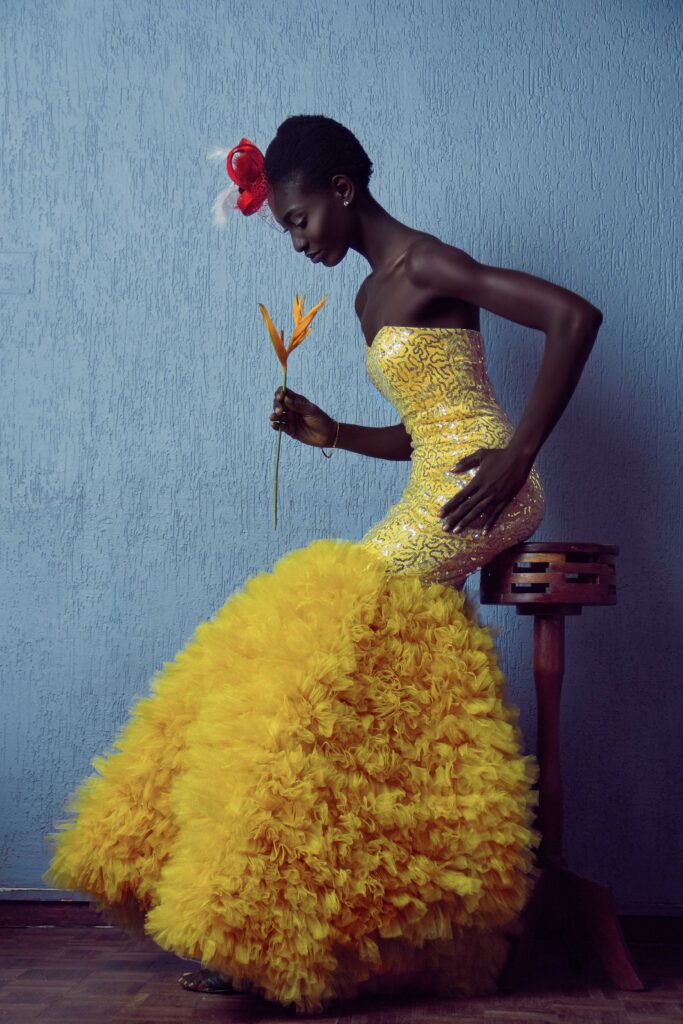
What makes your work interesting is that it sits in a space where multiple visual languages collide: fashion photography, youth portraiture, street observation, and contemporary African image-making. Can you discuss briefly how you found your way to photography?
I’ve taken a very unconventional path into photography. Before picking up a camera professionally, I worked in advertising as a communication designer, and much of my visual language was shaped through that experience. But my relationship with images started much earlier. Growing up, my brother would often gift me 35mm Fujifilm disposable cameras, which became my first introduction to photography. I was fascinated by the idea of documenting everyday moments and preserving fragments of time through a frame. At the same time, I spent a lot of my childhood in my mum’s salon, surrounded by beauty and fashion magazines. Flipping through those pages sparked my curiosity about image-making and visual culture, long before I understood it as an art form. Looking back, my approach to photography has been shaped by a unique blend of influences. Photography eventually became the point where all of those influences converged. It gave me a medium through which I could combine storytelling, design, and imagination, while still holding on to the curiosity that first drew me to images as a child.
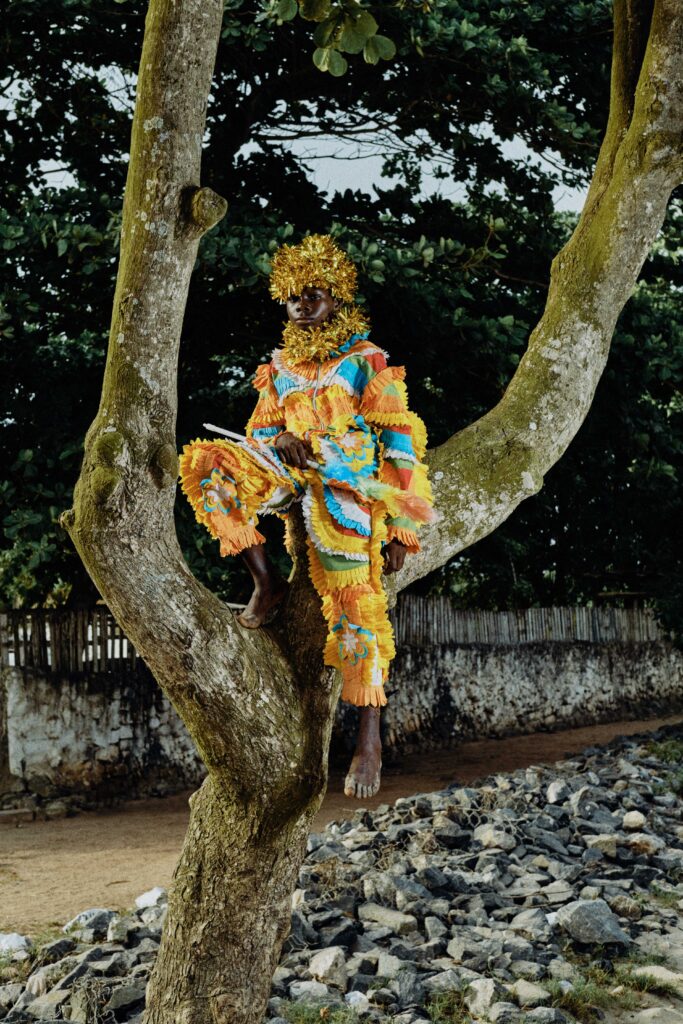
Do you consider that leaving the country of Ghana to Canada added to how refined your fine art photography has become? I mean, we knew you as an artist before, but what you produce now has developed regarding grading and composition.
I think space plays a huge role in the kind of art you make, and changing environments has had a significant influence on my current practice. It has pushed me to think more deeply about the different forms my work can take and to approach my subjects with a greater sense of investigation before I even click the shutter. For me, photography is often about building a world around a subject, creating a space where they can exist naturally and meaningfully within the frame. I wouldn’t necessarily say that my work has become more refined as a result of changing space, but rather being able to juxtapose and superimpose my experiences across two different continents has opened up new ways of seeing and creating. I think that willingness to explore and take risks is a direct result of being exposed to different environments and perspectives, and it continues to shape how my work evolves.
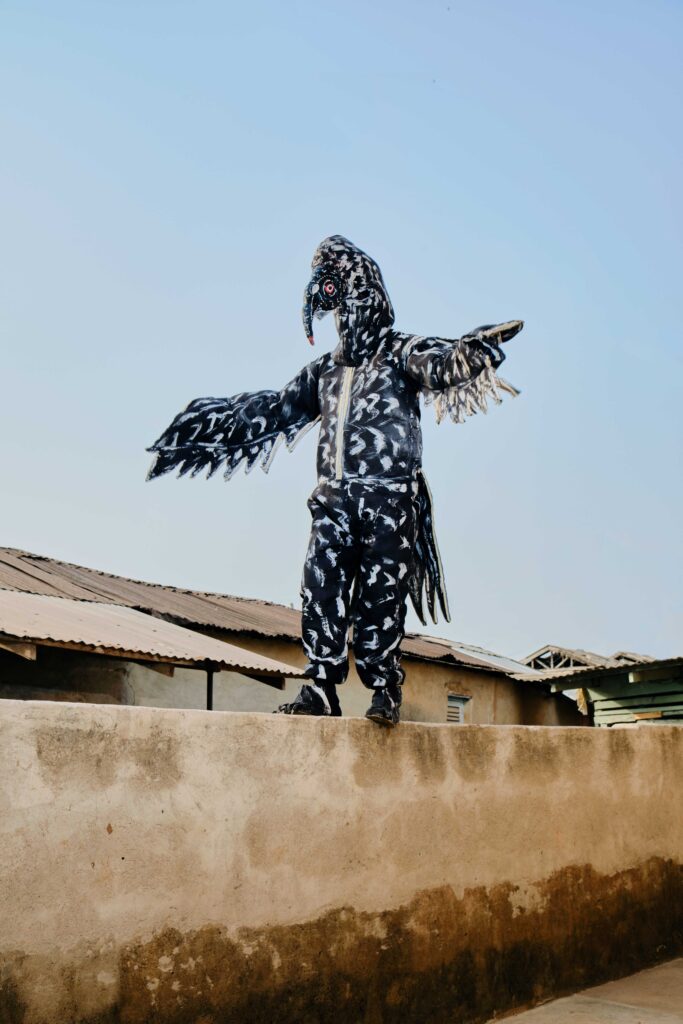
Briefly discuss your transition from photography to filmmaking, what prompted the pivot, and has the field been kind to you?
Curiosity has always been the driving force behind my creative practice. I’ve long been fascinated by still images, but seeing those images come to life through motion sparked a different kind of excitement. Before I began making films, I had studied animation, and many of the skills and ways of thinking I developed there translated naturally into filmmaking. I wouldn’t describe it as a pivot away from photography, but rather as an expansion of my creative toolkit. Photography and filmmaking exist alongside each other in my practice, and I enjoy moving between the two, especially when working on personal projects. Each medium offers a different way of telling stories, and I’m interested in exploring what each can do. Filmmaking has been an incredibly rewarding experience. It took some time for me to recognise that I approach the medium in my own way, but developing that perspective is something I’m particularly proud of. As my practice continues to evolve, I’m excited to make more films and to push further into scripted narrative work, creating stories that are rooted in my own perspective and experiences.
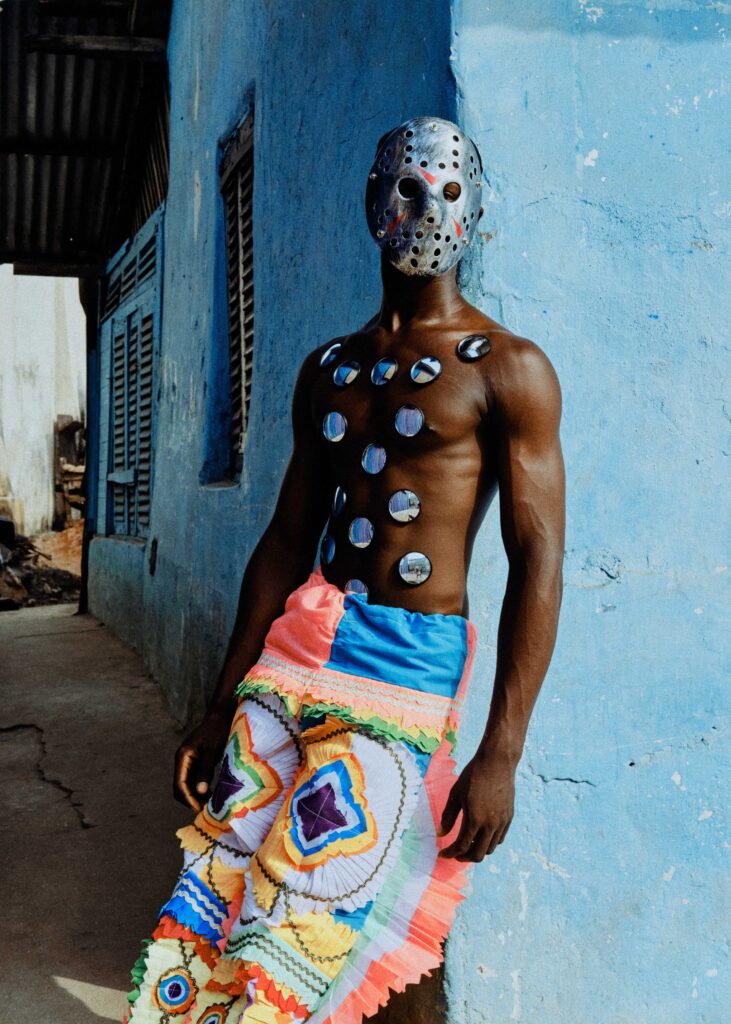
A lot of your work turns everyday moments, people, and environments into something almost mythic. What draws you toward elevated tradition rather than simply recording them as they are?
I’ve always been someone who asks questions. I’m interested in looking beyond what is immediately visible and understanding the deeper stories that shape the world around us. I often find myself wondering: What shaped this culture? Where did it come from? What brought it to this point, and where is it heading?
That sense of curiosity sits at the core of my practice. For me, making art begins with a desire to understand my subjects more deeply. I believe that what we experience in the present is rarely the result of coincidence; it is often shaped by generations of cultural traditions, histories, and shared experiences. Tracing those connections and uncovering the layers beneath the surface gives my work a stronger sense of grounding and purpose. The more I learn about a subject, the more meaningful the image becomes. Research and curiosity allow me to move beyond simply documenting what is there and instead engage with the stories, influences, and histories that continue to shape it. That process of discovery is what keeps me inspired and continues to drive my work forward.
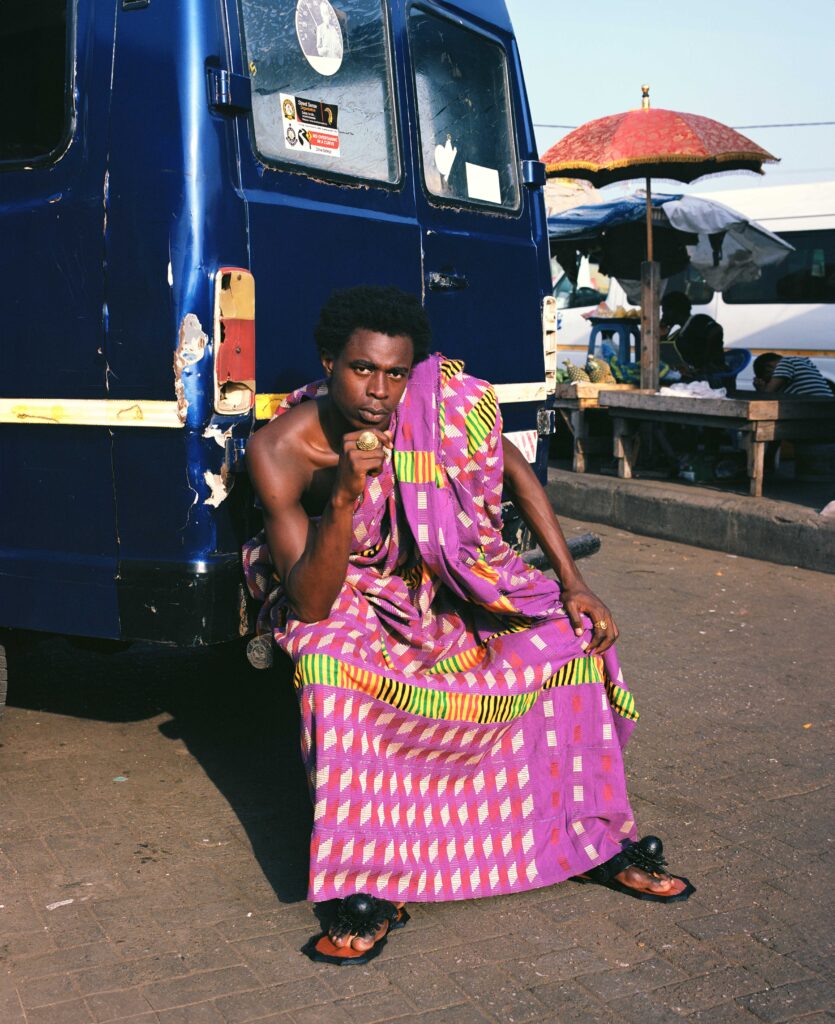
Are there other photographers whose work inspires you?
My influences come from photographers whose work spans both documentary and constructed image-making. Photographers like Gordon Parks, James Barnor, Francis Kokoroko, and Henri Cartier-Bresson have all had a significant impact on how I think about photography. I’m equally inspired by artists such as Nan Goldin, Samuel Fosso, and Ruth Ossai.
What draws me to their work is the way they navigate the space between documentation and world-building. Some are deeply rooted in observing and capturing life as it unfolds, while others create highly constructed images that reimagine reality. Together, they represent a spectrum of approaches that I find incredibly inspiring. I’m particularly interested in that intersection between the real and the imagined where documentary photography can carry a sense of narrative, and where constructed images can still feel deeply truthful. The photographers I admire either move fluidly between these approaches or occupy opposite ends of that spectrum, and that balance continues to influence the way I think about image-making and storytelling.
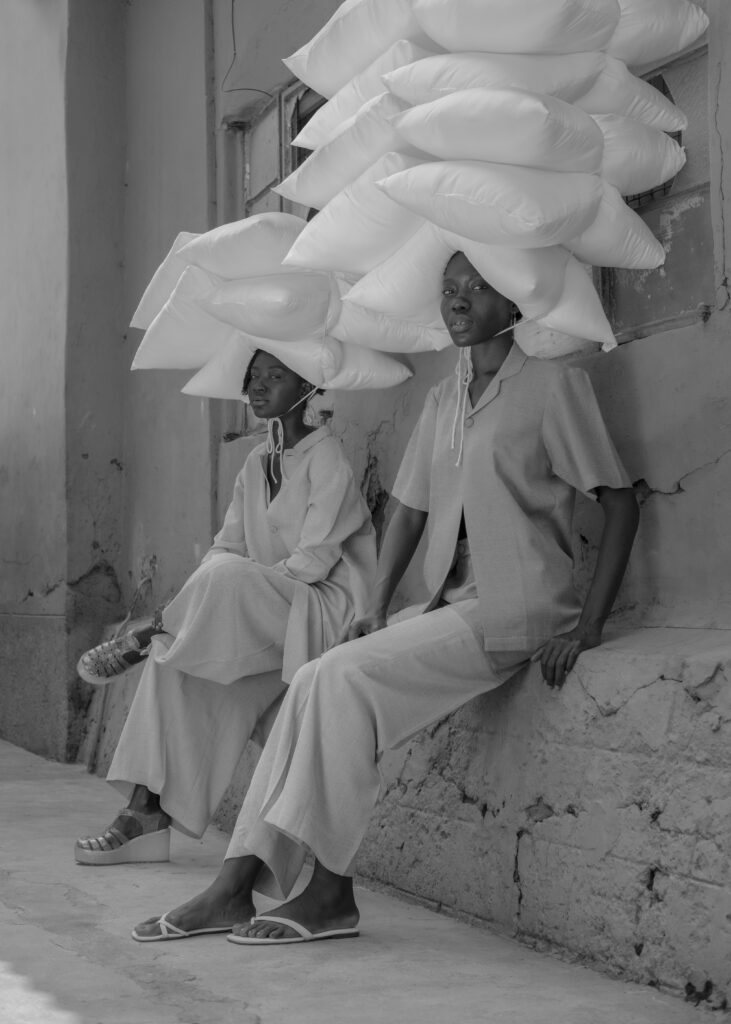
In the series of images that you sent us, which one is your favourite and what is the story behind it?
I’d say Carrying Comfort is my favourite project to date. It took a long time to develop, and it represents a meeting point between fashion, documentary, and conceptual photography, three areas that sit at the core of my practice. The project began with a simple moment of observation. As a regular trotro passenger in Accra, I spend a lot of time watching the rhythms of everyday life unfold through the window and around the bus. One day, I noticed a vendor moving through traffic carrying a stack of pillows on his head. The image stayed with me. It felt familiar, yet striking, and it sparked a curiosity about the broader culture of street vending in Ghana, where people transport and sell an incredible range of goods balanced on their heads. That single observation became the foundation for Carrying Comfort.