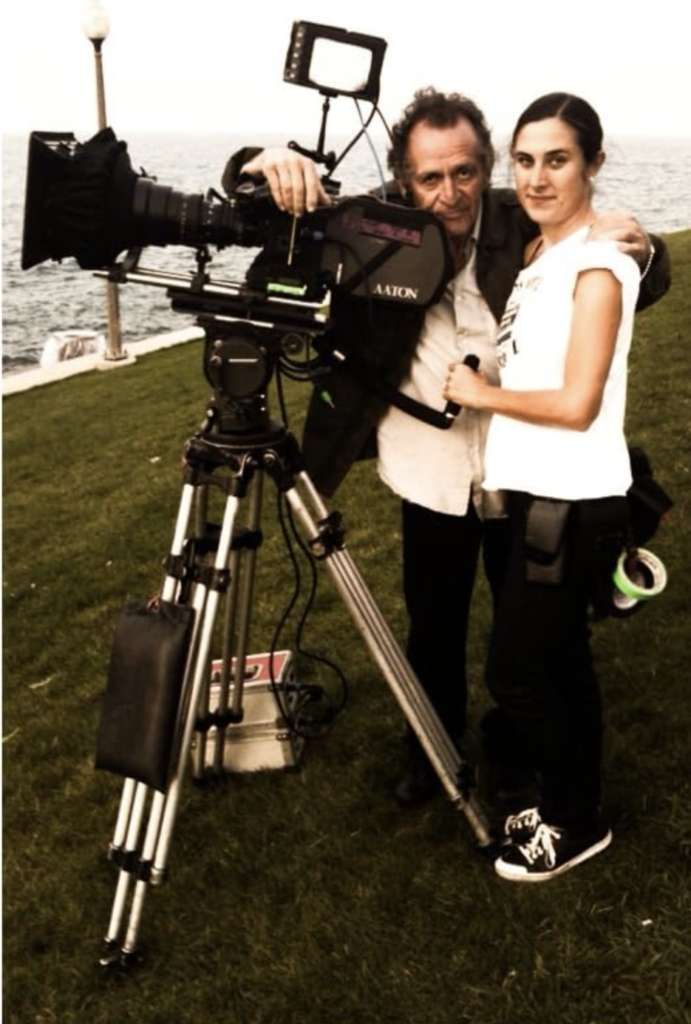
Seeing comes before words. We look and recognise before we even learn to speak. It is why photography and videography, at the deepest level, are hybrid ways of seeing. If you cannot truly see, then you are already at a disadvantage, and this is not even just about having eyes. Seeing in photography is not simply about looking, aiming, pointing, and shooting. It is about what lives inside the person behind the camera, something that, sometimes, you have to be born with. What an image maker carries within- their values, the subjects they are drawn to, the communities they feel connected to- shapes how they see the world. That inner life is what allows them to see with clarity and intention, and ultimately to create images that carry meaning. At Random Photo Journal, that is something we have always truly believed about the craft, and it is an ideology that became even more evident on meeting Leslie Dektor.
I met Leslie Dektor in Los Angeles at his studio on a bright, traffic-choked afternoon. I had managed to lose my way en route, but was eventually rescued by the studio steward, Tom Macmaster, a bullish man in his late forties, with whom I later shared a cigarette before leaving the studio. Leslie was already at work when I arrived, seated on a plush reclining chair near a large printing machine, producing prints for what he said were either an upcoming exhibition/presentation or his personal catalogue. Time has blurred the exact detail. He stopped as I entered, removed his glasses slowly, and extended his hand in greeting. After we shook hands, I found myself momentarily distracted, taking in the studio before me, the vastness, the works arranged and sometimes littered about. When Leslie encouraged me to look around, I did so with growing curiosity, wandering from room to room, and for the ones that were locked, he directed Tom Macmaster to allow access into them. The studio felt less like a workspace and more like a multi-bedroom apartment, four of the rooms filled almost entirely with Dektor’s work. Even before stepping fully inside, it was clear he was a music lover; soprano saxophones of varying sizes stood prominently near the entrance, the first objects to greet visitors. Drawings of musicians, paintings of them alike, sculptures?
The first room to the right functioned as a kind of trophy room. It was crowded with images from past projects, alongside Clio Awards, D&AD pencils, and other prestigious recognitions from his work in film and photography, scattered across tables and even resting on the floor. On the coffee tables were neatly arranged copies of his publications, ordered chronologically, from early books to more recent titles, including If You Ain’t Got It, You Ain’t, which followed the life of a South African flute player during the height of his career. There is no doubt that Leslie Dektor is a creative polymath. There is a backlog of years and years of hard work to back this. His creative practice spans moving and still images, cinema, photography, and poetry. While browsing his work, I came across a poem reflecting on contemporary society, subtle and piercing, that seemed to complete the same sensibility behind the images. It revealed the inner voice behind the lens. We first learned about Dektor through Gavin Furlonger from the Gallery F, who spoke about him with deep admiration while we were briefly in Cape Town for a photography exhibition. Gavin shared books and prints from Dektor’s archive with us, promising that if we ever made it to Los Angeles, he would arrange an introduction. Visiting the studio quickly rose to the top of our list.
“Here, take this and read it,” Gavin said, “That’s fucking Leslie, man; he left South Africa with nothing more than a bag and a dream, and he made it.”
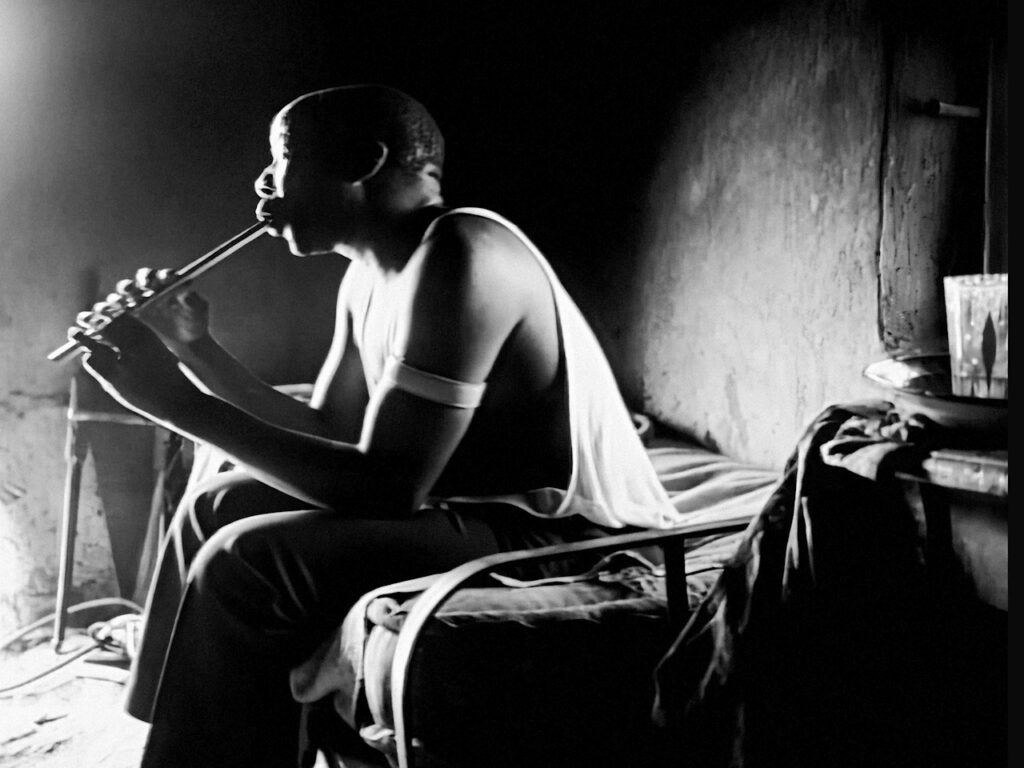
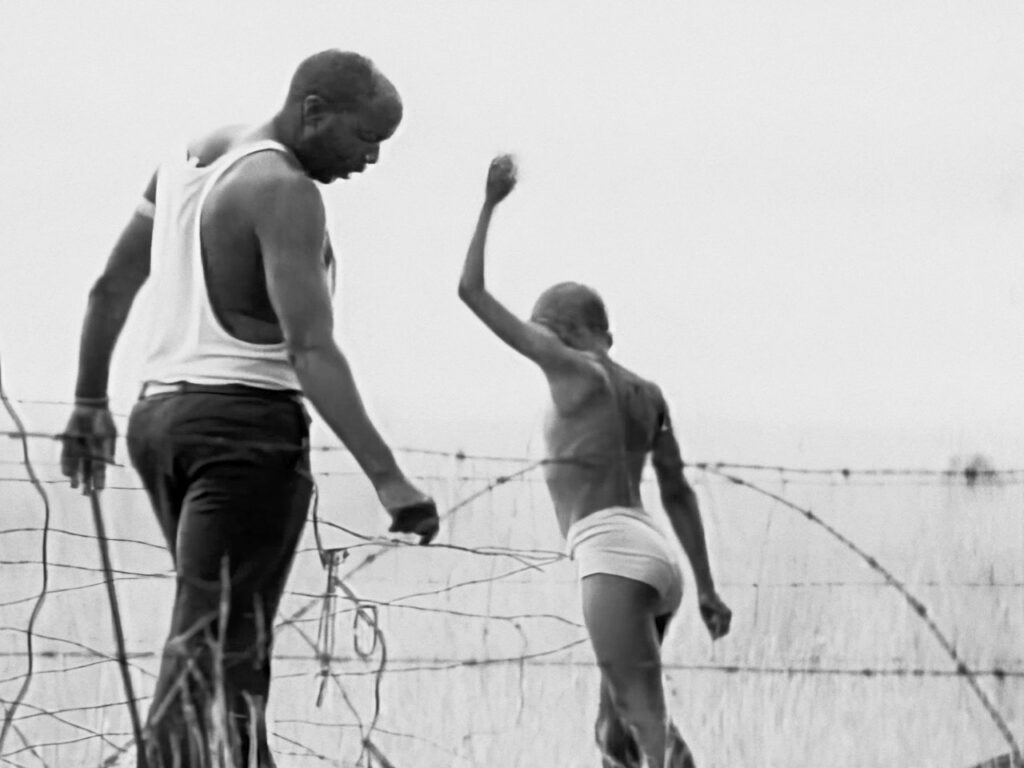
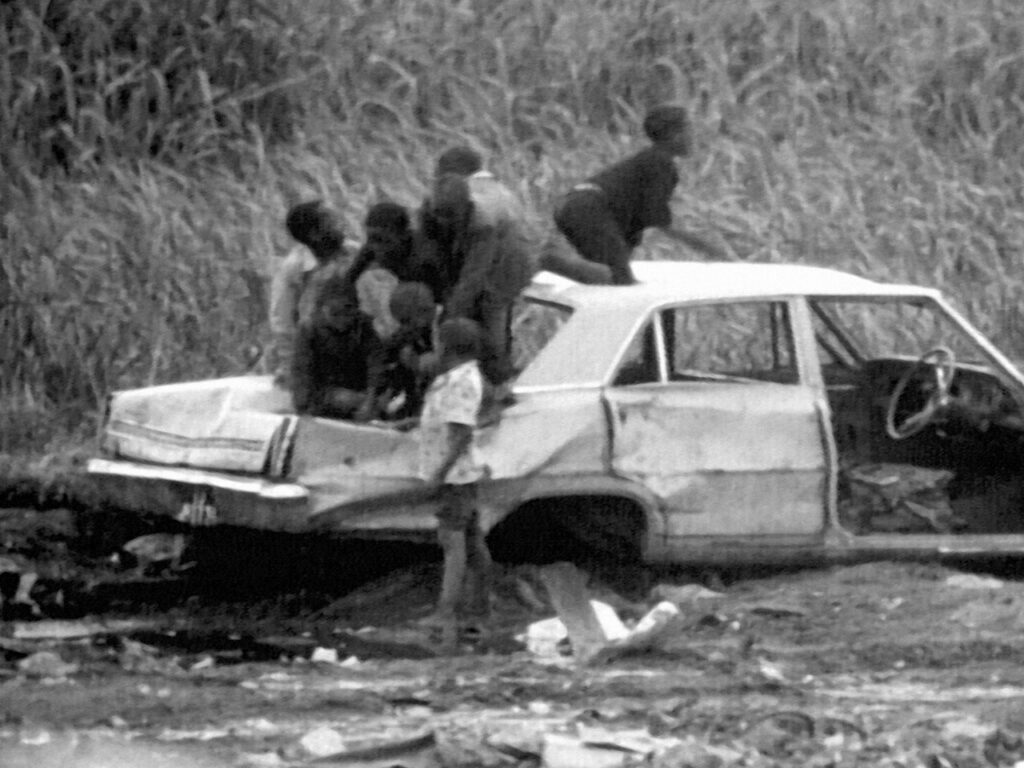
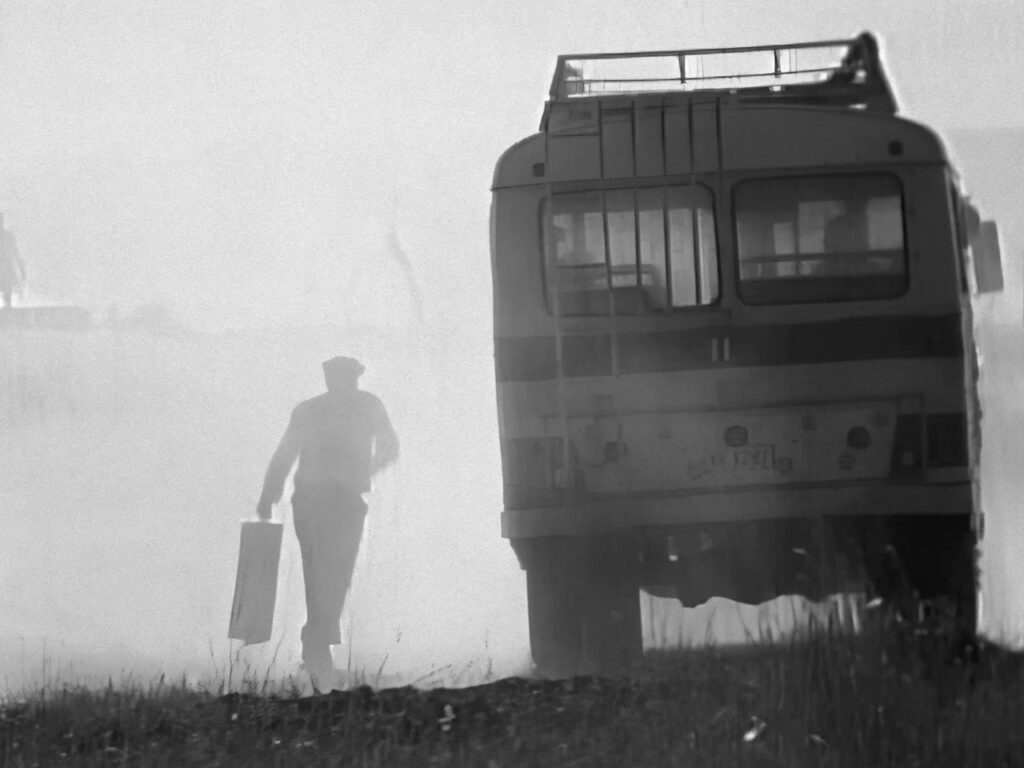
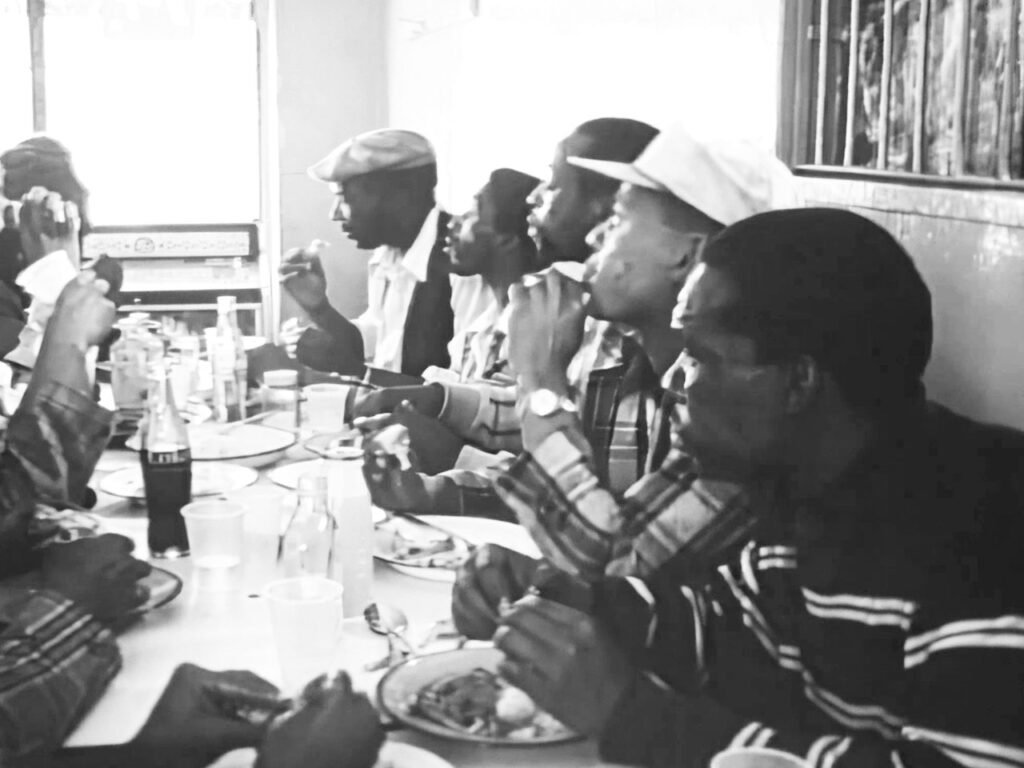
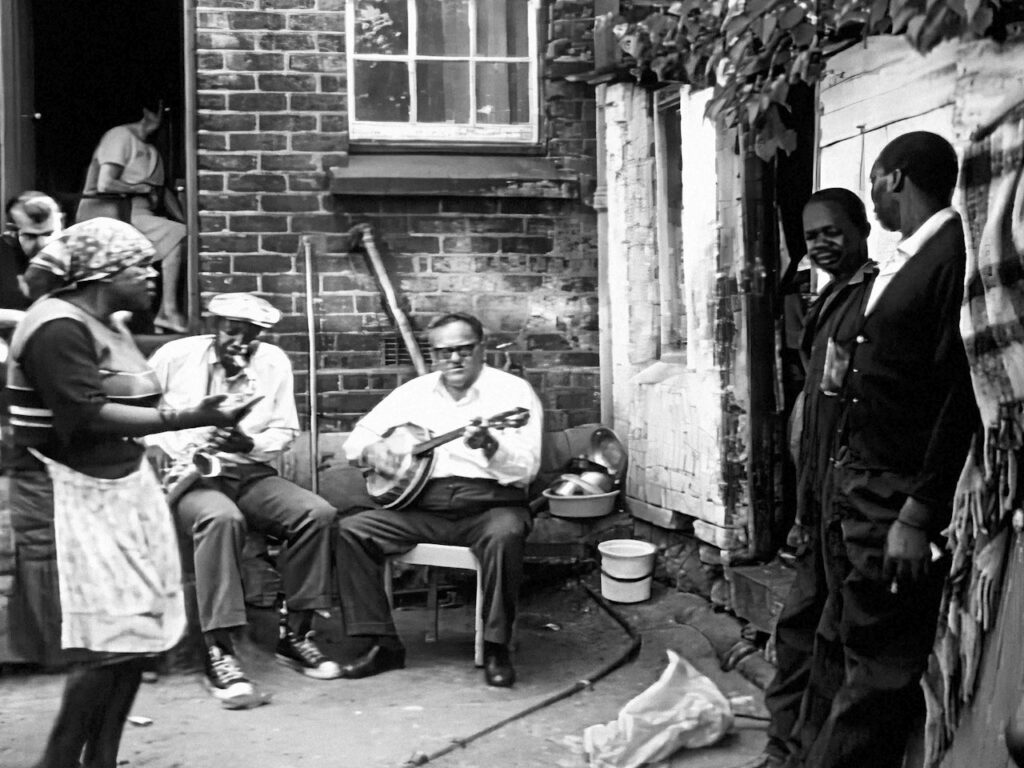
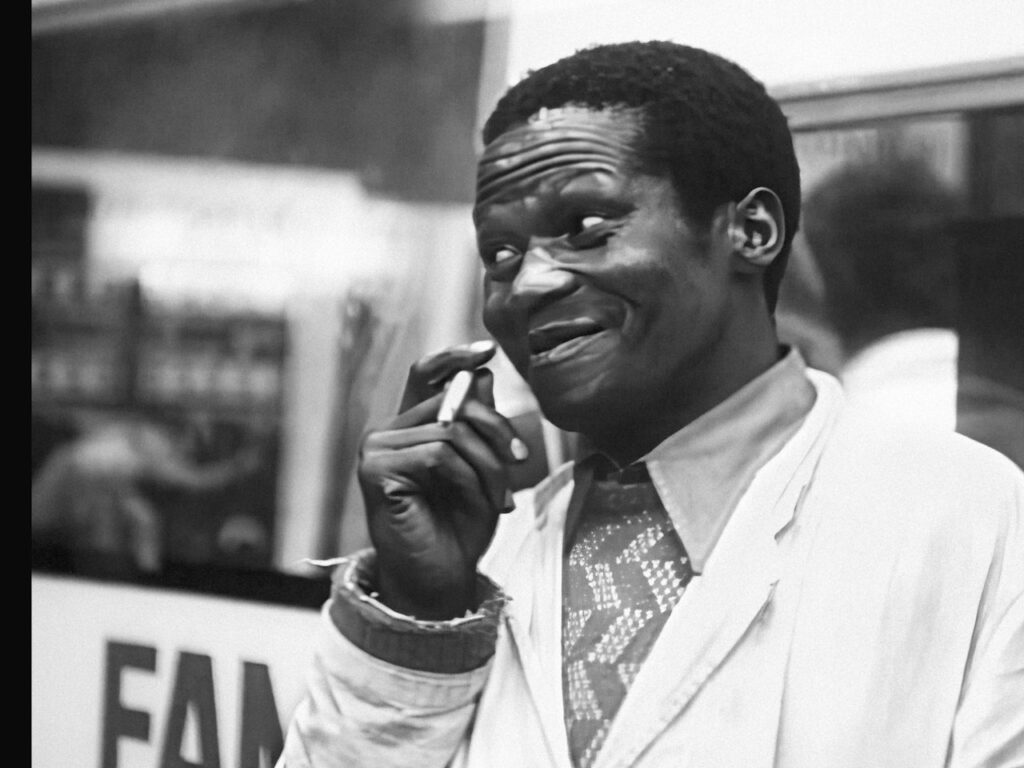
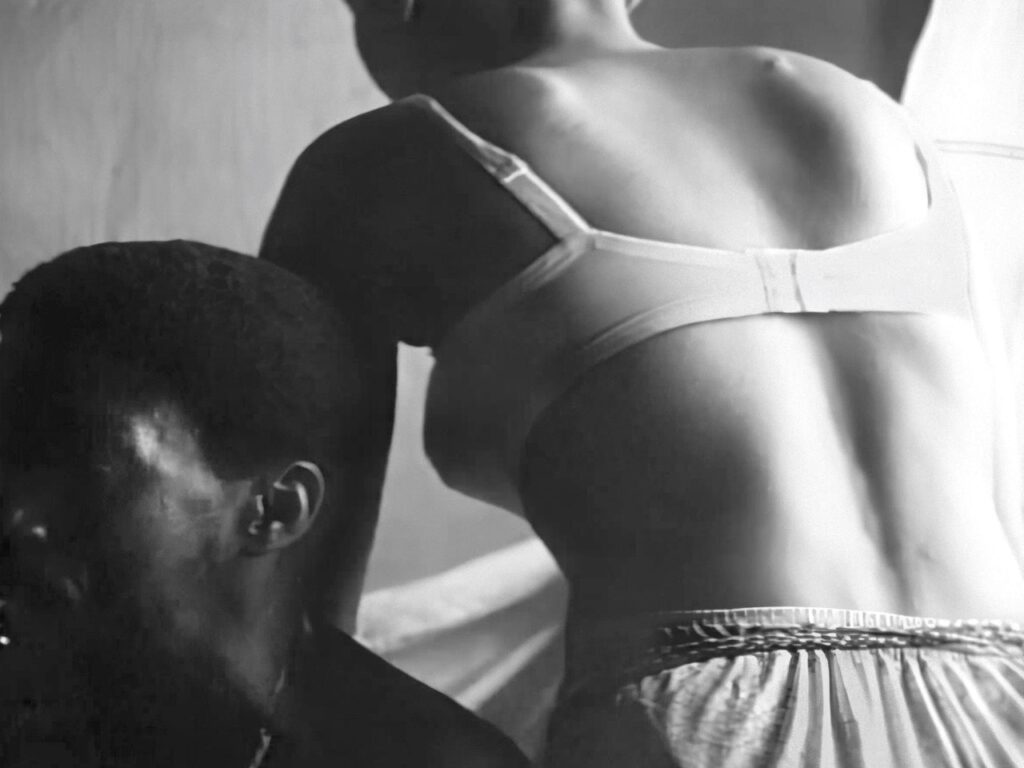
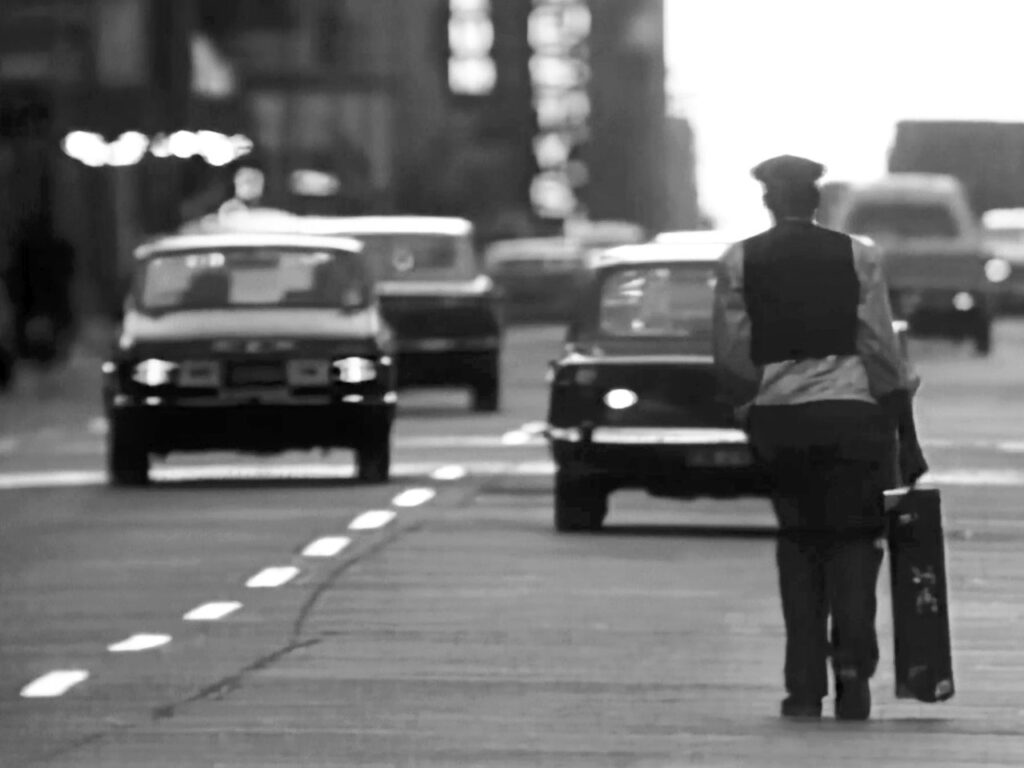
Dektor’s work is distinguished by his ability to capture human emotion and the fragile threads of human connection—childhood, adolescence, animals, fashion, love, addiction, racial identity, longing, freedom, and homelessness. Now in a more fragile stage of life, his focus has turned increasingly toward the issue of homelessness, particularly among the elderly. The publication he was working on at the time in the studio is devoted to this subject, a gigantic book with many large pages shaped through portraits and encounters with individuals he met while walking and driving through Los Angeles on a documentary project.
If You Ain’t Got It, You Ain’t is more than a book; it also became part of Joe Cocker’s Shelter Me Now music video, filmed in South Africa. The film follows the saxophonist from his suburban home through his daily commute into town, where he plays for coins on the street. In between these images, in the backdrop of apartheid South Africa, Joe Cocker performs his song. Set against the harsh realities of apartheid, the quiet but powerful relationship between Leslie and the Black saxophonist offered a rare glimpse of solidarity, an unspoken resistance to the cruelty and enforced separation of the time. As a young music lover, Leslie had already begun to question the logic of segregation. He often wondered why he had to travel so far simply to see a friend, and why they could not all live within the same shared environment. That early sense of injustice and empathy would become central to his artistic vision.
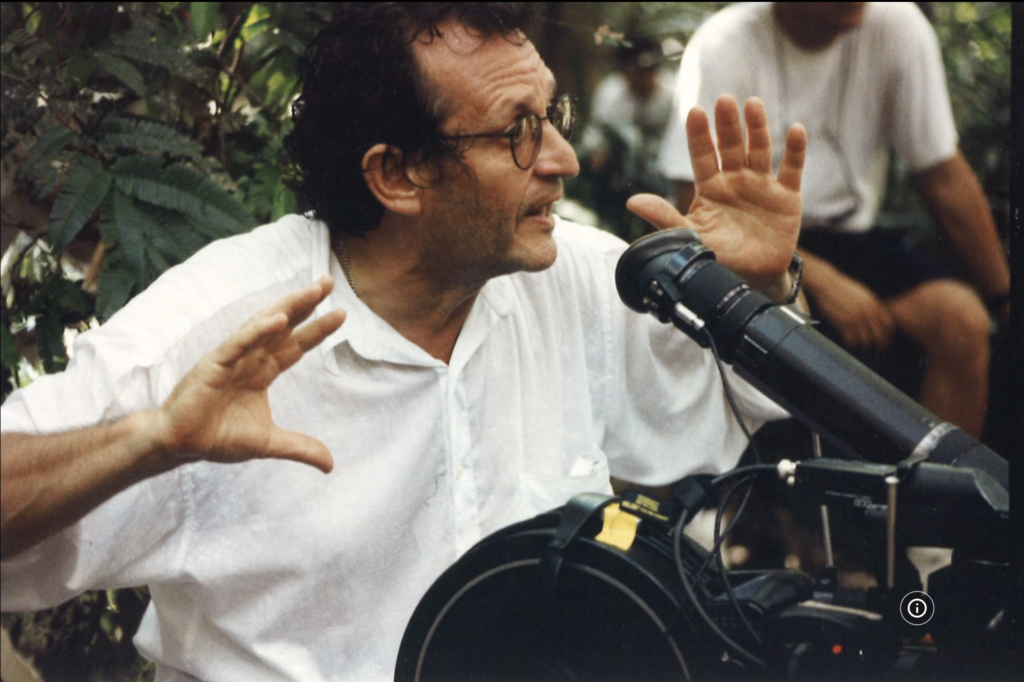
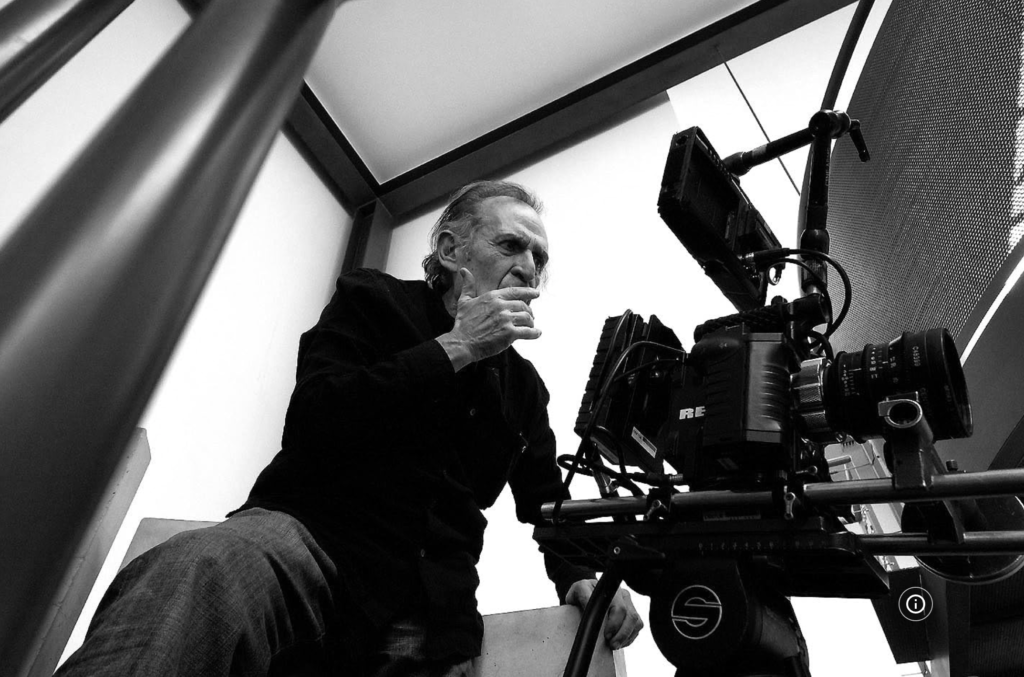
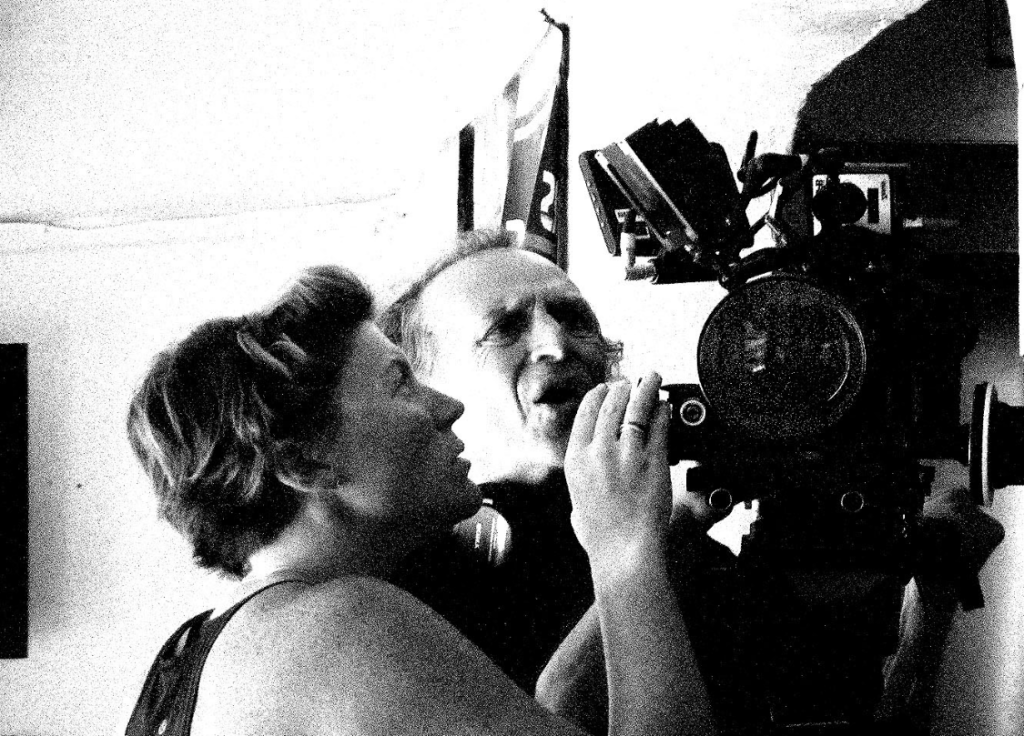
Leslie Dektor’s empathetic gaze translated seamlessly from photography into documentary filmmaking when Leslie eventually left South Africa and settled in the United States. Whether in personal films such as Elephant Music, or in later commercial work—Hope for Levi for American Express, the father-and-son story that resonated widely, and No Mountain for Verizon—his perspective remained, and his internal soft and careful gaze remained unchanged. His camera, regardless of format, has always been guided by compassion and an instinct for human truth, qualities that secure his place as one of the great documentarians in his own right. Dektor’s film career spans several decades and moves seamlessly between photography, documentary, music video, and advertising, yet throughout these different formats, his visual language has remained unmistakably original. From the early 1980s onward, he established himself as one of the most distinctive directors working in commercial filmmaking, creating work for brands such as Disney, AT&T, IBM, American Express, Mercedes-Benz, and Pepsi.
What set Dektor apart is not spectacle, but humanity. His commercials often unfolded like short documentaries that placed very ordinary people at the centre of carefully observed, emotionally grounded stories. This approach would earn him wide industry recognition and multiple nominations from the Directors Guild of America, including two wins for Outstanding Directorial Achievement in Commercials.
Dektor’s restless hands, searching camera, and street walking, developed during his commercial work, helped shape the naturalistic handheld DV aesthetic seen across television and film, where it became synonymous with immediacy and emotional realism. Rather than presenting scenes as composed tableaux, Leslie’s camera moves as if discovering the moment in real time, giving his work a sense of spontaneity and lived experience, blurring the line between observation and narrative, maintaining the same empathetic perspective that defined his still photography. Across a career that has stretched from the apartheid years in South Africa to contemporary Los Angeles, Dektor has demonstrated a rare consistency of photographic vision. Formats changed, from film stock to digital, from gallery photography to global campaigns, but his central concern never shifted: to observe people honestly, to find meaning in the ordinary, and to allow the camera to bear witness rather than impose itself. This continuity is what makes Leslie Dektor’s body of work feel less like a series of separate careers and more like a harmonious, ongoing study of the social ecology of neighbourhoods and also of human behaviour, expressed through whichever medium is available to him at the time of conception.